Discounted Products
-
 Home Garage 210 TC Cotton King Floral Fitted (Elastic) Bedsheet(Pack of 1, Grey)
Original price was: ₹999.00.₹299.00Current price is: ₹299.00.
Home Garage 210 TC Cotton King Floral Fitted (Elastic) Bedsheet(Pack of 1, Grey)
Original price was: ₹999.00.₹299.00Current price is: ₹299.00.
-
 Goodrik 140 TC Cotton Double 3D Printed Flat Bedsheet(Pack of 1, Brown)
Original price was: ₹499.00.₹229.00Current price is: ₹229.00.
Goodrik 140 TC Cotton Double 3D Printed Flat Bedsheet(Pack of 1, Brown)
Original price was: ₹499.00.₹229.00Current price is: ₹229.00.
-
 GLOBALSHOP 350 TC Microfiber Double Floral Flat Bedsheet(Pack of 1, Multicolor)
Original price was: ₹1,250.00.₹263.00Current price is: ₹263.00.
GLOBALSHOP 350 TC Microfiber Double Floral Flat Bedsheet(Pack of 1, Multicolor)
Original price was: ₹1,250.00.₹263.00Current price is: ₹263.00.
-
 RisingStar 250 TC Microfiber King Printed Fitted (Elastic) Bedsheet(Pack of 1, FITTED-ROUND-CIRCLES-PREMIUM)
Original price was: ₹2,299.00.₹299.00Current price is: ₹299.00.
RisingStar 250 TC Microfiber King Printed Fitted (Elastic) Bedsheet(Pack of 1, FITTED-ROUND-CIRCLES-PREMIUM)
Original price was: ₹2,299.00.₹299.00Current price is: ₹299.00.
-
 Home Garage 210 TC Cotton King Floral Fitted (Elastic) Bedsheet(Pack of 1, Fitted Black Green)
Original price was: ₹1,299.00.₹299.00Current price is: ₹299.00.
Home Garage 210 TC Cotton King Floral Fitted (Elastic) Bedsheet(Pack of 1, Fitted Black Green)
Original price was: ₹1,299.00.₹299.00Current price is: ₹299.00.
-
 Home Garage 180 TC Cotton King 3D Printed Flat Bedsheet(Pack of 1, White)
Original price was: ₹999.00.₹229.00Current price is: ₹229.00.
Home Garage 180 TC Cotton King 3D Printed Flat Bedsheet(Pack of 1, White)
Original price was: ₹999.00.₹229.00Current price is: ₹229.00.
-
 Panipat Textile Hub 152.4 cm (5 ft) Polyester Window Curtain (Pack Of 2)(Solid, Aqua)
Original price was: ₹1,899.00.₹299.00Current price is: ₹299.00.
Panipat Textile Hub 152.4 cm (5 ft) Polyester Window Curtain (Pack Of 2)(Solid, Aqua)
Original price was: ₹1,899.00.₹299.00Current price is: ₹299.00.
-
 Home Sizzler 214 cm (7 ft) Polyester Semi Transparent Door Curtain (Pack Of 2)(Floral, Maroon)
Original price was: ₹1,199.00.₹399.00Current price is: ₹399.00.
Home Sizzler 214 cm (7 ft) Polyester Semi Transparent Door Curtain (Pack Of 2)(Floral, Maroon)
Original price was: ₹1,199.00.₹399.00Current price is: ₹399.00.
-
 Home Sizzler 153 cm (5 ft) Polyester Room Darkening Window Curtain (Pack Of 2)(Floral, Brown)
Original price was: ₹799.00.₹299.00Current price is: ₹299.00.
Home Sizzler 153 cm (5 ft) Polyester Room Darkening Window Curtain (Pack Of 2)(Floral, Brown)
Original price was: ₹799.00.₹299.00Current price is: ₹299.00.
-
 Stella Creations 214 cm (7 ft) Polyester Room Darkening Door Curtain (Pack Of 2)(Abstract, Brown)
Original price was: ₹1,299.00.₹449.00Current price is: ₹449.00.
Stella Creations 214 cm (7 ft) Polyester Room Darkening Door Curtain (Pack Of 2)(Abstract, Brown)
Original price was: ₹1,299.00.₹449.00Current price is: ₹449.00.
-
 Homefab India 152.5 cm (5 ft) Polyester Room Darkening Window Curtain (Pack Of 2)(Floral, Light Blue)
Original price was: ₹1,199.00.₹319.00Current price is: ₹319.00.
Homefab India 152.5 cm (5 ft) Polyester Room Darkening Window Curtain (Pack Of 2)(Floral, Light Blue)
Original price was: ₹1,199.00.₹319.00Current price is: ₹319.00.
-
 Urban Home 214 cm (7 ft) PVC Transparent Door Curtain Single Curtain(Solid, Off White)
Original price was: ₹699.00.₹203.00Current price is: ₹203.00.
Urban Home 214 cm (7 ft) PVC Transparent Door Curtain Single Curtain(Solid, Off White)
Original price was: ₹699.00.₹203.00Current price is: ₹203.00.
-
 Panipat Textile Hub 213 cm (7 ft) Polyester Door Curtain (Pack Of 2)(Solid, Brown)
Original price was: ₹1,199.00.₹349.00Current price is: ₹349.00.
Panipat Textile Hub 213 cm (7 ft) Polyester Door Curtain (Pack Of 2)(Solid, Brown)
Original price was: ₹1,199.00.₹349.00Current price is: ₹349.00.
-
 Home Sizzler 214 cm (7 ft) Polyester Semi Transparent Door Curtain (Pack Of 2)(Floral, Brown)
Original price was: ₹999.00.₹349.00Current price is: ₹349.00.
Home Sizzler 214 cm (7 ft) Polyester Semi Transparent Door Curtain (Pack Of 2)(Floral, Brown)
Original price was: ₹999.00.₹349.00Current price is: ₹349.00.
-
 Panipat Textile Hub 213 cm (7 ft) Polyester Semi Transparent Door Curtain (Pack Of 2)(Floral, Brown)
Original price was: ₹899.00.₹299.00Current price is: ₹299.00.
Panipat Textile Hub 213 cm (7 ft) Polyester Semi Transparent Door Curtain (Pack Of 2)(Floral, Brown)
Original price was: ₹899.00.₹299.00Current price is: ₹299.00.
I was frustrated when my Windows 11 computer suddenly started running extremely slowly, with the disk activity light constantly blinking and my hard drive making continuous grinding sounds. When I opened Task Manager to investigate, I discovered my disk usage was consistently at 100%, which explained the sluggish performance—my storage system was completely overwhelmed processing an unknown volume of data. What surprised me most was discovering that high disk usage has numerous potential causes ranging from Windows Update processes to malware to failing hard drives, and identifying the correct cause is essential for implementing the right solution. Simply hoping the problem resolves itself isn’t an option when disk usage is maxed out, because this condition prevents your computer from functioning normally, making even simple tasks like opening applications frustratingly slow.
After systematically investigating my disk usage problem and researching common causes, I learned that most high disk usage issues are diagnosable and fixable through methodical troubleshooting. Understanding how to identify which process is consuming disk resources, understanding what that process does, and knowing how to address its excessive usage transformed my computer from nearly unusable back to functional. What shocked me most was discovering that some of the culprits—like Windows Update running in the background or antivirus scanning—are normal system processes that become problematic only when they run excessively. Rather than blindly disabling system services hoping to solve the problem, proper diagnosis reveals the actual cause and enables targeted solutions. In this comprehensive guide, I’ll walk you through identifying what’s causing your high disk usage, explain why various processes consume excessive disk resources, and provide specific solutions for each common cause.
1. Understanding Disk Usage: Why It Matters and What Constitutes “High” Usage
Disk usage refers to the amount of data your storage drive is actively reading and writing at any moment. Unlike CPU or memory usage which can fluctuate rapidly, disk usage represents actual I/O operations—your storage device physically reading or writing data. When disk usage is low (under 10%), your storage system can easily handle requests and your computer feels responsive. However, when disk usage approaches 100%, your storage device becomes a bottleneck—every request queues up waiting for previous operations to complete, causing your entire computer to slow dramatically.
Understanding that disk usage differs fundamentally from CPU or memory usage helps explain why high disk usage causes different symptoms than high CPU or memory usage. When your CPU is maxed out, some applications might freeze or respond slowly, but basic operations like moving your mouse continue smoothly. However, when your disk is maxed out at 100%, even basic operations like opening the Start Menu or typing in applications stutter and freeze because these operations require reading from or writing to your disk. This makes high disk usage particularly frustrating—it affects everything your computer does rather than just specific applications.
Additionally, sustained high disk usage (constant 100% for hours) indicates a serious problem requiring investigation. Occasional disk spikes during updates or scans are normal, but if your disk remains maxed out most of the time, something is consuming excessive resources and needs addressing. Identifying whether disk usage is truly constant or just seems constant helps determine the severity of the problem and urgency of fixes needed.
2. Identifying Disk-Heavy Processes Using Task Manager
The first troubleshooting step is identifying which processes are consuming disk resources. Task Manager displays real-time disk usage by process, helping you pinpoint culprits. Open Task Manager by pressing Ctrl+Shift+Esc or right-clicking the taskbar and selecting “Task Manager.” Click the “Processes” tab and look for the “Disk” column showing disk usage by process. By default, processes might be sorted by CPU usage; click the “Disk” column header to sort by disk usage, showing highest disk consumers at the top.
Review the list identifying which processes consume the most disk. Some disk consumption is normal—Windows occasionally reads and writes files, applications load data from disk, and temporary processing consumes disk resources. However, if a single process shows sustained disk usage of 50MB/s or higher, that’s excessive and requires investigation. Look for unexpected processes consuming disk—if you see unknown applications, system processes you don’t recognize, or multiple instances of the same process, these might indicate problems.
Common disk-heavy processes include System processes (normal Windows operations), SearchIndexer (Windows Search indexing), WindowsUpdate (Windows Update processing), Antivirus processes (antivirus scanning), and application-specific processes. Understanding which processes are normal and which are suspicious helps you determine whether the disk usage is expected or problematic. Document which processes are consuming disk, then investigate each individually to determine whether the usage is appropriate or requires intervention.
3. Cause 1: Windows Update Consuming Excessive Disk Resources
Windows Update is the most common cause of high disk usage in Windows 11. When updates become available, Windows automatically downloads them and prepares them for installation, consuming significant disk bandwidth in the process. This is normal behavior, but sometimes Windows Update gets stuck, repeatedly attempting to download and install the same updates, causing constant high disk usage. Additionally, Windows Update cleanup processes sometimes run excessively, consuming disk resources organizing update files.
If Task Manager shows “Windows Update” or “svchost.exe” (which hosts Windows Update services) consuming significant disk, Windows Update is likely the culprit. Check your update status by opening Settings > System > Windows Update > Update history. If you see recent updates, they probably triggered the high disk usage. If multiple failed updates appear, that might explain why Update is repeatedly retrying and consuming disk.
To resolve Windows Update disk issues, allow updates to complete if they’re actively installing. Go to Settings > System > Windows Update and check update status. If updates are pending, allow them to finish—Windows Update typically completes within hours. If updates are stuck, restart your computer to clear the queue. Additionally, you can manually trigger update cleanup through Settings > System > Storage > Temporary files > Temporary Windows installation files. Checking that option and deleting temporary files removes update debris consuming disk space.
If Windows Update continues consuming disk after updates complete, consider temporarily pausing updates (Settings > System > Windows Update > Pause updates for 7 days) to determine whether disabling updates resolves the disk usage. If disabling updates stops high disk usage, re-enable updates and allow them to complete properly. However, disabling updates long-term compromises security—only use pausing as temporary troubleshooting.
4. Cause 2: Windows Search Indexing Consuming Excessive Disk
Windows Search automatically indexes your files, building a searchable database enabling quick file searches through the Start Menu search box and File Explorer. Indexing is valuable for search functionality, but the indexing process itself consumes significant disk resources, particularly when Windows first indexes your entire drive or reindexes after changes. If Task Manager shows “SearchIndexer.exe” consuming high disk usage, Windows Search indexing is the culprit.
Initial indexing after Windows installation or after adding large amounts of files consumes disk heavily for hours or days while Windows builds its index database. This is normal. However, if indexing continues consuming disk excessively weeks after installation, something might be misconfigured. Additionally, external drives or network shares included in search indexing cause constant disk usage as Windows repeatedly attempts indexing those locations.
To address excessive Windows Search disk usage, you can either disable Search indexing entirely or configure what gets indexed. Open Settings > Search > Searching Windows and disable “Improve search results by using indexing” to stop indexing entirely. However, this makes searches slower because Windows must scan your drive manually each time you search. Alternatively, access indexing settings through Settings > System > Storage > Advanced storage options > Files restored from a previous version, or search for “Indexing Options” to configure what gets indexed—remove external drives or network locations from indexing if they’re causing excessive disk usage.
For most users, allowing indexing to complete (usually 24-48 hours) resolves the high disk usage. Restart your computer to resume indexing cleanly if it seems stuck. Alternatively, disable indexing temporarily while troubleshooting other disk usage causes, then re-enable once you’ve identified the actual problem.
5. Cause 3: Antivirus Software Performing Scans or Real-Time Scanning
Antivirus software performs critical security scanning, but this scanning consumes significant disk resources by reading every file on your drive. If Task Manager shows your antivirus application (Windows Defender, Norton, McAfee, etc.) consuming high disk usage, antivirus scanning is occurring. Sometimes antivirus software schedules automatic scans at specific times—a full system scan can take 1-3 hours and consume disk heavily throughout that period.
Check your antivirus application to see if a scan is currently running. Open Windows Security (Settings > Privacy & Security > Windows Defender) or your third-party antivirus application, and check the status. If a scan is running, you can either wait for it to complete (typically several hours) or temporarily pause the scan. However, unfinished scans don’t fully complete—manually stopping a scan leaves it unfinished. It’s better to allow scans to complete rather than repeatedly interrupting them.
To prevent unexpected antivirus scans, configure scan schedules through your antivirus settings. Schedule scans during times you won’t be using your computer—late night, early morning, or when you’re away. Additionally, disable real-time file scanning if your antivirus has that option (though this reduces protection), or ensure real-time scanning is configured to use minimal resources through resource throttling settings. Most antivirus software provides options limiting how much disk bandwidth scanning consumes.
Additionally, if you have multiple antivirus applications installed, this causes excessive disk usage because both scan simultaneously. Ensure only one antivirus application is active—disable or uninstall third-party antivirus if relying on Windows Defender. Multiple antivirus applications create conflicts and excessive resource consumption rather than better protection.
6. Cause 4: Disk Fragmentation and Storage System Problems
Older hard drives (not SSDs) become fragmented over time as files are deleted and rewritten to different physical locations on the disk. This fragmentation forces the disk head to move excessively, consuming disk bandwidth inefficiently and causing high disk usage for mundane operations. Modern SSDs don’t fragment, but both types of storage can develop problems like bad sectors requiring repeated retry attempts, causing excessive disk usage.
Check your disk health through Settings > System > Storage > Disk health. If your drive shows warning conditions, disk problems might exist. Additionally, run the Disk Check utility (chkdsk) to scan for and repair disk errors. Open Command Prompt as Administrator (right-click Start > Windows Terminal (Admin)) and type: “chkdsk C: /F /R” to scan drive C for errors and repair them. The scan requires restarting your computer and might take several hours depending on disk size.
For traditional hard drives, defragmentation improves disk efficiency. Open Settings > System > Storage > Optimize drives, select your drive, and click Optimize. Defragmentation reorganizes fragmented files into contiguous locations, reducing disk head movement and improving performance. However, SSDs don’t need defragmentation and don’t benefit from it—running defragmentation on SSDs unnecessarily consumes resources. Check your drive type before running defragmentation.
If disk problems are severe, disk replacement might be necessary. If chkdsk finds numerous uncorrectable errors or if your disk repeatedly shows problems, the drive might be failing. Back up critical data to external storage and consider professional drive replacement.
7. Cause 5: Malware and Unwanted Programs Consuming Disk
Malware sometimes consumes excessive disk resources as it performs background activities—communicating with command servers, mining cryptocurrency, or processing stolen data. If Task Manager shows unknown processes consuming high disk, or if you notice disk usage spikes at specific times coinciding with nothing you’re doing, malware might be responsible.
Run comprehensive antivirus scans to detect and remove malware. Additionally, use specialized malware removal tools like Malwarebytes (malwarebytes.com) which catch threats sometimes missed by standard antivirus. Download Malwarebytes, run comprehensive scans, and remove detected threats. After scanning, restart your computer and verify whether disk usage normalizes.
Additionally, review Windows Task Scheduler for suspicious scheduled tasks. Press Windows Key + R, type “taskschd.msc,” and press Enter to open Task Scheduler. Review scheduled tasks for anything suspicious or unfamiliar. Look particularly in Task Scheduler > Microsoft > Windows for unexpected tasks. Legitimate Windows tasks are acceptable, but if you see unfamiliar scheduled tasks consuming resources, disable them (right-click > Disable).
If malware detection removes significant threats, your disk usage should improve. However, sophisticated malware sometimes requires professional removal. If disk usage persists despite malware cleaning, professional malware removal services might be necessary.
8. Cause 6: Background Application Sync and File Operations
Applications sometimes perform background operations consuming disk resources—cloud storage applications syncing files (OneDrive, Google Drive, Dropbox), backup software creating backups, or system utilities optimizing your drive. These operations are necessary but can consume excessive disk when they accumulate or encounter problems.
Check which applications are running in the background and what they’re doing. Open Settings > Accounts > Sign-in options > Privacy & security > Background app permissions. Disable background activity for applications you don’t need to run in background—this reduces disk consumption from unnecessary background processes.
Additionally, configure cloud storage application sync. OneDrive, Google Drive, and Dropbox can be configured to sync only specific folders and only during certain times. Open their settings and disable automatic syncing of large folders if they’re consuming excessive disk. Alternatively, pause syncing temporarily to determine whether a sync application is responsible for high disk usage.
Furthermore, review backup software settings. If you have Acronis, Macrium Reflect, or similar backup software installed, check whether scheduled backups are running. Backups consume significant disk resources but typically complete within hours. Allow them to finish, or reschedule them to times you don’t need your computer.
9. Method: Monitoring Disk Usage Over Time to Identify Patterns
After troubleshooting, establish monitoring to detect whether disk usage problems recur or follow patterns. Open Resource Monitor (right-click Start > Windows Terminal (Admin), then type “perfmon /res”) to view detailed disk usage metrics over time. Resource Monitor displays disk usage graphs helping you identify whether usage is constant or spikes at specific times.
Additionally, enable disk usage notifications through Settings. Some third-party utilities provide alerts when disk usage exceeds thresholds, notifying you immediately when problems develop. This helps identify emerging issues before they become severe.
Furthermore, establish periodic disk usage reviews. Check Task Manager occasionally identifying which processes consume disk and whether usage is normal. Document findings to identify trends. If specific applications consistently consume high disk, investigate whether they can be uninstalled or configured to reduce consumption.
10. Best Practices for Maintaining Healthy Disk Performance
Preventing high disk usage problems is preferable to troubleshooting them. Maintain adequate free disk space—Windows functions best with at least 10-15% free space. If your disk is nearly full, delete unnecessary files through Settings > System > Storage > Temporary files. Additionally, regularly uninstall applications you no longer use through Settings > Apps > Installed apps.
Furthermore, configure maintenance tasks to run during low-usage times. Schedule Windows Update, antivirus scans, and disk optimization for late night or early morning when you’re unlikely to be using your computer. This prevents these necessary operations from interfering with your work.
Additionally, monitor disk health periodically. Check Settings > System > Storage > Disk health monthly to catch developing problems early. Address warnings immediately rather than letting them worsen. Finally, maintain regular backups of critical files external to your computer. If disk problems become severe, external backups ensure your data remains safe even if disk replacement becomes necessary.
Disclaimer
This article provides guidance on identifying and resolving high disk usage issues in Windows 11. The information is intended for educational purposes to help users diagnose and fix storage performance problems. Specific causes, solutions, and outcomes may vary depending on your system configuration, installed applications, and individual circumstances.
Important Disclaimers:
- High disk usage can result from numerous causes; systematic troubleshooting is necessary to identify the correct cause
- Some high disk usage is normal (Windows Update, antivirus scans, indexing); distinguishing normal from problematic usage requires understanding system processes
- Disabling system services or processes can cause instability; only disable processes you’re confident are non-essential
- Disk problems can indicate hardware failure; professional diagnosis might be necessary for failing drives
- Malware detection and removal varies in effectiveness; persistent disk usage despite cleaning might indicate sophisticated malware
- Different disk types (HDD vs SSD) require different approaches; defragmentation is appropriate for hard drives but not SSDs
- Some disk usage causes require accepting temporary inconvenience (allowing updates to complete, antivirus scans to finish) rather than attempting immediate resolution
Disk Space Management:
- Maintaining 10-15% free disk space ensures optimal performance
- Running with very full disks (over 90% capacity) causes performance degradation
- Temporary file cleanup helps maintain free space without deleting important files
- Uninstalling unused applications frees space and reduces background process consumption
- Cloud storage alternatives can offload rarely-accessed files from local storage
Windows Update and Maintenance:
- Windows Update is a normal, necessary process; high disk usage during updates is expected
- Allowing updates to complete rather than interrupting them prevents repeated retry attempts
- Scheduling updates during off-hours prevents disruption to your work
- Pausing updates is temporary troubleshooting; don’t permanently disable updates as this compromises security
- Update cleanup processes should complete within hours; ongoing update-related disk usage indicates problems
Antivirus and Security:
- Antivirus scanning is necessary for security; high disk usage during scans is expected
- Scheduling scans during non-work hours prevents performance impact
- Multiple antivirus applications cause conflicts; ensure only one antivirus is active
- Disabling real-time scanning reduces protection; only do this during troubleshooting
- Antivirus disk usage typically normalizes after scans complete
Indexing and Search:
- Windows Search indexing is normal; high disk usage during indexing is expected
- Initial indexing or reindexing can take 24-48 hours
- Excessive indexing of network drives or external storage can be disabled
- Disabling indexing reduces search speed; only disable if benefits outweigh search performance loss
- Restarting indexing cleanly through reboot sometimes resolves stuck indexing
Hardware and Drive Health:
- Disk fragmentation primarily affects traditional hard drives, not SSDs
- Defragmentation improves hard drive performance but shouldn’t be used on SSDs
- Drive errors detected by chkdsk should be repaired promptly
- Failing drives show increasing error counts; replacement should be planned
- Physical drive problems might require professional data recovery if drive fails
Malware and Security:
- Malware can cause high disk usage through various operations
- Multiple malware scanning tools provide better detection than single scanner
- Malware removal should complete in hours; persistent infections might require professional removal
- Disabling real-time protection temporarily during troubleshooting creates security risks
- Verify malware removal is complete before declaring the problem solved
Background Applications:
- Cloud storage sync is normal but can be configured to reduce resource consumption
- Backup software disk usage is normal during backup operations
- Multiple background syncing applications can create excessive combined disk usage
- Disabling background sync for non-essential applications reduces disk consumption
- Scheduling background operations during off-hours prevents work disruption
Performance Impact:
- High disk usage causes system-wide sluggishness affecting all operations
- SSD-based systems generally have higher disk performance than HDD-based systems
- Performance improvement after resolving disk usage issues is typically noticeable immediately
- Some performance improvements require restarting for configuration changes to take effect
- Baseline performance varies; improvements are relative to your specific system
Monitoring and Troubleshooting:
- Task Manager Disk tab provides real-time usage monitoring
- Resource Monitor shows historical disk usage patterns
- Identifying which process consumes disk is the first troubleshooting step
- Pattern recognition (high usage at specific times) helps identify scheduled processes
- Documentation helps identify recurring problems or trends
When Professional Help Is Needed:
- If disk errors persist despite chkdsk repairs, professional drive diagnostics are appropriate
- Failing drives should be replaced by professionals maintaining data safety
- Sophisticated malware might require professional removal services
- Severe system problems resulting from troubleshooting might require professional system recovery
- For work computers, IT departments should handle troubleshooting
Liability:
We are not responsible for any data loss, system problems, disk failures, or other consequences resulting from troubleshooting high disk usage as described in this article. Users assume full responsibility for understanding issues before attempting fixes and for maintaining backups of critical data. Most disk usage problems are safely resolvable through troubleshooting, but some situations (hardware failure, severe malware) might require professional intervention. If you’re uncomfortable with troubleshooting or if problems persist despite multiple attempts, consult professional IT support rather than continuing risky troubleshooting.
About the Author
Jessica Miller is a marketing manager and computer user who believes slow, unresponsive computers caused by high disk usage are frustrating and unnecessary. With expertise in Windows system diagnostics, disk performance troubleshooting, and practical solutions for storage problems, she helps busy professionals identify and resolve disk performance issues independently. When she’s not writing comprehensive tech guides or managing her marketing team, she’s monitoring her own system performance, testing troubleshooting techniques, and helping friends restore their computers to healthy operation.

- How to Fix “Unable to Initialize Windows App SDK” Error in Windows 11

- How to Fix “Try Again Later – Something Happened on Our End” Error in Microsoft Store

- What Are iPhone Background Sounds? Their Uses and How to Enable Them

- How to Run a Safety Check in Google Chrome and Protect Your Browser

- Samsung Phone’s Keyboard Not Working? Here’s How to Fix It

Products
-
![Apple Watch Ultra 3 [GPS + Cellular 49mm] Running & Multisport Smartwatch w/Rugged Titanium Case w/Black Titanium Milanese Loop - M. Satellite Communications, Advanced Health & Fitness Tracking](https://bazaronweb.com/retailstores/wp-content/uploads/2025/09/apple-watch-320x320.jpg) Apple Watch Ultra 3 [GPS + Cellular 49mm] Running & Multisport Smartwatch w/Rugged Titanium Case w/Black Titanium Milanese Loop - M. Satellite Communications, Advanced Health & Fitness Tracking
Apple Watch Ultra 3 [GPS + Cellular 49mm] Running & Multisport Smartwatch w/Rugged Titanium Case w/Black Titanium Milanese Loop - M. Satellite Communications, Advanced Health & Fitness Tracking
-
 Apple iPad mini (A17 Pro): Apple Intelligence, 8.3-inch Liquid Retina Display, 256GB, Wi-Fi 6E, 12MP Front/12MP Back Camera, Touch ID, All-Day Battery Life — Purple
-
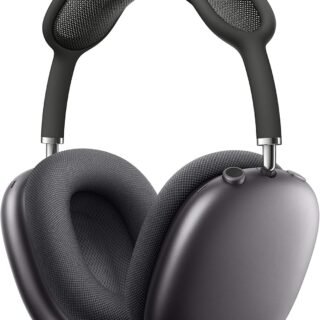 Apple AirPods Max Wireless Over-Ear Headphones, Active Noise Cancelling, Transparency Mode, Personalized Spatial Audio, Dolby Atmos, Bluetooth Headphones for iPhone – Space Gray
-
 Apple AirPods Pro 2 Wireless Earbuds, Active Noise Cancellation, Hearing Aid Feature, Bluetooth Headphones, Transparency, Personalized Spatial Audio, High-Fidelity Sound, H2 Chip, USB-C Charging
-
Home Garage 210 TC Cotton King Floral Fitted (Elastic) Bedsheet(Pack of 1, Grey)
Original price was: ₹999.00.₹299.00Current price is: ₹299.00.
Leave a Reply