Discounted Products
-
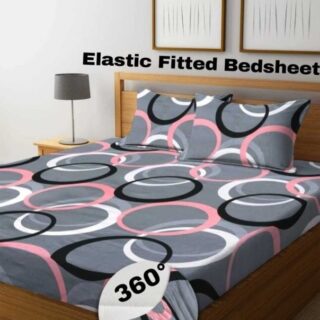 Home Garage 210 TC Cotton King Floral Fitted (Elastic) Bedsheet(Pack of 1, Grey)
Original price was: ₹999.00.₹299.00Current price is: ₹299.00.
Home Garage 210 TC Cotton King Floral Fitted (Elastic) Bedsheet(Pack of 1, Grey)
Original price was: ₹999.00.₹299.00Current price is: ₹299.00.
-
 Goodrik 140 TC Cotton Double 3D Printed Flat Bedsheet(Pack of 1, Brown)
Original price was: ₹499.00.₹229.00Current price is: ₹229.00.
Goodrik 140 TC Cotton Double 3D Printed Flat Bedsheet(Pack of 1, Brown)
Original price was: ₹499.00.₹229.00Current price is: ₹229.00.
-
 GLOBALSHOP 350 TC Microfiber Double Floral Flat Bedsheet(Pack of 1, Multicolor)
Original price was: ₹1,250.00.₹263.00Current price is: ₹263.00.
GLOBALSHOP 350 TC Microfiber Double Floral Flat Bedsheet(Pack of 1, Multicolor)
Original price was: ₹1,250.00.₹263.00Current price is: ₹263.00.
-
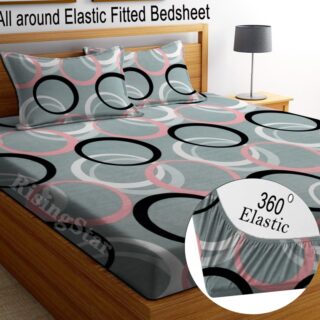 RisingStar 250 TC Microfiber King Printed Fitted (Elastic) Bedsheet(Pack of 1, FITTED-ROUND-CIRCLES-PREMIUM)
Original price was: ₹2,299.00.₹299.00Current price is: ₹299.00.
RisingStar 250 TC Microfiber King Printed Fitted (Elastic) Bedsheet(Pack of 1, FITTED-ROUND-CIRCLES-PREMIUM)
Original price was: ₹2,299.00.₹299.00Current price is: ₹299.00.
-
 Home Garage 210 TC Cotton King Floral Fitted (Elastic) Bedsheet(Pack of 1, Fitted Black Green)
Original price was: ₹1,299.00.₹299.00Current price is: ₹299.00.
Home Garage 210 TC Cotton King Floral Fitted (Elastic) Bedsheet(Pack of 1, Fitted Black Green)
Original price was: ₹1,299.00.₹299.00Current price is: ₹299.00.
-
 Home Garage 180 TC Cotton King 3D Printed Flat Bedsheet(Pack of 1, White)
Original price was: ₹999.00.₹229.00Current price is: ₹229.00.
Home Garage 180 TC Cotton King 3D Printed Flat Bedsheet(Pack of 1, White)
Original price was: ₹999.00.₹229.00Current price is: ₹229.00.
-
 Panipat Textile Hub 152.4 cm (5 ft) Polyester Window Curtain (Pack Of 2)(Solid, Aqua)
Original price was: ₹1,899.00.₹299.00Current price is: ₹299.00.
Panipat Textile Hub 152.4 cm (5 ft) Polyester Window Curtain (Pack Of 2)(Solid, Aqua)
Original price was: ₹1,899.00.₹299.00Current price is: ₹299.00.
-
 Home Sizzler 214 cm (7 ft) Polyester Semi Transparent Door Curtain (Pack Of 2)(Floral, Maroon)
Original price was: ₹1,199.00.₹399.00Current price is: ₹399.00.
Home Sizzler 214 cm (7 ft) Polyester Semi Transparent Door Curtain (Pack Of 2)(Floral, Maroon)
Original price was: ₹1,199.00.₹399.00Current price is: ₹399.00.
-
 Home Sizzler 153 cm (5 ft) Polyester Room Darkening Window Curtain (Pack Of 2)(Floral, Brown)
Original price was: ₹799.00.₹299.00Current price is: ₹299.00.
Home Sizzler 153 cm (5 ft) Polyester Room Darkening Window Curtain (Pack Of 2)(Floral, Brown)
Original price was: ₹799.00.₹299.00Current price is: ₹299.00.
-
 Stella Creations 214 cm (7 ft) Polyester Room Darkening Door Curtain (Pack Of 2)(Abstract, Brown)
Original price was: ₹1,299.00.₹449.00Current price is: ₹449.00.
Stella Creations 214 cm (7 ft) Polyester Room Darkening Door Curtain (Pack Of 2)(Abstract, Brown)
Original price was: ₹1,299.00.₹449.00Current price is: ₹449.00.
-
 Homefab India 152.5 cm (5 ft) Polyester Room Darkening Window Curtain (Pack Of 2)(Floral, Light Blue)
Original price was: ₹1,199.00.₹319.00Current price is: ₹319.00.
Homefab India 152.5 cm (5 ft) Polyester Room Darkening Window Curtain (Pack Of 2)(Floral, Light Blue)
Original price was: ₹1,199.00.₹319.00Current price is: ₹319.00.
-
 Urban Home 214 cm (7 ft) PVC Transparent Door Curtain Single Curtain(Solid, Off White)
Original price was: ₹699.00.₹203.00Current price is: ₹203.00.
Urban Home 214 cm (7 ft) PVC Transparent Door Curtain Single Curtain(Solid, Off White)
Original price was: ₹699.00.₹203.00Current price is: ₹203.00.
-
 Panipat Textile Hub 213 cm (7 ft) Polyester Door Curtain (Pack Of 2)(Solid, Brown)
Original price was: ₹1,199.00.₹349.00Current price is: ₹349.00.
Panipat Textile Hub 213 cm (7 ft) Polyester Door Curtain (Pack Of 2)(Solid, Brown)
Original price was: ₹1,199.00.₹349.00Current price is: ₹349.00.
-
 Home Sizzler 214 cm (7 ft) Polyester Semi Transparent Door Curtain (Pack Of 2)(Floral, Brown)
Original price was: ₹999.00.₹349.00Current price is: ₹349.00.
Home Sizzler 214 cm (7 ft) Polyester Semi Transparent Door Curtain (Pack Of 2)(Floral, Brown)
Original price was: ₹999.00.₹349.00Current price is: ₹349.00.
-
 Panipat Textile Hub 213 cm (7 ft) Polyester Semi Transparent Door Curtain (Pack Of 2)(Floral, Brown)
Original price was: ₹899.00.₹299.00Current price is: ₹299.00.
Panipat Textile Hub 213 cm (7 ft) Polyester Semi Transparent Door Curtain (Pack Of 2)(Floral, Brown)
Original price was: ₹899.00.₹299.00Current price is: ₹299.00.

I was shocked when I discovered that my browser cache and cookies had accumulated over 2 gigabytes of data on my Windows 11 computer. What surprised me even more was discovering that clearing this accumulated data noticeably improved browser performance and freed up significant storage space. As someone who browses extensively for work research and personal interests, I’d never given much thought to the temporary files my browser was storing. After learning about cache and cookies, understanding what they do, and discovering how clearing them benefits both performance and privacy, I completely changed my approach to browser maintenance. Regular cache and cookie clearing became part of my digital hygiene routine, similar to clearing my desk at the end of each workday.
What frustrated me most was realizing that browsers make cache clearing frustratingly difficult to discover—it’s hidden several menus deep, and most users never learn it exists. Additionally, I discovered that many users don’t understand the difference between cache and cookies, don’t know what they do, or don’t realize how much data browsers accumulate over weeks and months of use. Understanding these browser components and learning to clear them efficiently transformed my browsing experience from slow and storage-constrained to fast and optimized. In this comprehensive guide, I’ll explain what browser cache and cookies actually are, why they accumulate, what benefits clearing them provides, and exactly how to clear them in every major browser on Windows 11. I’ll also discuss when you might want to keep cookies versus clearing them, and how to balance convenience with privacy.
1. Understanding Browser Cache and Cookies: What They Are and Why Browsers Store Them
Browser cache and cookies are two different browser components that serve different purposes but are often confused because they’re frequently cleared together. Cache consists of temporary files—images, CSS files, JavaScript code, and other website resources—that browsers download and store locally on your computer. When you visit a website, the browser downloads all the resources needed to display that website. Rather than re-downloading these identical files every time you revisit a website, the browser stores them locally in cache. When you revisit the website, the browser loads the cached files from your local storage instead of downloading them again, making websites load significantly faster.
Cookies are small text files websites store on your computer containing information about you and your browsing—login credentials, preferences, tracking data, shopping cart contents, and other data websites want to remember about your visits. When you revisit a website that previously stored cookies, the browser sends those cookies back to the website, allowing the site to remember you and provide customized experiences. Cookies enable websites to remember login information so you don’t have to enter credentials repeatedly. They store shopping preferences, language settings, and other customizations. Cookies are also used for tracking—advertisers and analytics companies use cookies to track your browsing across websites, building profiles about your interests for targeted advertising.
Understanding these purposes helps explain why browsers store these files. Cache improves performance by reducing downloads. Cookies improve convenience by remembering preferences and login information. However, both accumulate over time, consuming storage space, and cookies raise privacy concerns because they enable tracking. Regular clearing of cache and cookies addresses these concerns while maintaining the benefits when appropriate.
2. Why Browser Cache and Cookies Accumulate: Storage Impact and Performance Effects
Browser cache and cookies accumulate silently as you browse, building up gigabytes of data over weeks and months without your noticing. Every website you visit adds cached files to your cache folder. Many websites store multiple cookies—often dozens per site—tracking various aspects of your behavior. The accumulation is insidious because it happens invisibly in the background. Users frequently discover enormous cache sizes only when they check their browser settings or notice their storage is nearly full.
This accumulation has tangible effects on your system. Cache files consume storage space—on systems with limited free storage, this reduces available space for your own files and documents. Additionally, extremely large cache folders sometimes slow down your browser because it must search through thousands of cached files when looking for specific ones. Cookies accumulate memory overhead as browsers load them with each website visit. Furthermore, the privacy implications are significant—websites store dozens of tracking cookies monitoring your behavior across multiple sites, building detailed profiles used for targeted advertising and data selling. Your browsing history becomes measurable through the cookies stored on your computer.
Understanding the consequences of accumulation helps explain why regular clearing is valuable. Clearing cache frees storage space and potentially improves browser performance. Clearing cookies removes tracking data and forces websites to stop remembering certain information, enhancing privacy. Regular clearing—perhaps monthly or quarterly—prevents accumulation from reaching problematic levels. For users who browse extensively, more frequent clearing might be appropriate.
3. Benefits of Clearing Cache and Cookies: Performance, Privacy, and Storage Improvements
Clearing browser cache and cookies provides multiple benefits making the effort worthwhile. Performance improvement is noticeable—removing gigabytes of cached files reduces the bloat browsers accumulate, potentially making browsing faster. While some claim that having cached files makes websites load faster (which is technically true for frequently visited sites), the overall performance degradation from searching through enormous cache folders often outweighs this benefit. Most users experience noticeably faster browsing after clearing substantial cache.
Privacy improvement is significant—clearing cookies removes tracking data websites and advertisers have stored. When you clear cookies, websites no longer remember your browsing history, preferences, or shopping behavior. Advertisers lose the tracking cookies they used to build profiles about your interests. The next time you visit a website, it treats you as a new visitor without preexisting tracking data. This forces websites to start fresh building tracking profiles, providing some privacy protection. However, websites immediately begin storing new cookies once you revisit them, so this privacy benefit requires regular repetition.
Storage space is freed—depending on your browser and browsing habits, cache can consume gigabytes of storage. For users with limited storage capacity, clearing cache periodically reclaims valuable space. Additionally, clearing problematic cache files sometimes resolves browser issues—if websites display incorrectly or fail to load properly, clearing cache ensures the browser re-downloads current files rather than using stale cached versions. Understanding these benefits helps motivate establishing regular cache-clearing habits rather than viewing it as tedious maintenance.
4. Clearing Cache in Google Chrome: Multiple Methods and Complete Instructions
Google Chrome is the most popular browser, making Chrome cache clearing one of the most commonly needed tasks. The simplest method is using the keyboard shortcut Ctrl+Shift+Delete, which opens Chrome’s clear browsing data dialog directly. Alternatively, click the three-dot menu icon in Chrome’s upper right, select Settings, navigate to Privacy and security > Clear browsing data, or find “Delete browsing data” option depending on Chrome version.
A dialog appears allowing you to specify what data to clear and what time period to clear. Check the boxes next to “Cookies and other site data” and “Cached images and files”—these are the primary items you want to clear. The time range dropdown defaults to “All time” which clears all accumulated cache and cookies. You can select shorter timeframes like “Last hour,” “Last 24 hours,” or “Last 7 days” if you want to clear only recent data. Click “Clear data” to proceed. The clearing process typically takes seconds to a few minutes depending on cache size. After completion, your browser cache and cookies are cleared.
Additionally, you can configure Chrome to automatically clear cache and cookies when you close the browser. In Chrome Settings > Privacy and security, enable “Clear cookies and site data when you quit Chrome.” With this setting enabled, every time you close Chrome, cached data is automatically cleared without requiring manual action. This approach provides automatic privacy protection without requiring remembrance to manually clear data. However, this also means Chrome doesn’t retain cookies for your convenience—you’ll need to log into websites again after reopening Chrome.
5. Clearing Cache in Mozilla Firefox: Easy Access Through Preferences
Firefox provides straightforward cache clearing through its preferences menu. Press Ctrl+Shift+Delete to open Firefox’s clear recent history dialog directly. Alternatively, click Firefox’s menu button (three horizontal lines) in the upper right, select Settings, navigate to Privacy & Security, scroll to “Cookies and Site Data,” and click “Clear Data.”
The Firefox clearing dialog displays checkboxes for “Cookies and Site Data” and “Cached Web Content.” Ensure both are checked. The time range selector allows choosing “Everything” to clear all accumulated data, or shorter timeframes for recent data only. Click “Clear Now” to proceed. Firefox’s clearing is quick and straightforward. Like Chrome, Firefox offers automatic clearing options—in Settings > Privacy & Security > Cookies and Site Data, you can enable “Delete cookies and site data when Firefox is closed.” This automatically clears specified data when Firefox closes, providing automatic privacy without manual clearing.
Additionally, Firefox includes an “Enhanced Tracking Protection” feature providing blocking of known trackers across websites. While not technically cache clearing, this feature prevents many tracking cookies from being stored in the first place. You can enable stricter tracking protection in Settings > Privacy & Security > Enhanced Tracking Protection > Strict to block more trackers. This complements manual cache clearing by preventing tracker accumulation alongside removing previously stored trackers.
6. Clearing Cache in Microsoft Edge: Integrated Windows Integration
Microsoft Edge, Windows 11’s default browser, provides cache clearing through its settings interface. Press Ctrl+Shift+Delete to open Edge’s clear browsing data dialog. Alternatively, click the three-dot menu > Settings > Privacy, search, and services > Clear browsing data. You can also access this through Windows Settings > Privacy & security > General > Clear browsing data, which opens Edge’s clearing dialog.
Edge’s clearing dialog shows checkboxes for cookies, cached images and files, and other data types. Ensure “Cookies and other site data” and “Cached images and files” are checked. Select the time range—”All time” clears everything or choose specific timeframes. Click “Clear now” to proceed. Edge also offers automatic clearing similar to Chrome and Firefox. In Edge Settings > Privacy, search, and services > Clear browsing data, toggle on “Choose what to clear every time you close the browser.” You can then configure which specific data types to automatically clear when Edge closes.
Additionally, Edge includes “Tracking prevention” settings in Privacy, search, and services > Tracking prevention. You can set this to “Strict” to block more trackers automatically. Edge’s integration with Windows 11 means cache clearing through Windows Settings provides an alternative path, making it convenient for users preferring Windows Settings interfaces over browser menus.
7. Clearing Safari Cache and Other Browser Methods for Windows Users
While Safari is primarily Apple’s Mac and iOS browser, some Windows users might have older Safari installations. Clearing Safari cache on Windows (if you have it) involves opening Safari > Edit > Clear History, selecting “all history” from the dropdown, then clicking “Clear History.” However, since Safari is no longer actively developed for Windows, most Windows users should focus on other browsers.
For users of less common browsers like Opera, Brave, or Vivaldi, cache clearing follows similar patterns to Chrome (these browsers share Chrome’s Chromium base). Most display a menu option for “Settings,” then “Privacy” or “History,” with “Clear browsing data” options. The process is nearly identical to Chrome’s—select time range, check boxes for cache and cookies, and confirm clearing.
Additionally, some users clear cache through Windows Settings > System > Storage > Temporary files, which removes temporary files accumulated by various applications including browsers. While not specifically targeting browser cache, this approach catches browser temporary files alongside other system temporary data. Open Temporary files in Settings and select “Temporary files,” then click “Remove files” to clear accumulated temporary data system-wide.
8. Understanding the Difference: When to Clear vs. When to Keep Cookies
While regular cache clearing is universally beneficial, cookies present a nuanced situation where sometimes keeping them serves your convenience despite privacy implications. Cache clearing is always appropriate—cached files serve no purpose beyond performance optimization, and clearing them has no downside. However, cookies enable website conveniences, and clearing them eliminates those conveniences until websites rebuild them.
If you clear cookies regularly, you’ll experience inconveniences like needing to re-enter login credentials, losing saved preferences, and seeing tracked ads reset. For users prioritizing privacy above convenience, these tradeoffs are acceptable—the privacy benefits of clearing tracking cookies outweigh convenience losses. However, for users accepting privacy tradeoffs for convenience, keeping cookies for frequently visited websites while clearing them for tracking and advertising cookies might be appropriate.
Some browsers offer middle-ground approaches. Firefox’s containers allow isolating cookies by website or function, limiting tracking while maintaining convenience for specific sites. Edge’s tracking prevention blocks known trackers while allowing necessary cookies. These approaches balance privacy and convenience without requiring complete cookie clearing. Additionally, you can clear cache automatically while clearing cookies selectively—clear cache often for performance but clear cookies less frequently, keeping some cookies for sites you frequent.
The appropriate approach depends on your privacy priorities and convenience tolerance. Users unconcerned about tracking can skip cookie clearing. Users valuing privacy should clear regularly. Most users benefit from clearing cache frequently (monthly) while clearing cookies less frequently (quarterly or less) or not at all if convenience is the priority.
9. Troubleshooting Issues After Clearing Cache and Cookies
Sometimes after clearing cache and cookies, unexpected issues occur. The most common is needing to re-enter login credentials for frequently visited websites. After clearing cookies, websites don’t remember your login information, requiring re-authentication. While this is expected behavior, it’s sometimes annoying if you clear cache unexpectedly. Simply log into affected websites again, and cookies are restored.
Additionally, websites sometimes display incorrectly after cache clearing if browsers are loading partially cached versions. Clear cache again if you experience display issues after clearing once. Sometimes second clearing resolves problems the first clearing didn’t address. Furthermore, some websites store preferences in cookies—after clearing, preferences reset to defaults. You might need to reconfigure language settings, theme preferences, or notification settings. Again, simply adjust website settings to your preferences, and cookies store these new preferences.
If you experience persistent website issues despite multiple cache clearings, the problem might not be cache-related. Try accessing websites in incognito/private mode (which doesn’t use persistent cache or cookies) to determine whether the issue persists. If incognito mode works fine, the problem is cache or cookies—try another browser to narrow down whether the issue is browser-specific.
10. Establishing Regular Cache-Clearing Habits: Maintenance Best Practices
Rather than viewing cache clearing as occasional emergency maintenance, establishing regular clearing habits prevents accumulation and maintains optimal browser performance. Set a monthly reminder to clear cache—perhaps on the first of each month or a specific date that’s easy to remember. Monthly clearing prevents cache from exceeding several gigabytes while remaining frequent enough for meaningful privacy and performance benefits.
Additionally, enable automatic clearing if your browser supports it and privacy is a priority—automatic clearing removes the need to remember manual clearing. The tradeoff is slightly reduced convenience since cookies don’t persist, but this is appropriate for privacy-conscious users. For most users, monthly manual clearing provides good balance between performance/privacy benefits and convenience.
Furthermore, clear cache more frequently if you browse extensively or use public WiFi networks regularly. Public networks carry privacy risks because others on the network might monitor traffic, making frequent cookie clearing more important. Additionally, after visiting suspicious websites or receiving malware warnings, clear cache immediately to remove any problematic files. Some users clear cache before making sensitive transactions like online banking—while cache itself isn’t a security risk, clearing prevents any possibility of cached sensitive data lingering.
Finally, complement cache clearing with other privacy practices—use privacy-focused search engines, enable tracking prevention in your browser, use VPN for public WiFi, and consider password managers that don’t rely on browser-stored credentials. These combined approaches provide comprehensive privacy protection beyond cache clearing alone.
Disclaimer
This article provides guidance on understanding and clearing browser cache and cookies in Windows 11 across multiple browsers. The information is intended for educational purposes to help users optimize browser performance and manage privacy. Specific procedures, features, and availability may vary depending on your browser version, Windows 11 installation, and individual circumstances.
Important Disclaimers:
- Clearing cookies removes websites’ ability to remember you; you’ll need to re-enter login credentials and reconfigure preferences
- Cache clearing may cause websites to display slower initially as cached resources must be re-downloaded
- Some websites may not function properly with certain cookies disabled; clearing cookies might affect website functionality
- Automatic clearing of cookies removes convenience benefits; balance privacy with convenience based on personal preferences
- Different browser versions have slightly different menu locations; procedures described are general and may vary
- Some enterprise or managed browsers may have restrictions preventing cache clearing
- Clearing browser cache and cookies doesn’t clear browsing history; use separate history clearing for that purpose
Privacy and Security Considerations:
- Clearing cache and cookies removes tracking data but doesn’t provide complete anonymity
- Websites begin re-establishing tracking immediately after clearing; regular clearing is necessary for ongoing privacy
- Private/incognito browsing provides additional privacy beyond cache clearing
- VPN usage complements cache clearing for privacy protection on public networks
- Some websites require cookies for security authentication; clearing might temporarily affect security
Performance Impact:
- Cache clearing frees storage space; performance improvement in browsing speed is variable
- First visits to websites after cache clearing are slower as resources must be re-downloaded
- Subsequent visits benefit from new cache; performance normalizes after re-caching
- Very large cache folders (multiple gigabytes) sometimes impact performance; clearing provides noticeable improvement
- Browser performance depends on many factors beyond cache size; clearing cache is one of multiple optimization approaches
Website Functionality:
- Clearing cookies might break website functionality that depends on persistent cookies
- Login credentials stored in cookies require re-entry after clearing
- Shopping carts, saved preferences, and customizations are lost when cookies clear
- Password managers store credentials separately and aren’t affected by cookie clearing
- Websites immediately re-establish tracking cookies once you revisit them
Browser Differences:
- Cache clearing procedures vary slightly between browsers; general principles apply across all major browsers
- Some browsers offer more granular control over clearing than others
- Automatic clearing options vary in their implementation and affected data types
- Private/incognito browsing implementations differ between browsers
- Browser extensions sometimes provide additional cache clearing functionality
Data Recovery:
- Clearing cache and cookies removes local data; cloud-synced passwords and bookmarks are unaffected
- Most browser data (bookmarks, history, passwords) is separate from cache and cookies
- Clearing is permanent unless you have automatic clearing disabled and can restore from browser backup
- Browser sync (Chrome, Firefox, Edge) maintains data across devices despite local clearing
Storage and Maintenance:
- Cache size varies by browsing habits; extensive browsers accumulate gigabytes of cache
- Regular clearing maintains reasonable cache size preventing excessive storage consumption
- Some systems with limited storage require more frequent clearing than others
- Clearing cache and cookies as part of regular computer maintenance is recommended
- System temporary file cleanup (Windows Settings > Storage) catches browser temporary data
Advanced Considerations:
- Some websites use local storage separate from cookies; clearing doesn’t affect local storage
- IndexedDB and service workers store data separately from traditional cookies
- Browser profiles or accounts sync cache across devices; clearing one location may require clearing elsewhere
- Some tracking persists through fingerprinting even after clearing cookies
- Privacy-focused browsers provide different approaches to cache and cookie management
When Professional Help Is Needed:
- If website functionality problems persist after clearing and cache isn’t responsible, consult website support
- If clearing cache and cookies causes critical website access issues, professional assistance may be needed
- For enterprise/work devices with managed browsers, IT support should handle cache clearing policies
- If privacy concerns extend beyond cache clearing, cybersecurity professionals can advise comprehensive solutions
Liability:
We are not responsible for any login credential loss, website functionality problems, data loss, or other consequences resulting from clearing browser cache and cookies as described in this article. Users assume full responsibility for understanding cache clearing consequences before proceeding. Cache clearing is generally safe and reversible (cookies and cache are re-established when you revisit websites), but some users may experience inconvenience from lost login information or preferences. If you’re uncomfortable with clearing or unsure about consequences, consult browser-specific documentation or professional support.
About the Author
Jessica Miller is a marketing manager and digital privacy advocate who believes users should understand what their browsers are storing and have complete control over that data. With expertise in browser optimization, privacy practices, and practical technology solutions, she helps busy professionals maintain fast, private browsing experiences. When she’s not writing comprehensive tech guides or managing her marketing team, she’s exploring privacy tools, staying informed about online tracking practices, and helping friends optimize their digital privacy.

- How to Remotely Control Another Computer Using Windows Quick Assist

- 5 Must-Have Electronics Gadgets for a More Comfortable Living Room

- How to Create a Windows 11 System Backup on an External Hard Drive

- 10 Smart Home Ideas That Make Everyday Life Easier

- Gemini Live Avatar: How to Talk to Gemini Face-to-Face

Products
-
![Apple Watch Ultra 3 [GPS + Cellular 49mm] Running & Multisport Smartwatch w/Rugged Titanium Case w/Black Titanium Milanese Loop - M. Satellite Communications, Advanced Health & Fitness Tracking](https://bazaronweb.com/retailstores/wp-content/uploads/2025/09/apple-watch-320x320.jpg) Apple Watch Ultra 3 [GPS + Cellular 49mm] Running & Multisport Smartwatch w/Rugged Titanium Case w/Black Titanium Milanese Loop - M. Satellite Communications, Advanced Health & Fitness Tracking
Apple Watch Ultra 3 [GPS + Cellular 49mm] Running & Multisport Smartwatch w/Rugged Titanium Case w/Black Titanium Milanese Loop - M. Satellite Communications, Advanced Health & Fitness Tracking
-
 Apple iPad mini (A17 Pro): Apple Intelligence, 8.3-inch Liquid Retina Display, 256GB, Wi-Fi 6E, 12MP Front/12MP Back Camera, Touch ID, All-Day Battery Life — Purple
-
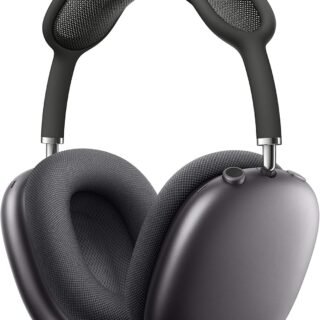 Apple AirPods Max Wireless Over-Ear Headphones, Active Noise Cancelling, Transparency Mode, Personalized Spatial Audio, Dolby Atmos, Bluetooth Headphones for iPhone – Space Gray
-
 Apple AirPods Pro 2 Wireless Earbuds, Active Noise Cancellation, Hearing Aid Feature, Bluetooth Headphones, Transparency, Personalized Spatial Audio, High-Fidelity Sound, H2 Chip, USB-C Charging
-
Home Garage 210 TC Cotton King Floral Fitted (Elastic) Bedsheet(Pack of 1, Grey)
Original price was: ₹999.00.₹299.00Current price is: ₹299.00.
Leave a Reply