Discounted Products
-
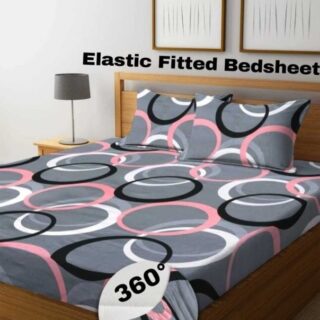 Home Garage 210 TC Cotton King Floral Fitted (Elastic) Bedsheet(Pack of 1, Grey)
Original price was: ₹999.00.₹299.00Current price is: ₹299.00.
Home Garage 210 TC Cotton King Floral Fitted (Elastic) Bedsheet(Pack of 1, Grey)
Original price was: ₹999.00.₹299.00Current price is: ₹299.00.
-
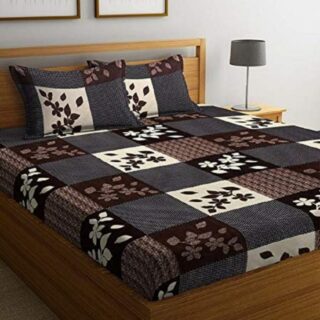 Goodrik 140 TC Cotton Double 3D Printed Flat Bedsheet(Pack of 1, Brown)
Original price was: ₹499.00.₹229.00Current price is: ₹229.00.
Goodrik 140 TC Cotton Double 3D Printed Flat Bedsheet(Pack of 1, Brown)
Original price was: ₹499.00.₹229.00Current price is: ₹229.00.
-
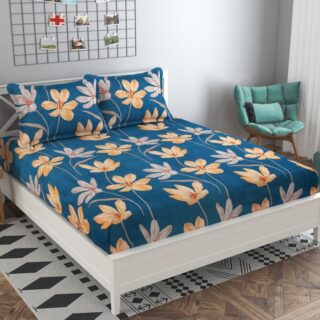 GLOBALSHOP 350 TC Microfiber Double Floral Flat Bedsheet(Pack of 1, Multicolor)
Original price was: ₹1,250.00.₹263.00Current price is: ₹263.00.
GLOBALSHOP 350 TC Microfiber Double Floral Flat Bedsheet(Pack of 1, Multicolor)
Original price was: ₹1,250.00.₹263.00Current price is: ₹263.00.
-
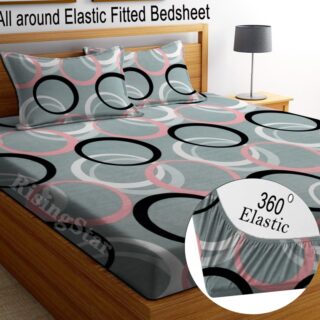 RisingStar 250 TC Microfiber King Printed Fitted (Elastic) Bedsheet(Pack of 1, FITTED-ROUND-CIRCLES-PREMIUM)
Original price was: ₹2,299.00.₹299.00Current price is: ₹299.00.
RisingStar 250 TC Microfiber King Printed Fitted (Elastic) Bedsheet(Pack of 1, FITTED-ROUND-CIRCLES-PREMIUM)
Original price was: ₹2,299.00.₹299.00Current price is: ₹299.00.
-
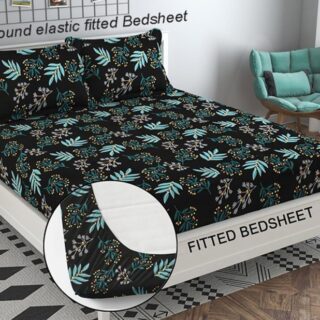 Home Garage 210 TC Cotton King Floral Fitted (Elastic) Bedsheet(Pack of 1, Fitted Black Green)
Original price was: ₹1,299.00.₹299.00Current price is: ₹299.00.
Home Garage 210 TC Cotton King Floral Fitted (Elastic) Bedsheet(Pack of 1, Fitted Black Green)
Original price was: ₹1,299.00.₹299.00Current price is: ₹299.00.
-
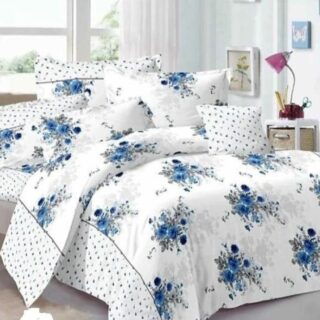 Home Garage 180 TC Cotton King 3D Printed Flat Bedsheet(Pack of 1, White)
Original price was: ₹999.00.₹229.00Current price is: ₹229.00.
Home Garage 180 TC Cotton King 3D Printed Flat Bedsheet(Pack of 1, White)
Original price was: ₹999.00.₹229.00Current price is: ₹229.00.
-
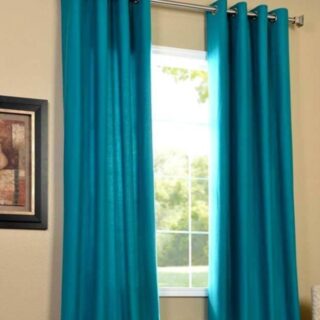 Panipat Textile Hub 152.4 cm (5 ft) Polyester Window Curtain (Pack Of 2)(Solid, Aqua)
Original price was: ₹1,899.00.₹299.00Current price is: ₹299.00.
Panipat Textile Hub 152.4 cm (5 ft) Polyester Window Curtain (Pack Of 2)(Solid, Aqua)
Original price was: ₹1,899.00.₹299.00Current price is: ₹299.00.
-
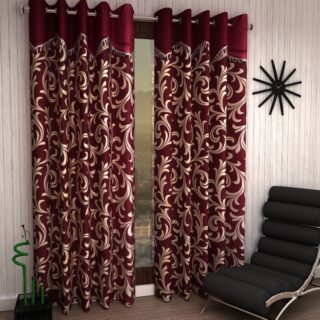 Home Sizzler 214 cm (7 ft) Polyester Semi Transparent Door Curtain (Pack Of 2)(Floral, Maroon)
Original price was: ₹1,199.00.₹399.00Current price is: ₹399.00.
Home Sizzler 214 cm (7 ft) Polyester Semi Transparent Door Curtain (Pack Of 2)(Floral, Maroon)
Original price was: ₹1,199.00.₹399.00Current price is: ₹399.00.
-
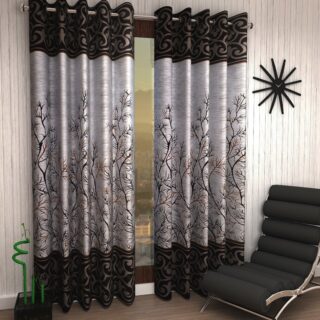 Home Sizzler 153 cm (5 ft) Polyester Room Darkening Window Curtain (Pack Of 2)(Floral, Brown)
Original price was: ₹799.00.₹299.00Current price is: ₹299.00.
Home Sizzler 153 cm (5 ft) Polyester Room Darkening Window Curtain (Pack Of 2)(Floral, Brown)
Original price was: ₹799.00.₹299.00Current price is: ₹299.00.
-
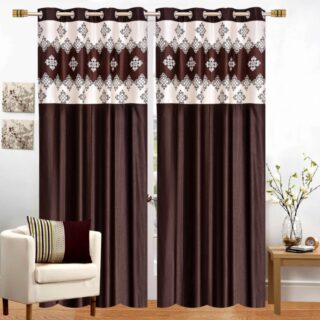 Stella Creations 214 cm (7 ft) Polyester Room Darkening Door Curtain (Pack Of 2)(Abstract, Brown)
Original price was: ₹1,299.00.₹449.00Current price is: ₹449.00.
Stella Creations 214 cm (7 ft) Polyester Room Darkening Door Curtain (Pack Of 2)(Abstract, Brown)
Original price was: ₹1,299.00.₹449.00Current price is: ₹449.00.
-
 Homefab India 152.5 cm (5 ft) Polyester Room Darkening Window Curtain (Pack Of 2)(Floral, Light Blue)
Original price was: ₹1,199.00.₹319.00Current price is: ₹319.00.
Homefab India 152.5 cm (5 ft) Polyester Room Darkening Window Curtain (Pack Of 2)(Floral, Light Blue)
Original price was: ₹1,199.00.₹319.00Current price is: ₹319.00.
-
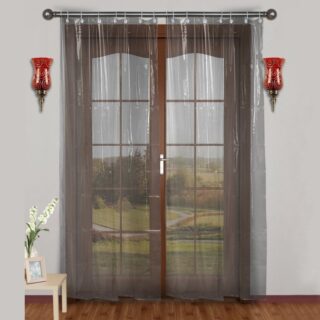 Urban Home 214 cm (7 ft) PVC Transparent Door Curtain Single Curtain(Solid, Off White)
Original price was: ₹699.00.₹203.00Current price is: ₹203.00.
Urban Home 214 cm (7 ft) PVC Transparent Door Curtain Single Curtain(Solid, Off White)
Original price was: ₹699.00.₹203.00Current price is: ₹203.00.
-
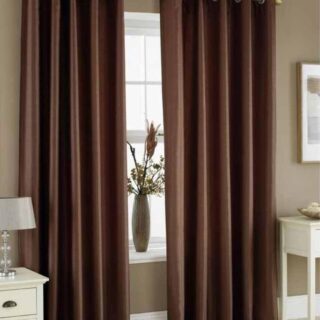 Panipat Textile Hub 213 cm (7 ft) Polyester Door Curtain (Pack Of 2)(Solid, Brown)
Original price was: ₹1,199.00.₹349.00Current price is: ₹349.00.
Panipat Textile Hub 213 cm (7 ft) Polyester Door Curtain (Pack Of 2)(Solid, Brown)
Original price was: ₹1,199.00.₹349.00Current price is: ₹349.00.
-
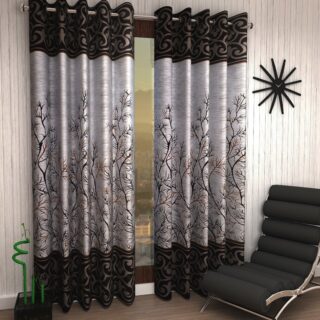 Home Sizzler 214 cm (7 ft) Polyester Semi Transparent Door Curtain (Pack Of 2)(Floral, Brown)
Original price was: ₹999.00.₹349.00Current price is: ₹349.00.
Home Sizzler 214 cm (7 ft) Polyester Semi Transparent Door Curtain (Pack Of 2)(Floral, Brown)
Original price was: ₹999.00.₹349.00Current price is: ₹349.00.
-
 Panipat Textile Hub 213 cm (7 ft) Polyester Semi Transparent Door Curtain (Pack Of 2)(Floral, Brown)
Original price was: ₹899.00.₹299.00Current price is: ₹299.00.
Panipat Textile Hub 213 cm (7 ft) Polyester Semi Transparent Door Curtain (Pack Of 2)(Floral, Brown)
Original price was: ₹899.00.₹299.00Current price is: ₹299.00.
Hi, I’m Jessica, and I still remember the day a friend of mine lost years of important documents due to a ransomware attack. It was one of those moments where you realize how vulnerable your system really is—even if you think you’re careful. That incident pushed me to explore built-in security features in Windows that most people overlook, and that’s when I discovered Controlled Folder Access. If you’ve never heard of it, you’re not alone. Many users rely solely on antivirus software and miss out on this powerful layer of protection already available in Windows 11. Controlled Folder Access helps prevent unauthorized apps from modifying important files, essentially acting as a shield against ransomware and malicious software. In this guide, I’ll walk you through everything you need to know—from enabling the feature to customizing it for your workflow. Whether you’re a student, professional, or someone managing sensitive files, this feature can be a game-changer in securing your digital life.
What Is Controlled Folder Access and Why It Matters
Controlled Folder Access is a security feature within Windows 11 designed to protect your important files and directories from unauthorized changes. It is part of Microsoft Defender’s ransomware protection system and works by restricting which applications can modify files in protected folders. When enabled, only trusted applications are allowed to access or make changes, while suspicious or unknown apps are blocked automatically.
This feature becomes especially important in today’s digital environment where ransomware attacks are becoming more frequent and sophisticated. Hackers often target personal folders like Documents, Pictures, and Desktop to encrypt files and demand payment. Controlled Folder Access adds an extra layer of defense by preventing these malicious programs from even reaching your files.
What makes it particularly useful is that it doesn’t require advanced technical knowledge. Once enabled, it runs silently in the background, protecting your data without interfering with your daily tasks. For users who store financial records, business documents, or personal memories on their systems, this feature provides peace of mind by reducing the risk of data loss or compromise.
How Controlled Folder Access Works Behind the Scenes
Understanding how Controlled Folder Access functions can help you use it more effectively. At its core, this feature uses behavior-based monitoring to determine whether an application should be allowed to access protected folders. Instead of relying only on traditional virus signatures, it analyzes how programs behave in real-time.
When an app tries to modify a file in a protected folder, Windows checks whether the app is trusted. Trusted apps include those signed by Microsoft or those with a strong reputation. If the app is not recognized, access is blocked, and you receive a notification. This ensures that even newly developed malware, which may not yet be detected by antivirus databases, is prevented from causing damage.
Another important aspect is that Controlled Folder Access logs these blocked attempts. You can review these logs to understand which applications were denied access and decide whether to allow them manually. This balance between automation and user control makes the feature both powerful and flexible, allowing users to tailor protection according to their needs without compromising usability.
Steps to Enable Controlled Folder Access in Windows 11
Enabling Controlled Folder Access is a straightforward process that can be completed in just a few steps. First, open the Windows Security app by searching for it in the Start menu. Once inside, navigate to the “Virus & threat protection” section, where you will find various security options.
Scroll down to locate the “Ransomware protection” section and click on “Manage ransomware protection.” Here, you will see the option for Controlled Folder Access. Toggle the switch to turn it on. You may be prompted to grant administrative permissions, which is required to make system-level changes.
Once activated, Windows automatically begins protecting default folders such as Documents, Pictures, Videos, and Desktop. You will also start receiving alerts if any unauthorized application attempts to access these folders. The entire setup process takes only a few minutes, yet it significantly enhances your system’s defense against ransomware attacks. It’s one of the simplest yet most effective steps you can take to secure your data.
Default Protected Folders and What They Include
When you enable Controlled Folder Access, Windows automatically secures several important folders by default. These typically include Documents, Pictures, Videos, Music, and Desktop. These directories are commonly targeted by ransomware because they contain valuable personal and professional data.
The idea behind protecting these folders is to safeguard the most frequently used storage locations without requiring manual configuration. For most users, these folders hold everything from work files and project data to personal photos and media collections. By locking them down, Windows ensures that unauthorized applications cannot tamper with or encrypt these files.
However, it’s important to understand that system folders and application directories are not included by default. This is intentional to prevent conflicts with software that needs to function normally. The focus is strictly on user data, which is the primary target for cyberattacks. While the default protection is sufficient for many users, you always have the flexibility to expand this list and include additional folders based on your specific requirements.
How to Add Additional Folders for Protection
While the default protected folders cover most user needs, there are situations where you may want to secure additional directories. For example, if you store sensitive business data or backups in a custom folder, adding it to the protected list is a smart move.
To do this, go back to the “Manage ransomware protection” settings in Windows Security. Under Controlled Folder Access, you will find an option labeled “Protected folders.” Click on it and then select “Add a protected folder.” A file explorer window will open, allowing you to choose the folder you want to secure.
Once added, the folder receives the same level of protection as the default ones. Unauthorized applications will be blocked from making changes, and you will be notified if any attempt is made. This feature is particularly useful for professionals and businesses that organize files outside standard directories. By customizing your protected folders, you can ensure that all critical data—regardless of location—is safeguarded against potential threats.
Allowing Trusted Apps Through Controlled Folder Access
One of the common challenges users face after enabling Controlled Folder Access is that some legitimate applications may be blocked. This happens because the system does not automatically recognize all safe programs, especially newly installed or less common ones.
To resolve this, you can manually allow trusted applications. In the ransomware protection settings, look for the option “Allow an app through Controlled folder access.” Click on it and then select “Add an allowed app.” You can choose from recently blocked apps or browse your system to select a specific program.
Once added, the application will have permission to modify files within protected folders without being blocked. This ensures that your workflow remains uninterrupted while maintaining strong security. It’s important to be cautious when adding exceptions and only allow applications that you trust completely. This balance between protection and usability is what makes Controlled Folder Access a practical security solution for everyday use.
Notifications and Alerts You Should Pay Attention To
Controlled Folder Access actively monitors your system and provides alerts whenever it blocks an unauthorized attempt to access protected folders. These notifications are crucial because they give you real-time insight into potential threats.
When you receive an alert, it typically includes details about the application that was blocked and the folder it tried to access. This information helps you determine whether the action was malicious or simply a false positive. If the app is legitimate, you can choose to allow it through the settings. If not, the alert serves as a warning that your system may be under attack.
Ignoring these notifications is not advisable. They are designed to keep you informed and help you make quick decisions to maintain system security. Regularly reviewing these alerts can also help you identify patterns or repeated attempts, which may indicate a deeper issue that requires further investigation.
Common Issues and How to Fix Them
While Controlled Folder Access is highly effective, it can sometimes cause minor usability issues. The most common problem is legitimate applications being blocked from accessing files, which can disrupt normal operations.
If you encounter such issues, the first step is to check the protection history in Windows Security. This section provides a detailed log of blocked actions, allowing you to identify which app is causing the problem. From there, you can add the app to the allowed list if it is safe.
Another issue users face is difficulty saving files in protected folders. This usually occurs with older or less common software that does not meet Windows’ trust criteria. In such cases, allowing the app manually resolves the issue. Keeping your applications updated can also reduce compatibility problems, as newer versions are more likely to be recognized as safe.
By understanding these common challenges and their solutions, you can use Controlled Folder Access effectively without compromising your productivity.
Best Practices for Maximum Protection
To get the most out of Controlled Folder Access, it’s important to follow a few best practices. First, always keep your Windows system and security definitions up to date. This ensures that Microsoft Defender can accurately पहचान trusted applications and detect new threats.
Second, avoid adding too many exceptions unless absolutely necessary. Every allowed app creates a potential entry point, so it’s important to maintain a balance between accessibility and security. Only grant permissions to applications that you trust and use regularly.
Third, consider combining Controlled Folder Access with other security measures such as regular backups and antivirus scans. While this feature is powerful, no single solution can guarantee complete protection. A layered approach to security is always more effective.
Finally, stay informed about the latest cybersecurity threats and practices. Awareness plays a key role in prevention, and understanding how attacks work can help you make smarter decisions when managing your system’s security settings.
Why Controlled Folder Access Is Essential in 2026
As cyber threats continue to evolve, relying solely on traditional antivirus software is no longer enough. Ransomware attacks have become more targeted and sophisticated, often bypassing basic security measures. This is where Controlled Folder Access proves its value.
In 2026, data is more valuable than ever, whether it’s personal memories, financial records, or business information. Losing access to this data can have serious consequences, both emotionally and financially. Controlled Folder Access provides a proactive defense by stopping threats before they can cause damage.
What makes it particularly relevant today is its ability to adapt to new threats through behavior-based detection. Instead of reacting to known viruses, it prevents suspicious activity altogether. For individuals and businesses alike, this feature is not just an option—it’s a necessity for maintaining digital security in an increasingly risky online environment.
Disclaimer
This article is for informational purposes only. While Controlled Folder Access enhances security in Windows 11, it should not be considered a complete replacement for comprehensive cybersecurity practices. Always use updated antivirus software, maintain regular backups, and follow safe browsing habits to ensure maximum protection of your data.






Products
-
![Apple Watch Ultra 3 [GPS + Cellular 49mm] Running & Multisport Smartwatch w/Rugged Titanium Case w/Black Titanium Milanese Loop - M. Satellite Communications, Advanced Health & Fitness Tracking](https://bazaronweb.com/retailstores/wp-content/uploads/2025/09/apple-watch-320x320.jpg) Apple Watch Ultra 3 [GPS + Cellular 49mm] Running & Multisport Smartwatch w/Rugged Titanium Case w/Black Titanium Milanese Loop - M. Satellite Communications, Advanced Health & Fitness Tracking
Apple Watch Ultra 3 [GPS + Cellular 49mm] Running & Multisport Smartwatch w/Rugged Titanium Case w/Black Titanium Milanese Loop - M. Satellite Communications, Advanced Health & Fitness Tracking
-
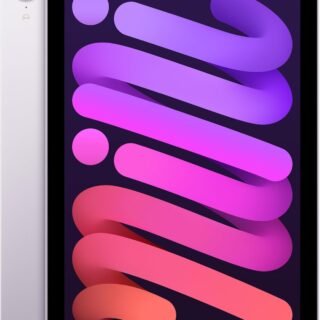 Apple iPad mini (A17 Pro): Apple Intelligence, 8.3-inch Liquid Retina Display, 256GB, Wi-Fi 6E, 12MP Front/12MP Back Camera, Touch ID, All-Day Battery Life — Purple
-
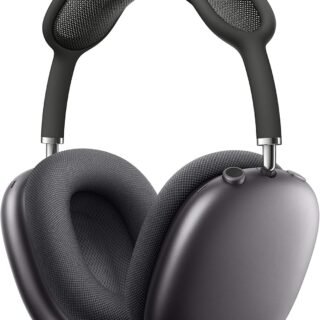 Apple AirPods Max Wireless Over-Ear Headphones, Active Noise Cancelling, Transparency Mode, Personalized Spatial Audio, Dolby Atmos, Bluetooth Headphones for iPhone – Space Gray
-
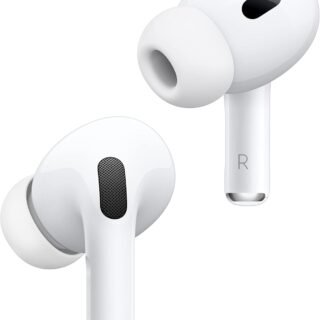 Apple AirPods Pro 2 Wireless Earbuds, Active Noise Cancellation, Hearing Aid Feature, Bluetooth Headphones, Transparency, Personalized Spatial Audio, High-Fidelity Sound, H2 Chip, USB-C Charging
-
Home Garage 210 TC Cotton King Floral Fitted (Elastic) Bedsheet(Pack of 1, Grey)
Original price was: ₹999.00.₹299.00Current price is: ₹299.00.
Leave a Reply