Discounted Products
-
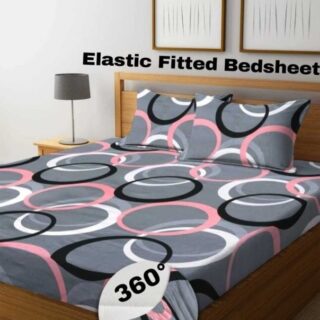 Home Garage 210 TC Cotton King Floral Fitted (Elastic) Bedsheet(Pack of 1, Grey)
Original price was: ₹999.00.₹299.00Current price is: ₹299.00.
Home Garage 210 TC Cotton King Floral Fitted (Elastic) Bedsheet(Pack of 1, Grey)
Original price was: ₹999.00.₹299.00Current price is: ₹299.00.
-
 Goodrik 140 TC Cotton Double 3D Printed Flat Bedsheet(Pack of 1, Brown)
Original price was: ₹499.00.₹229.00Current price is: ₹229.00.
Goodrik 140 TC Cotton Double 3D Printed Flat Bedsheet(Pack of 1, Brown)
Original price was: ₹499.00.₹229.00Current price is: ₹229.00.
-
 GLOBALSHOP 350 TC Microfiber Double Floral Flat Bedsheet(Pack of 1, Multicolor)
Original price was: ₹1,250.00.₹263.00Current price is: ₹263.00.
GLOBALSHOP 350 TC Microfiber Double Floral Flat Bedsheet(Pack of 1, Multicolor)
Original price was: ₹1,250.00.₹263.00Current price is: ₹263.00.
-
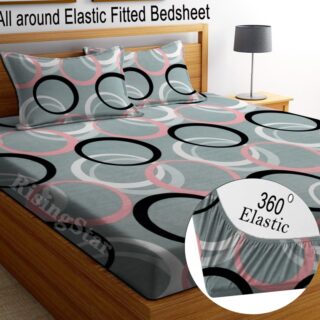 RisingStar 250 TC Microfiber King Printed Fitted (Elastic) Bedsheet(Pack of 1, FITTED-ROUND-CIRCLES-PREMIUM)
Original price was: ₹2,299.00.₹299.00Current price is: ₹299.00.
RisingStar 250 TC Microfiber King Printed Fitted (Elastic) Bedsheet(Pack of 1, FITTED-ROUND-CIRCLES-PREMIUM)
Original price was: ₹2,299.00.₹299.00Current price is: ₹299.00.
-
 Home Garage 210 TC Cotton King Floral Fitted (Elastic) Bedsheet(Pack of 1, Fitted Black Green)
Original price was: ₹1,299.00.₹299.00Current price is: ₹299.00.
Home Garage 210 TC Cotton King Floral Fitted (Elastic) Bedsheet(Pack of 1, Fitted Black Green)
Original price was: ₹1,299.00.₹299.00Current price is: ₹299.00.
-
 Home Garage 180 TC Cotton King 3D Printed Flat Bedsheet(Pack of 1, White)
Original price was: ₹999.00.₹229.00Current price is: ₹229.00.
Home Garage 180 TC Cotton King 3D Printed Flat Bedsheet(Pack of 1, White)
Original price was: ₹999.00.₹229.00Current price is: ₹229.00.
-
 Panipat Textile Hub 152.4 cm (5 ft) Polyester Window Curtain (Pack Of 2)(Solid, Aqua)
Original price was: ₹1,899.00.₹299.00Current price is: ₹299.00.
Panipat Textile Hub 152.4 cm (5 ft) Polyester Window Curtain (Pack Of 2)(Solid, Aqua)
Original price was: ₹1,899.00.₹299.00Current price is: ₹299.00.
-
 Home Sizzler 214 cm (7 ft) Polyester Semi Transparent Door Curtain (Pack Of 2)(Floral, Maroon)
Original price was: ₹1,199.00.₹399.00Current price is: ₹399.00.
Home Sizzler 214 cm (7 ft) Polyester Semi Transparent Door Curtain (Pack Of 2)(Floral, Maroon)
Original price was: ₹1,199.00.₹399.00Current price is: ₹399.00.
-
 Home Sizzler 153 cm (5 ft) Polyester Room Darkening Window Curtain (Pack Of 2)(Floral, Brown)
Original price was: ₹799.00.₹299.00Current price is: ₹299.00.
Home Sizzler 153 cm (5 ft) Polyester Room Darkening Window Curtain (Pack Of 2)(Floral, Brown)
Original price was: ₹799.00.₹299.00Current price is: ₹299.00.
-
 Stella Creations 214 cm (7 ft) Polyester Room Darkening Door Curtain (Pack Of 2)(Abstract, Brown)
Original price was: ₹1,299.00.₹449.00Current price is: ₹449.00.
Stella Creations 214 cm (7 ft) Polyester Room Darkening Door Curtain (Pack Of 2)(Abstract, Brown)
Original price was: ₹1,299.00.₹449.00Current price is: ₹449.00.
-
 Homefab India 152.5 cm (5 ft) Polyester Room Darkening Window Curtain (Pack Of 2)(Floral, Light Blue)
Original price was: ₹1,199.00.₹319.00Current price is: ₹319.00.
Homefab India 152.5 cm (5 ft) Polyester Room Darkening Window Curtain (Pack Of 2)(Floral, Light Blue)
Original price was: ₹1,199.00.₹319.00Current price is: ₹319.00.
-
 Urban Home 214 cm (7 ft) PVC Transparent Door Curtain Single Curtain(Solid, Off White)
Original price was: ₹699.00.₹203.00Current price is: ₹203.00.
Urban Home 214 cm (7 ft) PVC Transparent Door Curtain Single Curtain(Solid, Off White)
Original price was: ₹699.00.₹203.00Current price is: ₹203.00.
-
 Panipat Textile Hub 213 cm (7 ft) Polyester Door Curtain (Pack Of 2)(Solid, Brown)
Original price was: ₹1,199.00.₹349.00Current price is: ₹349.00.
Panipat Textile Hub 213 cm (7 ft) Polyester Door Curtain (Pack Of 2)(Solid, Brown)
Original price was: ₹1,199.00.₹349.00Current price is: ₹349.00.
-
 Home Sizzler 214 cm (7 ft) Polyester Semi Transparent Door Curtain (Pack Of 2)(Floral, Brown)
Original price was: ₹999.00.₹349.00Current price is: ₹349.00.
Home Sizzler 214 cm (7 ft) Polyester Semi Transparent Door Curtain (Pack Of 2)(Floral, Brown)
Original price was: ₹999.00.₹349.00Current price is: ₹349.00.
-
 Panipat Textile Hub 213 cm (7 ft) Polyester Semi Transparent Door Curtain (Pack Of 2)(Floral, Brown)
Original price was: ₹899.00.₹299.00Current price is: ₹299.00.
Panipat Textile Hub 213 cm (7 ft) Polyester Semi Transparent Door Curtain (Pack Of 2)(Floral, Brown)
Original price was: ₹899.00.₹299.00Current price is: ₹299.00.

Hey, it’s Jessica,
If you’ve ever tried to remember what exactly is installed on your PC, you know how messy it can get. Between work tools, random utilities you tested once, pre-installed apps you never asked for, and software installed by different users over time, things add up fast. Whether you’re cleaning up your system, troubleshooting issues, preparing for a PC upgrade, or just doing a digital declutter, generating a complete list of installed software is one of the smartest first steps you can take.
I’ve personally run into this while helping family members optimize their laptops or when switching to a new work machine. You think you know what’s installed—until you see the full list. And trust me, it’s usually longer than expected.
The good news? Windows gives you several reliable ways to generate a list of all installed programs, and you don’t need to be a tech expert to do it. Some methods are quick and visual, perfect for casual users, while others are more advanced and ideal if you want an exportable list for documentation or IT purposes. The best method really depends on why you need the list in the first place.
For example, if you’re:
-
Upgrading or selling your PC, a software list helps you know what to reinstall or remove
-
Troubleshooting errors, it helps identify conflicting or outdated programs
-
Managing office systems, it’s essential for audits and compliance
-
Cleaning up storage, it shows which apps are taking up space unnecessarily
Another reason this matters in 2026 is security. Outdated or unused software can be a hidden risk. Programs you forgot about may no longer receive updates, making your PC vulnerable. Having a clear list lets you spot those weak points quickly and decide what stays and what goes.
What I love most is that you don’t need extra tools right away. Windows itself offers built-in options like system settings, command-line tools, and scripting methods that can generate surprisingly detailed software inventories. And if you want something more user-friendly or exportable, there are also trusted third-party tools that do the heavy lifting for you.
In this guide, I’ll walk you through simple, practical ways to generate a complete list of installed software on a Windows PC, from beginner-friendly options to more advanced techniques. No fluff, no overcomplicated jargon—just clear steps that actually work.
1. Viewing Installed Software Using Windows Settings (Quick & Beginner-Friendly)
If you just want a fast overview of what’s installed on your PC, Windows Settings is the easiest place to start. This method doesn’t require any technical knowledge and works perfectly for personal use or basic cleanup.
On your Windows PC, open Settings → Apps → Installed apps (or Apps & Features on older versions). You’ll immediately see a scrollable list of all installed programs. Each entry usually shows the app name, size, and installation date. You can also sort the list by name or size, which is helpful if you’re trying to identify large or unused applications.
While this method is great for visual inspection, it has limitations. You can’t export the list directly, and some system components or background utilities may not appear here. Still, for a quick audit or storage cleanup, this is often more than enough.
This approach is ideal if you’re helping a family member clean up their laptop or just want to uninstall apps you no longer use.
2. Generating a Software List Using Control Panel (Classic & Reliable)
The Control Panel may feel old-school, but it’s still one of the most reliable ways to see installed software. Open Control Panel → Programs → Programs and Features. This view is especially useful because it often shows traditional desktop software more clearly than the Settings app.
You’ll see a detailed list with publisher names, installation dates, and version numbers. This makes it easier to identify outdated programs or duplicate installations. Many users prefer this view because it’s clean, familiar, and consistent across Windows versions.
Although you still can’t export the list directly from here, you can manually copy program names if needed. This method is often used by IT professionals during basic system checks.
3. Using Command Prompt to Export Installed Software (Powerful & Exportable)
If you want a text-based list you can save or share, Command Prompt is your friend. Don’t worry—it’s easier than it sounds.
Open Command Prompt as Administrator, then run the following command:
Windows will generate a list of installed software along with version numbers. You can also export this list to a text file using:
This file will be saved in your user directory and can be opened in Notepad. This method is excellent if you’re documenting a system before formatting, migrating to a new PC, or maintaining records for work.
One thing to keep in mind: this command may take a bit of time to run, and it might not include Microsoft Store apps. Still, it’s one of the most commonly used methods in professional environments.
4. Using PowerShell for a Cleaner and More Accurate List
PowerShell offers a more modern and flexible way to generate software lists. Open Windows PowerShell as Administrator and run:
This command pulls data directly from the Windows registry, resulting in a more accurate list than some older tools. You’ll see software names, versions, publishers, and installation dates.
To export this list to a CSV file (perfect for Excel), use:
This is my go-to method when I need a clean, professional software inventory. It’s especially useful for audits, office systems, or advanced troubleshooting.
5. Listing Microsoft Store Apps Separately
Microsoft Store apps don’t always show up in traditional software lists, which can be confusing. To list them, PowerShell comes to the rescue again.
Run this command:
This displays all Store-installed apps, including system apps. If you want to export them:
This step is important if you want a truly complete software list, especially on newer Windows systems.
6. Using Third-Party Tools for One-Click Reports
If command lines aren’t your thing, third-party tools can make life much easier. Software inventory tools automatically scan your PC and generate detailed reports in formats like TXT, CSV, or HTML.
These tools often include:
-
Installed software lists
-
Version numbers
-
Installation paths
-
Startup programs
They’re especially useful for non-technical users, IT consultants, or anyone managing multiple systems. Just make sure you download tools from trusted sources and avoid anything that bundles unnecessary add-ons.
7. Why Generating a Software List Is Worth Doing Regularly
Once you generate a full list of installed software, you’ll probably be surprised by how much is sitting on your PC unused. Old trial software, legacy drivers, duplicate tools, and abandoned apps all add clutter and sometimes slow down your system.
By reviewing your software list regularly, you can:
-
Improve system performance
-
Reduce security risks
-
Free up disk space
-
Simplify backups and migrations
I recommend doing this at least once a year—or anytime you notice your PC feeling sluggish.
8. Choosing the Right Method for Your Needs
There’s no single “best” way to generate a software list—it really depends on your goal. If you want speed, use Settings or Control Panel. If you want documentation, go with PowerShell or Command Prompt. And if you want zero effort, third-party tools are the way to go.
The important thing is knowing that you have options, and none of them require advanced technical skills.
Up next, I’ll wrap things up with final thoughts and practical advice on what to do after you generate your software list—because the list itself is just the beginning.
Conclusion
Once you know how to generate a list of all software installed on your PC, you’re no longer guessing what’s running in the background—you’re fully in control. This simple habit can save you hours of frustration later, whether you’re troubleshooting a slow system, preparing for a Windows reset, upgrading to a new PC, or just doing some much-needed digital cleanup.
What I love about these methods is that they work for every kind of user. If you prefer visual and simple, Windows Settings and Control Panel get the job done quickly. If you want accuracy, exports, or documentation, PowerShell and Command Prompt are incredibly powerful once you try them even once. And if you’d rather avoid technical steps altogether, trusted third-party tools make software inventory almost effortless.
The real value isn’t just in creating the list—it’s in what you do after. Reviewing installed software helps you spot outdated apps, unused programs, and potential security risks. In 2026, keeping your system clean isn’t just about performance anymore; it’s also about privacy and safety. Software you forgot about may no longer be supported, and that can quietly put your PC at risk.
My personal recommendation? Generate a full software list at least once a year, and always before major changes like system resets or hardware upgrades. Save the list, review it calmly, and uninstall only what you’re confident you don’t need. That small step can make your PC feel lighter, faster, and more reliable.
Once you start doing this regularly, you’ll wonder how you ever managed your system without it.
Disclaimer
This guide is intended for informational and educational purposes only. The commands and tools mentioned are commonly used on Windows PCs, but results may vary depending on system configuration and Windows version. Always review software carefully before uninstalling, and create backups where necessary.

- How to Fix “Unable to Initialize Windows App SDK” Error in Windows 11

- How to Fix “Try Again Later – Something Happened on Our End” Error in Microsoft Store

- What Are iPhone Background Sounds? Their Uses and How to Enable Them

- How to Run a Safety Check in Google Chrome and Protect Your Browser

- Samsung Phone’s Keyboard Not Working? Here’s How to Fix It

Products
-
![Apple Watch Ultra 3 [GPS + Cellular 49mm] Running & Multisport Smartwatch w/Rugged Titanium Case w/Black Titanium Milanese Loop - M. Satellite Communications, Advanced Health & Fitness Tracking](https://bazaronweb.com/retailstores/wp-content/uploads/2025/09/apple-watch-320x320.jpg) Apple Watch Ultra 3 [GPS + Cellular 49mm] Running & Multisport Smartwatch w/Rugged Titanium Case w/Black Titanium Milanese Loop - M. Satellite Communications, Advanced Health & Fitness Tracking
Apple Watch Ultra 3 [GPS + Cellular 49mm] Running & Multisport Smartwatch w/Rugged Titanium Case w/Black Titanium Milanese Loop - M. Satellite Communications, Advanced Health & Fitness Tracking
-
 Apple iPad mini (A17 Pro): Apple Intelligence, 8.3-inch Liquid Retina Display, 256GB, Wi-Fi 6E, 12MP Front/12MP Back Camera, Touch ID, All-Day Battery Life — Purple
-
 Apple AirPods Max Wireless Over-Ear Headphones, Active Noise Cancelling, Transparency Mode, Personalized Spatial Audio, Dolby Atmos, Bluetooth Headphones for iPhone – Space Gray
-
 Apple AirPods Pro 2 Wireless Earbuds, Active Noise Cancellation, Hearing Aid Feature, Bluetooth Headphones, Transparency, Personalized Spatial Audio, High-Fidelity Sound, H2 Chip, USB-C Charging
-
Home Garage 210 TC Cotton King Floral Fitted (Elastic) Bedsheet(Pack of 1, Grey)
Original price was: ₹999.00.₹299.00Current price is: ₹299.00.
Leave a Reply