Discounted Products
-
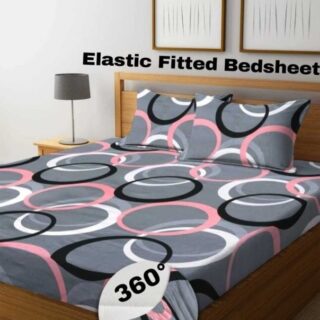 Home Garage 210 TC Cotton King Floral Fitted (Elastic) Bedsheet(Pack of 1, Grey)
Original price was: ₹999.00.₹299.00Current price is: ₹299.00.
Home Garage 210 TC Cotton King Floral Fitted (Elastic) Bedsheet(Pack of 1, Grey)
Original price was: ₹999.00.₹299.00Current price is: ₹299.00.
-
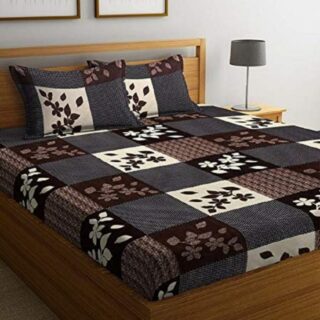 Goodrik 140 TC Cotton Double 3D Printed Flat Bedsheet(Pack of 1, Brown)
Original price was: ₹499.00.₹229.00Current price is: ₹229.00.
Goodrik 140 TC Cotton Double 3D Printed Flat Bedsheet(Pack of 1, Brown)
Original price was: ₹499.00.₹229.00Current price is: ₹229.00.
-
 GLOBALSHOP 350 TC Microfiber Double Floral Flat Bedsheet(Pack of 1, Multicolor)
Original price was: ₹1,250.00.₹263.00Current price is: ₹263.00.
GLOBALSHOP 350 TC Microfiber Double Floral Flat Bedsheet(Pack of 1, Multicolor)
Original price was: ₹1,250.00.₹263.00Current price is: ₹263.00.
-
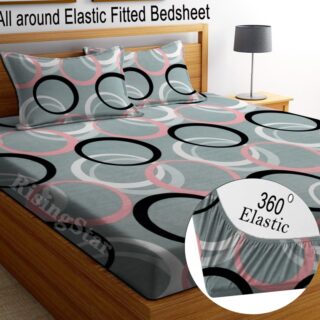 RisingStar 250 TC Microfiber King Printed Fitted (Elastic) Bedsheet(Pack of 1, FITTED-ROUND-CIRCLES-PREMIUM)
Original price was: ₹2,299.00.₹299.00Current price is: ₹299.00.
RisingStar 250 TC Microfiber King Printed Fitted (Elastic) Bedsheet(Pack of 1, FITTED-ROUND-CIRCLES-PREMIUM)
Original price was: ₹2,299.00.₹299.00Current price is: ₹299.00.
-
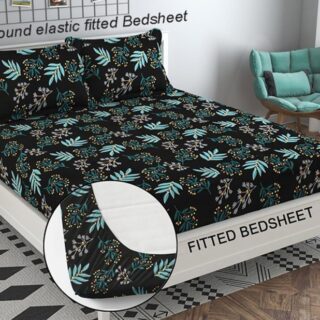 Home Garage 210 TC Cotton King Floral Fitted (Elastic) Bedsheet(Pack of 1, Fitted Black Green)
Original price was: ₹1,299.00.₹299.00Current price is: ₹299.00.
Home Garage 210 TC Cotton King Floral Fitted (Elastic) Bedsheet(Pack of 1, Fitted Black Green)
Original price was: ₹1,299.00.₹299.00Current price is: ₹299.00.
-
 Home Garage 180 TC Cotton King 3D Printed Flat Bedsheet(Pack of 1, White)
Original price was: ₹999.00.₹229.00Current price is: ₹229.00.
Home Garage 180 TC Cotton King 3D Printed Flat Bedsheet(Pack of 1, White)
Original price was: ₹999.00.₹229.00Current price is: ₹229.00.
-
 Panipat Textile Hub 152.4 cm (5 ft) Polyester Window Curtain (Pack Of 2)(Solid, Aqua)
Original price was: ₹1,899.00.₹299.00Current price is: ₹299.00.
Panipat Textile Hub 152.4 cm (5 ft) Polyester Window Curtain (Pack Of 2)(Solid, Aqua)
Original price was: ₹1,899.00.₹299.00Current price is: ₹299.00.
-
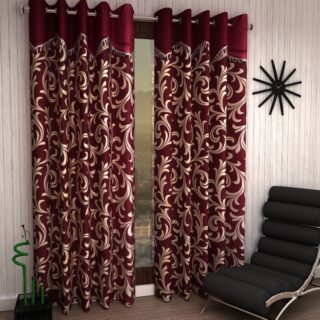 Home Sizzler 214 cm (7 ft) Polyester Semi Transparent Door Curtain (Pack Of 2)(Floral, Maroon)
Original price was: ₹1,199.00.₹399.00Current price is: ₹399.00.
Home Sizzler 214 cm (7 ft) Polyester Semi Transparent Door Curtain (Pack Of 2)(Floral, Maroon)
Original price was: ₹1,199.00.₹399.00Current price is: ₹399.00.
-
 Home Sizzler 153 cm (5 ft) Polyester Room Darkening Window Curtain (Pack Of 2)(Floral, Brown)
Original price was: ₹799.00.₹299.00Current price is: ₹299.00.
Home Sizzler 153 cm (5 ft) Polyester Room Darkening Window Curtain (Pack Of 2)(Floral, Brown)
Original price was: ₹799.00.₹299.00Current price is: ₹299.00.
-
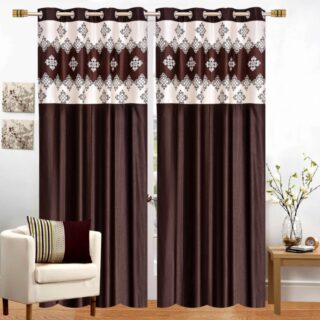 Stella Creations 214 cm (7 ft) Polyester Room Darkening Door Curtain (Pack Of 2)(Abstract, Brown)
Original price was: ₹1,299.00.₹449.00Current price is: ₹449.00.
Stella Creations 214 cm (7 ft) Polyester Room Darkening Door Curtain (Pack Of 2)(Abstract, Brown)
Original price was: ₹1,299.00.₹449.00Current price is: ₹449.00.
-
 Homefab India 152.5 cm (5 ft) Polyester Room Darkening Window Curtain (Pack Of 2)(Floral, Light Blue)
Original price was: ₹1,199.00.₹319.00Current price is: ₹319.00.
Homefab India 152.5 cm (5 ft) Polyester Room Darkening Window Curtain (Pack Of 2)(Floral, Light Blue)
Original price was: ₹1,199.00.₹319.00Current price is: ₹319.00.
-
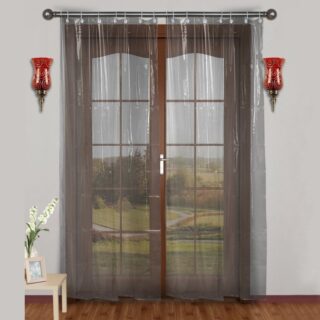 Urban Home 214 cm (7 ft) PVC Transparent Door Curtain Single Curtain(Solid, Off White)
Original price was: ₹699.00.₹203.00Current price is: ₹203.00.
Urban Home 214 cm (7 ft) PVC Transparent Door Curtain Single Curtain(Solid, Off White)
Original price was: ₹699.00.₹203.00Current price is: ₹203.00.
-
 Panipat Textile Hub 213 cm (7 ft) Polyester Door Curtain (Pack Of 2)(Solid, Brown)
Original price was: ₹1,199.00.₹349.00Current price is: ₹349.00.
Panipat Textile Hub 213 cm (7 ft) Polyester Door Curtain (Pack Of 2)(Solid, Brown)
Original price was: ₹1,199.00.₹349.00Current price is: ₹349.00.
-
 Home Sizzler 214 cm (7 ft) Polyester Semi Transparent Door Curtain (Pack Of 2)(Floral, Brown)
Original price was: ₹999.00.₹349.00Current price is: ₹349.00.
Home Sizzler 214 cm (7 ft) Polyester Semi Transparent Door Curtain (Pack Of 2)(Floral, Brown)
Original price was: ₹999.00.₹349.00Current price is: ₹349.00.
-
 Panipat Textile Hub 213 cm (7 ft) Polyester Semi Transparent Door Curtain (Pack Of 2)(Floral, Brown)
Original price was: ₹899.00.₹299.00Current price is: ₹299.00.
Panipat Textile Hub 213 cm (7 ft) Polyester Semi Transparent Door Curtain (Pack Of 2)(Floral, Brown)
Original price was: ₹899.00.₹299.00Current price is: ₹299.00.
Why Is There No Sound on My iPhone? Easy 2026 Fixes That Actually Work
Hi, I’m Jessica. Between work calls, my kids’ school notifications, YouTube Kids, Instagram reels, and quick grocery app alerts, my iPhone isn’t just a phone — it’s my daily command center. So when the sound suddenly stops working, it feels like everything is falling apart.
If your iPhone has no sound — no ringtone, no video audio, no notifications, or no call audio — don’t panic. In most cases, this issue is caused by simple settings, minor software glitches, or overlooked connections. Let’s go step by step and fix it properly.
Identify the Exact Sound Problem First
Before trying random fixes, understand what’s actually happening:
-
No sound during calls only?
-
No ringtone but media works?
-
Videos playing without audio?
-
Speaker sounds muffled?
-
Happened after an iOS update?
Different symptoms usually mean different causes.
Check the Silent Switch Immediately
On the left side of your iPhone, check the Ring/Silent switch.
If you see orange, your phone is in silent mode.
Flip it up and test the sound again.
This small switch is responsible for more “no sound” panic than any technical issue.
Turn Up the Volume the Right Way
There are two separate volume controls:
-
Ringer & Alerts
-
Media volume
Go to:
Settings > Sounds & Haptics
Make sure:
-
Ringer and Alerts slider is turned up
-
“Change with Buttons” is enabled
Then press the Volume Up button while playing a video to increase media volume specifically.
Disable Focus Mode or Do Not Disturb
Focus modes can silence calls and notifications completely.
Go to:
Settings > Focus
Check:
-
Do Not Disturb is off
-
Sleep Focus isn’t active
-
No scheduled Focus mode is turning on automatically
If your phone is silent during specific hours, this is often the cause.
Turn Off Bluetooth
Your iPhone may still be connected to:
-
AirPods
-
Car audio system
-
Bluetooth speaker
-
Smart TV
When connected, sound won’t play from your iPhone speaker.
Go to:
Settings > Bluetooth
Turn Bluetooth off temporarily and test again.
Restart Your iPhone
A restart clears temporary software glitches affecting audio.
For newer models:
-
Press and hold Side button + Volume button
-
Slide to power off
-
Wait 30 seconds
-
Turn it back on
This simple step solves many sound issues instantly.
Check Audio Output Settings
While playing music or video:
-
Open Control Center
-
Tap the AirPlay icon
-
Ensure output is set to “iPhone”
Sometimes it switches automatically to another device.
Update iOS
If the issue started after an update, there may be a bug fix available.
Go to:
Settings > General > Software Update
Install any pending updates.
Apple frequently releases patches for audio glitches.
Clean the Speakers
If sound is very low or muffled:
-
Use a soft brush
-
Use a dry toothbrush gently
-
Blow light compressed air
Avoid liquids or sharp objects.
Pocket lint and dust can block speaker grills more than you’d expect.
Check If iPhone Is Stuck in Headphone Mode
If your phone thinks headphones are plugged in, speaker audio won’t work.
Try:
-
Plugging headphones in and removing them
-
Restarting the device
-
Checking Bluetooth connections
If sound returns after this, that was the issue.
Reset All Settings (Safe Fix)
If nothing works:
Go to:
Settings > General > Transfer or Reset iPhone > Reset > Reset All Settings
This:
-
Does NOT delete photos or apps
-
Resets WiFi, sound, Bluetooth, and display settings
It fixes deeper configuration problems.
When It Might Be Hardware Damage
Consider hardware issues if:
-
Speaker crackles constantly
-
No sound on calls even with speakerphone
-
Microphone not working
-
Problem started after a drop or water exposure
In that case, professional inspection is required.
Most iPhone no sound problems are caused by settings or minor glitches — not serious damage. Work through each step carefully, and you’ll likely restore audio without needing repairs.
No Sound During Calls on iPhone
If your iPhone has sound for music and videos but you can’t hear the other person during calls, the issue is usually linked to the earpiece speaker or call audio routing.
First, during a call, press the Volume Up button. Many users accidentally lower the in-call volume to zero without realizing it.
Next, tap the Speaker button during the call. If you can hear audio on speakerphone but not through the earpiece, the top speaker grill may be blocked. Clean it gently with a soft brush.
Also check:
Settings > Accessibility > Audio/Visual
Make sure:
-
Balance slider is centered
-
Phone Noise Cancellation is enabled (if available)
If calls still have no sound, try resetting network settings:
Settings > General > Transfer or Reset iPhone > Reset > Reset Network Settings
This fixes carrier-related call audio glitches.
iPhone Speaker Not Working but Headphones Do
If audio works with wired or Bluetooth headphones but not through the main speaker, your iPhone may be:
-
Stuck in headphone mode
-
Experiencing speaker blockage
-
Facing internal speaker failure
First, plug wired headphones in and remove them 3–4 times.
Then restart the phone.
Next, check:
Settings > Sounds & Haptics
Ensure ringer volume is up.
You can also test the speaker by going to:
Settings > Sounds & Haptics > Ringtone
If you hear nothing here, the issue is either software or hardware-related.
If you recently exposed your phone to moisture, the speaker may be temporarily disabled until dry.
iPhone Has No Sound After iOS Update
This is more common than people think. Sometimes updates reset audio settings or create temporary bugs.
Here’s what to do:
-
Restart the iPhone immediately after updating.
-
Check Silent switch again.
-
Disable Bluetooth.
-
Check Focus mode.
-
Reset All Settings (without deleting data).
If the issue started immediately after installing an update and none of the above fixes work, back up your device and consider performing a full restore using a Mac or PC.
A clean system reinstall often fixes update-related audio corruption.
No Sound on Specific Apps Only
If sound works everywhere except one app (like Instagram, YouTube, or a game), the problem is usually app-specific.
Try this:
-
Force close the app.
-
Reopen it.
-
Check in-app sound settings.
-
Update the app from the App Store.
-
Delete and reinstall the app.
Also check:
Settings > Screen Time > App Limits
Ensure the app isn’t restricted.
Sometimes apps mute automatically if your phone was previously on silent mode when opened.
iPhone Microphone Not Working
If others can’t hear you during calls, voice notes don’t record, or Siri doesn’t respond, this is a microphone issue — different from speaker problems.
Test the microphone:
-
Open Voice Memos.
-
Record a short clip.
-
Play it back.
If there’s no audio recorded:
-
Remove phone case.
-
Clean microphone holes (bottom edge and near camera).
-
Restart the device.
Also check:
Settings > Privacy & Security > Microphone
Make sure required apps have microphone permission enabled.
If microphone fails in all apps, hardware damage is possible.
iPhone Sound Distorted or Crackling
If sound is present but unclear, distorted, or crackling, possible causes include:
-
Speaker debris
-
Water damage
-
Blown speaker
-
Software conflict
Try:
-
Cleaning speaker grills
-
Restarting phone
-
Updating iOS
-
Reset All Settings
If distortion increases at higher volume levels, speaker hardware may be damaged.
Water Exposure and No Sound
If your iPhone recently got wet and now has no sound, here’s what to do immediately:
-
Power off the phone.
-
Remove any case.
-
Do NOT charge it.
-
Let it dry naturally in a well-ventilated area.
-
Avoid using rice (it’s less effective than airflow).
Modern iPhones are water-resistant, but not waterproof. Even small moisture buildup can temporarily affect speakers.
If after 24–48 hours the sound doesn’t return, internal corrosion may require professional repair.
Perform a Full Factory Reset (Last Software Option)
If absolutely nothing works, back up your data and perform a full reset.
Steps:
-
Back up via iCloud or computer.
-
Go to Settings > General > Transfer or Reset iPhone > Erase All Content and Settings
-
Set up as new device first (don’t restore backup immediately).
-
Test sound before restoring data.
If sound works on a fresh setup but stops after restoring backup, the issue lies in corrupted system settings.
When to Contact Apple Support
You should seek professional help if:
-
No sound from speaker, headphones, or Bluetooth
-
Microphone completely dead
-
Device recently dropped
-
Visible speaker damage
-
Persistent crackling even after reset
At that stage, hardware repair is likely needed.
Quick Advanced Checklist
If basic fixes failed, try:
✔ Reset Network Settings
✔ Reset All Settings
✔ Update all apps
✔ Test microphone via Voice Memos
✔ Clean speakers thoroughly
✔ Turn off Bluetooth
✔ Disable Focus modes
✔ Factory reset (after backup)
Most “no sound on iPhone” problems are software-related — even when they seem serious. Work through solutions methodically instead of jumping to conclusions.
In 2026, iPhones are highly optimized devices, and audio failures are rarely permanent without physical damage. Taking structured steps like the ones above usually restores full functionality without repair costs.
By now, you should have identified whether your issue is related to settings, Bluetooth routing, Focus mode, app conflicts, update glitches, or possible hardware damage — and you have the right path forward to fix it.
Conclusion
If your iPhone suddenly has no sound, it can feel alarming — especially when your entire day depends on calls, alerts, videos, and notifications working properly. But as we’ve covered throughout this guide, most audio issues are not hardware disasters. They are usually simple configuration problems, temporary software glitches, Bluetooth routing confusion, Focus mode settings, or update-related bugs.
The key is to troubleshoot in a structured way instead of randomly trying fixes. Start with the basics: silent switch, volume levels, Bluetooth connections, and Focus modes. Then move toward restarts, software updates, and resetting settings. Only after exhausting these steps should you consider deeper solutions like a factory reset or professional repair.
Modern iPhones are engineered with strong system safeguards. In 2026, it’s rare for sound to completely fail without a clear cause such as water damage or physical impact. Even then, diagnostics can confirm the issue quickly.
The most important thing is not to panic. Follow each step carefully, test sound after every action, and isolate the exact scenario — whether it’s call audio, media playback, speaker output, or microphone input.
By the end of this process, you’ll either have your sound restored or know confidently whether professional support is required.
Disclaimer
This guide is for informational purposes only. Steps mentioned may vary slightly depending on your iPhone model and iOS version. Always back up your data before performing resets or system restores. If your device has physical damage or water exposure, consult authorized Apple service support.





Products
-
![Apple Watch Ultra 3 [GPS + Cellular 49mm] Running & Multisport Smartwatch w/Rugged Titanium Case w/Black Titanium Milanese Loop - M. Satellite Communications, Advanced Health & Fitness Tracking](https://bazaronweb.com/retailstores/wp-content/uploads/2025/09/apple-watch-320x320.jpg) Apple Watch Ultra 3 [GPS + Cellular 49mm] Running & Multisport Smartwatch w/Rugged Titanium Case w/Black Titanium Milanese Loop - M. Satellite Communications, Advanced Health & Fitness Tracking
Apple Watch Ultra 3 [GPS + Cellular 49mm] Running & Multisport Smartwatch w/Rugged Titanium Case w/Black Titanium Milanese Loop - M. Satellite Communications, Advanced Health & Fitness Tracking
-
 Apple iPad mini (A17 Pro): Apple Intelligence, 8.3-inch Liquid Retina Display, 256GB, Wi-Fi 6E, 12MP Front/12MP Back Camera, Touch ID, All-Day Battery Life — Purple
-
 Apple AirPods Max Wireless Over-Ear Headphones, Active Noise Cancelling, Transparency Mode, Personalized Spatial Audio, Dolby Atmos, Bluetooth Headphones for iPhone – Space Gray
-
 Apple AirPods Pro 2 Wireless Earbuds, Active Noise Cancellation, Hearing Aid Feature, Bluetooth Headphones, Transparency, Personalized Spatial Audio, High-Fidelity Sound, H2 Chip, USB-C Charging
-
Home Garage 210 TC Cotton King Floral Fitted (Elastic) Bedsheet(Pack of 1, Grey)
Original price was: ₹999.00.₹299.00Current price is: ₹299.00.
Leave a Reply