Discounted Products
-
 Home Garage 210 TC Cotton King Floral Fitted (Elastic) Bedsheet(Pack of 1, Grey)
Original price was: ₹999.00.₹299.00Current price is: ₹299.00.
Home Garage 210 TC Cotton King Floral Fitted (Elastic) Bedsheet(Pack of 1, Grey)
Original price was: ₹999.00.₹299.00Current price is: ₹299.00.
-
 Goodrik 140 TC Cotton Double 3D Printed Flat Bedsheet(Pack of 1, Brown)
Original price was: ₹499.00.₹229.00Current price is: ₹229.00.
Goodrik 140 TC Cotton Double 3D Printed Flat Bedsheet(Pack of 1, Brown)
Original price was: ₹499.00.₹229.00Current price is: ₹229.00.
-
 GLOBALSHOP 350 TC Microfiber Double Floral Flat Bedsheet(Pack of 1, Multicolor)
Original price was: ₹1,250.00.₹263.00Current price is: ₹263.00.
GLOBALSHOP 350 TC Microfiber Double Floral Flat Bedsheet(Pack of 1, Multicolor)
Original price was: ₹1,250.00.₹263.00Current price is: ₹263.00.
-
 RisingStar 250 TC Microfiber King Printed Fitted (Elastic) Bedsheet(Pack of 1, FITTED-ROUND-CIRCLES-PREMIUM)
Original price was: ₹2,299.00.₹299.00Current price is: ₹299.00.
RisingStar 250 TC Microfiber King Printed Fitted (Elastic) Bedsheet(Pack of 1, FITTED-ROUND-CIRCLES-PREMIUM)
Original price was: ₹2,299.00.₹299.00Current price is: ₹299.00.
-
 Home Garage 210 TC Cotton King Floral Fitted (Elastic) Bedsheet(Pack of 1, Fitted Black Green)
Original price was: ₹1,299.00.₹299.00Current price is: ₹299.00.
Home Garage 210 TC Cotton King Floral Fitted (Elastic) Bedsheet(Pack of 1, Fitted Black Green)
Original price was: ₹1,299.00.₹299.00Current price is: ₹299.00.
-
 Home Garage 180 TC Cotton King 3D Printed Flat Bedsheet(Pack of 1, White)
Original price was: ₹999.00.₹229.00Current price is: ₹229.00.
Home Garage 180 TC Cotton King 3D Printed Flat Bedsheet(Pack of 1, White)
Original price was: ₹999.00.₹229.00Current price is: ₹229.00.
-
 Panipat Textile Hub 152.4 cm (5 ft) Polyester Window Curtain (Pack Of 2)(Solid, Aqua)
Original price was: ₹1,899.00.₹299.00Current price is: ₹299.00.
Panipat Textile Hub 152.4 cm (5 ft) Polyester Window Curtain (Pack Of 2)(Solid, Aqua)
Original price was: ₹1,899.00.₹299.00Current price is: ₹299.00.
-
 Home Sizzler 214 cm (7 ft) Polyester Semi Transparent Door Curtain (Pack Of 2)(Floral, Maroon)
Original price was: ₹1,199.00.₹399.00Current price is: ₹399.00.
Home Sizzler 214 cm (7 ft) Polyester Semi Transparent Door Curtain (Pack Of 2)(Floral, Maroon)
Original price was: ₹1,199.00.₹399.00Current price is: ₹399.00.
-
 Home Sizzler 153 cm (5 ft) Polyester Room Darkening Window Curtain (Pack Of 2)(Floral, Brown)
Original price was: ₹799.00.₹299.00Current price is: ₹299.00.
Home Sizzler 153 cm (5 ft) Polyester Room Darkening Window Curtain (Pack Of 2)(Floral, Brown)
Original price was: ₹799.00.₹299.00Current price is: ₹299.00.
-
 Stella Creations 214 cm (7 ft) Polyester Room Darkening Door Curtain (Pack Of 2)(Abstract, Brown)
Original price was: ₹1,299.00.₹449.00Current price is: ₹449.00.
Stella Creations 214 cm (7 ft) Polyester Room Darkening Door Curtain (Pack Of 2)(Abstract, Brown)
Original price was: ₹1,299.00.₹449.00Current price is: ₹449.00.
-
 Homefab India 152.5 cm (5 ft) Polyester Room Darkening Window Curtain (Pack Of 2)(Floral, Light Blue)
Original price was: ₹1,199.00.₹319.00Current price is: ₹319.00.
Homefab India 152.5 cm (5 ft) Polyester Room Darkening Window Curtain (Pack Of 2)(Floral, Light Blue)
Original price was: ₹1,199.00.₹319.00Current price is: ₹319.00.
-
 Urban Home 214 cm (7 ft) PVC Transparent Door Curtain Single Curtain(Solid, Off White)
Original price was: ₹699.00.₹203.00Current price is: ₹203.00.
Urban Home 214 cm (7 ft) PVC Transparent Door Curtain Single Curtain(Solid, Off White)
Original price was: ₹699.00.₹203.00Current price is: ₹203.00.
-
 Panipat Textile Hub 213 cm (7 ft) Polyester Door Curtain (Pack Of 2)(Solid, Brown)
Original price was: ₹1,199.00.₹349.00Current price is: ₹349.00.
Panipat Textile Hub 213 cm (7 ft) Polyester Door Curtain (Pack Of 2)(Solid, Brown)
Original price was: ₹1,199.00.₹349.00Current price is: ₹349.00.
-
 Home Sizzler 214 cm (7 ft) Polyester Semi Transparent Door Curtain (Pack Of 2)(Floral, Brown)
Original price was: ₹999.00.₹349.00Current price is: ₹349.00.
Home Sizzler 214 cm (7 ft) Polyester Semi Transparent Door Curtain (Pack Of 2)(Floral, Brown)
Original price was: ₹999.00.₹349.00Current price is: ₹349.00.
-
 Panipat Textile Hub 213 cm (7 ft) Polyester Semi Transparent Door Curtain (Pack Of 2)(Floral, Brown)
Original price was: ₹899.00.₹299.00Current price is: ₹299.00.
Panipat Textile Hub 213 cm (7 ft) Polyester Semi Transparent Door Curtain (Pack Of 2)(Floral, Brown)
Original price was: ₹899.00.₹299.00Current price is: ₹299.00.

As a busy mom of two and a Marketing Manager at a tech startup, I’m always on the go, relying on my iPhone to stay organized and connected. But like many of you, I’ve experienced the frustration of my iPhone developing problems after an iOS update. From slow performance and battery drain to app crashes and Wi-Fi connectivity issues, it’s like my trusty device has turned against me. If you’re facing similar issues, don’t worry – you’re not alone. In this article, we’ll explore the common problems that can arise after an iOS update and provide you with practical solutions to get your iPhone running smoothly again.
Understanding iOS Updates and Their Impact on Your iPhone
iOS updates are designed to improve the performance, security, and functionality of your iPhone. However, these updates can also cause compatibility issues with existing apps and hardware, leading to a range of problems. To understand why this happens, let’s take a closer look at the iOS update process and how it can affect your device.
The iOS Update Process: What Happens Behind the Scenes
When you update your iPhone to the latest version of iOS, the operating system replaces the existing code with new, updated code. This process can take several minutes to an hour, depending on the size of the update and the speed of your internet connection. During this time, your iPhone may restart several times, and you may see a progress bar on the screen. Once the update is complete, your iPhone will restart again, and you’ll be prompted to enter your passcode or password to unlock your device.
While the iOS update process is designed to be seamless, it can sometimes cause issues with your iPhone’s hardware and software. For example, if you have an older iPhone model, the new iOS update may not be optimized for your device’s hardware, leading to slow performance and battery drain. Similarly, if you have apps that are not compatible with the latest version of iOS, they may crash or fail to launch after the update.
To minimize the risk of problems after an iOS update, it’s essential to back up your iPhone before installing the update. This will ensure that your data is safe and can be restored if something goes wrong during the update process. You can back up your iPhone using iCloud or iTunes, and it’s a good idea to do this regularly to prevent data loss in case your device is lost, stolen, or damaged.
In addition to backing up your iPhone, you should also make sure that your device has enough storage space to accommodate the update. If your iPhone is low on storage, you may need to delete some apps, photos, or videos to free up space. You can check your iPhone’s storage by going to Settings > [your name] > iCloud > iCloud Storage, and you can manage your storage by deleting unused apps, clearing Safari cache, and removing duplicate photos.
Finally, it’s a good idea to update your iPhone during a time when you’re not relying on it for critical tasks. This will give you time to troubleshoot any issues that arise after the update and prevent disruptions to your work or personal life. By taking these precautions, you can minimize the risk of problems after an iOS update and ensure that your iPhone continues to run smoothly and efficiently.
Common Problems After an iOS Update
While iOS updates are designed to improve the performance and security of your iPhone, they can sometimes cause a range of problems. Some of the most common issues that users experience after an iOS update include slow performance, battery drain, app crashes, Wi-Fi connectivity issues, and Bluetooth connectivity problems. In this section, we’ll take a closer look at each of these issues and provide you with practical solutions to resolve them.
Slow Performance: Why Your iPhone May Be Running Slowly
Slow performance is one of the most common problems that users experience after an iOS update. This can be caused by a range of factors, including the new operating system’s demands on your iPhone’s hardware, the presence of resource-intensive apps, and the accumulation of cache and temporary files. To resolve slow performance issues, you can try restarting your iPhone, closing unused apps, and clearing Safari cache and cookies.
In addition to these simple troubleshooting steps, you can also try more advanced solutions, such as disabling animations, reducing transparency, and limiting the number of apps that can run in the background. You can do this by going to Settings > Accessibility > Motion, where you can toggle off the “Motion” switch to disable animations. You can also go to Settings > General > Background App Refresh, where you can toggle off the switch next to each app to prevent it from running in the background.
Another solution to slow performance issues is to reset your iPhone’s settings to their default values. You can do this by going to Settings > General > Reset, where you can tap “Reset All Settings” to restore your iPhone’s settings to their default values. This will not delete any of your data, but it will reset your iPhone’s settings, including your Wi-Fi passwords, wallpaper, and notification preferences.
Finally, if none of these solutions work, you may need to consider upgrading your iPhone to a newer model. If you’re using an older iPhone model, it may not be compatible with the latest version of iOS, which can cause slow performance and other issues. By upgrading to a newer iPhone model, you can take advantage of the latest features and improvements, including improved performance, battery life, and camera capabilities.
Troubleshooting and Fixing iOS Update Problems
Troubleshooting and fixing iOS update problems can be a challenging and time-consuming process, but there are several steps you can take to resolve common issues. In this section, we’ll provide you with a step-by-step guide to troubleshooting and fixing iOS update problems, including slow performance, battery drain, app crashes, and Wi-Fi connectivity issues.
Step 1: Restart Your iPhone and Update Your Apps
The first step in troubleshooting iOS update problems is to restart your iPhone and update your apps. This can resolve many common issues, including slow performance, app crashes, and Wi-Fi connectivity problems. To restart your iPhone, press and hold the Sleep/Wake button until the “Slide to Power Off” slider appears, then slide the slider to the right to turn off your iPhone. Press and hold the Sleep/Wake button again until the Apple logo appears to turn on your iPhone.
Once your iPhone has restarted, go to the App Store and update your apps to the latest versions. This will ensure that your apps are compatible with the latest version of iOS and can help resolve issues with app crashes and slow performance. You can update your apps by going to the App Store, tapping the “Updates” tab, and tapping the “Update” button next to each app.
In addition to updating your apps, you should also make sure that your iPhone is running the latest version of iOS. You can check for updates by going to Settings > General > Software Update, where you can tap the “Download and Install” button to update your iPhone to the latest version of iOS.
Finally, you should also consider resetting your iPhone’s network settings to resolve Wi-Fi connectivity issues and other network-related problems. You can do this by going to Settings > General > Reset, where you can tap “Reset Network Settings” to restore your iPhone’s network settings to their default values. This will not delete any of your data, but it will reset your iPhone’s Wi-Fi passwords, cellular settings, and VPN configurations.
Advanced Troubleshooting Techniques for iOS Update Problems
While the troubleshooting steps outlined in the previous section can resolve many common iOS update problems, some issues may require more advanced techniques. In this section, we’ll provide you with advanced troubleshooting techniques for iOS update problems, including slow performance, battery drain, and app crashes.
Using iTunes to Restore Your iPhone
One of the most effective ways to resolve iOS update problems is to use iTunes to restore your iPhone. This will erase all of your data and settings, but it can help resolve issues with slow performance, battery drain, and app crashes. To restore your iPhone using iTunes, connect your iPhone to your computer and open iTunes. Select your iPhone from the top left menu, then click the “Summary” tab.
Click the “Restore iPhone” button, then click the “Restore” button to confirm. iTunes will erase all of your data and settings, then download and install the latest version of iOS. Once the restore process is complete, you can set up your iPhone as new or restore your data from a backup.
In addition to using iTunes to restore your iPhone, you can also try using the “DFU” (Device Firmware Update) mode to resolve issues with slow performance and battery drain. To enter DFU mode, connect your iPhone to your computer and open iTunes. Press and hold the Sleep/Wake button for 3 seconds, then press and hold the Volume Down button while still holding the Sleep/Wake button.
Release the Sleep/Wake button, but continue to hold the Volume Down button for 10 seconds. Release the Volume Down button when your iPhone’s screen turns black. Your iPhone is now in DFU mode, and you can use iTunes to restore your iPhone to its default settings. This will erase all of your data and settings, but it can help resolve issues with slow performance and battery drain.
Conclusion and Final Thoughts
In conclusion, iOS updates can sometimes cause problems with your iPhone, including slow performance, battery drain, app crashes, and Wi-Fi connectivity issues. However, by understanding the common causes of these problems and taking steps to troubleshoot and fix them, you can get your iPhone running smoothly again. Whether you’re a tech-savvy user or a beginner, this article has provided you with the knowledge and tools you need to resolve iOS update problems and keep your iPhone in top condition.
Remember to always back up your iPhone before installing an iOS update, and to troubleshoot common issues before seeking help from Apple Support or a professional repair service. By taking these precautions and following the troubleshooting steps outlined in this article, you can minimize the risk of problems after an iOS update and ensure that your iPhone continues to run smoothly and efficiently.
Disclaimer: As a 34-year-old Marketing Manager based in Austin, Texas, I’m not an Apple expert, but I’m a tech-savvy mom of two who loves exploring practical digital solutions that simplify everyday life. The information in this article is based on my own research and experience, and it’s intended to provide general guidance and advice. If you’re experiencing persistent or severe issues with your iPhone, I recommend seeking help from Apple Support or a professional repair service.






Products
-
![Apple Watch Ultra 3 [GPS + Cellular 49mm] Running & Multisport Smartwatch w/Rugged Titanium Case w/Black Titanium Milanese Loop - M. Satellite Communications, Advanced Health & Fitness Tracking](https://bazaronweb.com/retailstores/wp-content/uploads/2025/09/apple-watch-320x320.jpg) Apple Watch Ultra 3 [GPS + Cellular 49mm] Running & Multisport Smartwatch w/Rugged Titanium Case w/Black Titanium Milanese Loop - M. Satellite Communications, Advanced Health & Fitness Tracking
Apple Watch Ultra 3 [GPS + Cellular 49mm] Running & Multisport Smartwatch w/Rugged Titanium Case w/Black Titanium Milanese Loop - M. Satellite Communications, Advanced Health & Fitness Tracking
-
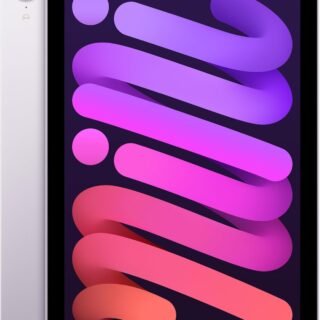 Apple iPad mini (A17 Pro): Apple Intelligence, 8.3-inch Liquid Retina Display, 256GB, Wi-Fi 6E, 12MP Front/12MP Back Camera, Touch ID, All-Day Battery Life — Purple
-
 Apple AirPods Max Wireless Over-Ear Headphones, Active Noise Cancelling, Transparency Mode, Personalized Spatial Audio, Dolby Atmos, Bluetooth Headphones for iPhone – Space Gray
-
 Apple AirPods Pro 2 Wireless Earbuds, Active Noise Cancellation, Hearing Aid Feature, Bluetooth Headphones, Transparency, Personalized Spatial Audio, High-Fidelity Sound, H2 Chip, USB-C Charging
-
Home Garage 210 TC Cotton King Floral Fitted (Elastic) Bedsheet(Pack of 1, Grey)
Original price was: ₹999.00.₹299.00Current price is: ₹299.00.
Leave a Reply