Category
Popular Articles
- AI (20)
- Android (52)
- App Suggest (13)
- Apple (42)
- Apple TV (4)
- Bluetooth (3)
- Cars (2)
- ChatGpt (1)
- Chrome (3)
- Did you know? (1)
- E-Commerce News (1)
- Ecommerce Websites business (7)
- Electronics Shopping (5)
- Fashion Tips (3)
- Gaming (7)
- Google Gemini (3)
- Hair Care Tips (2)
- How to (13)
- iCloud (1)
- Infotainment System (1)
- Iphone (150)
- Job Posting (1)
- Lifestyle (3)
- Mac (25)
- Mobile Games (1)
- Netflix (1)
- Online Shopping Websites (2)
- Personal Finance Management (3)
- Product Reviews (3)
- Roku TV (4)
- Samsung (10)
- Shopping Tips (13)
- Spotify (1)
- Tech (162)
- VPN (2)
- Windows 11 (86)
- Youtube (1)
- Zero Waste (3)
Discounted Products
-

Leo Creation 144 TC Cotton Double Jaipuri Prints Flat Bedsheet(Pack of 1, Blue, Gree, Red, Grey, Light Grey)
₹2,999.00Original price was: ₹2,999.00.₹329.00Current price is: ₹329.00. -
Home Garage 210 TC Cotton King Floral Fitted (Elastic) Bedsheet(Pack of 1, Grey)
₹999.00Original price was: ₹999.00.₹299.00Current price is: ₹299.00. -

Goodrik 140 TC Cotton Double 3D Printed Flat Bedsheet(Pack of 1, Brown)
₹499.00Original price was: ₹499.00.₹229.00Current price is: ₹229.00. -

GLOBALSHOP 350 TC Microfiber Double Floral Flat Bedsheet(Pack of 1, Multicolor)
₹1,250.00Original price was: ₹1,250.00.₹263.00Current price is: ₹263.00. -
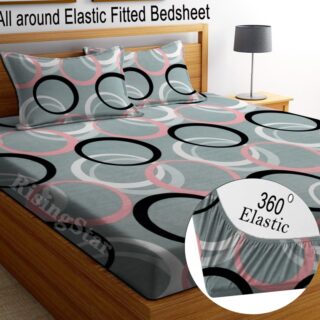
RisingStar 250 TC Microfiber King Printed Fitted (Elastic) Bedsheet(Pack of 1, FITTED-ROUND-CIRCLES-PREMIUM)
₹2,299.00Original price was: ₹2,299.00.₹299.00Current price is: ₹299.00. -

Home Garage 210 TC Cotton King Floral Fitted (Elastic) Bedsheet(Pack of 1, Fitted Black Green)
₹1,299.00Original price was: ₹1,299.00.₹299.00Current price is: ₹299.00. -

Home Garage 180 TC Cotton King 3D Printed Flat Bedsheet(Pack of 1, White)
₹999.00Original price was: ₹999.00.₹229.00Current price is: ₹229.00. -

Home Sizzler 153 cm (5 ft) Polyester Room Darkening Window Curtain (Pack Of 2)(Floral, Maroon)
₹799.00Original price was: ₹799.00.₹299.00Current price is: ₹299.00. -

Panipat Textile Hub 152.4 cm (5 ft) Polyester Window Curtain (Pack Of 2)(Solid, Aqua)
₹1,899.00Original price was: ₹1,899.00.₹299.00Current price is: ₹299.00. -
Home Sizzler 214 cm (7 ft) Polyester Semi Transparent Door Curtain (Pack Of 2)(Floral, Maroon)
₹1,199.00Original price was: ₹1,199.00.₹399.00Current price is: ₹399.00. -

Home Sizzler 153 cm (5 ft) Polyester Room Darkening Window Curtain (Pack Of 2)(Floral, Brown)
₹799.00Original price was: ₹799.00.₹299.00Current price is: ₹299.00. -

Stella Creations 214 cm (7 ft) Polyester Room Darkening Door Curtain (Pack Of 2)(Abstract, Brown)
₹1,299.00Original price was: ₹1,299.00.₹449.00Current price is: ₹449.00. -

Homefab India 152.5 cm (5 ft) Polyester Room Darkening Window Curtain (Pack Of 2)(Floral, Light Blue)
₹1,199.00Original price was: ₹1,199.00.₹319.00Current price is: ₹319.00. -

Urban Home 214 cm (7 ft) PVC Transparent Door Curtain Single Curtain(Solid, Off White)
₹699.00Original price was: ₹699.00.₹203.00Current price is: ₹203.00. -

Panipat Textile Hub 213 cm (7 ft) Polyester Door Curtain (Pack Of 2)(Solid, Brown)
₹1,199.00Original price was: ₹1,199.00.₹349.00Current price is: ₹349.00.
Affiliate Links
Promotion
Hi, I’m Jessica, and I still remember the time I tweaked a Local Group Policy setting on my Windows 11 system thinking it would “optimize performance.” Instead, I ended up locking myself out of certain features, breaking system behavior, and spending hours trying to figure out what went wrong.
If you’ve landed here, chances are you’re dealing with something similar—unexpected restrictions, missing settings, or system instability after changing Group Policy.
The good news is that resetting Local Group Policy settings to default is absolutely possible, and you don’t need to be an IT expert to do it. This guide walks you through practical, safe, and effective ways to restore your system policies back to their original state so your Windows 11 system behaves normally again.
What Are Local Group Policy Settings in Windows 11
Local Group Policy settings in Windows 11 are advanced configuration tools that allow users and administrators to control how the operating system behaves. These settings are primarily accessed through the Local Group Policy Editor and are commonly used in enterprise environments, but they are also available in certain versions of Windows 11 like Pro, Enterprise, and Education. They allow you to enforce rules such as disabling access to Control Panel, restricting USB devices, managing updates, and controlling security policies.
Unlike regular settings found in the Settings app, Group Policy works at a deeper system level. It modifies registry configurations in a structured and controlled way. While this makes it powerful, it also means that incorrect changes can lead to serious usability issues. For example, you might disable system features unknowingly or restrict user permissions unintentionally.
Understanding what Local Group Policy does is crucial before attempting a reset. When things go wrong, resetting these policies essentially removes custom configurations and restores the system to its default state. This is particularly helpful if troubleshooting becomes difficult due to multiple conflicting policy changes.
Common Reasons to Reset Group Policy Settings
There are several situations where resetting Local Group Policy settings becomes necessary. One of the most common reasons is accidental misconfiguration. Many users explore Group Policy settings to tweak performance or security, but without complete knowledge, they may end up disabling critical features. This can result in restricted system access, broken apps, or missing functionality.
Another reason is malware or unwanted software. Some malicious programs modify Group Policy settings to prevent users from accessing system tools like Task Manager, Registry Editor, or Windows Security. Even after removing the malware, these policy changes may persist, causing continued issues.
System administrators or IT professionals may also apply policies for testing or temporary restrictions. If these are not reverted properly, they can interfere with regular system usage later. Additionally, upgrading Windows or applying system updates can sometimes create conflicts with existing Group Policy configurations.
Resetting Group Policy provides a clean slate. Instead of manually identifying each problematic setting, which can be time-consuming and complex, a full reset ensures that all policies revert to default behavior, eliminating conflicts and restoring system stability efficiently.
Important Things to Know Before Resetting Policies
Before you proceed with resetting Local Group Policy settings, there are a few important considerations to keep in mind. First, resetting policies will remove all custom configurations. If you or your organization has intentionally applied specific policies for security, access control, or system management, those will be lost. It’s a good idea to document or back up important settings before proceeding.
Secondly, Local Group Policy Editor is not available in Windows 11 Home edition by default. If you’re using Home, you might not have direct access unless you’ve manually enabled it using third-party methods. However, policy-related files still exist in the system and can be reset using command-line methods.
Another key point is administrative privileges. Resetting Group Policy requires administrator access because it involves modifying system-level files and configurations. Make sure you are logged in with an admin account.
Lastly, always ensure your system is stable and not in the middle of critical operations like updates or installations. Resetting policies during such times could lead to unintended issues. Preparing properly ensures a smooth and safe reset process.
Method 1: Reset Group Policy Using Command Prompt
One of the most effective ways to reset Local Group Policy settings in Windows 11 is by using the Command Prompt. This method works by deleting the folders where Group Policy configurations are stored, forcing Windows to recreate them with default values.
To begin, open Command Prompt as an administrator. You can do this by searching for “cmd” in the Start menu, right-clicking it, and selecting “Run as administrator.” Once the command window opens, you will enter specific commands to remove existing policy files.
The first command deletes user-specific policy settings, while the second command removes system-wide policies. After executing these commands, you will need to refresh the Group Policy settings using another command that forces Windows to reapply default configurations.
This method is quick and highly effective because it removes all existing policy configurations at once. However, it’s important to understand that this is a complete reset. Any custom rules or restrictions you previously set will be permanently removed, so proceed with caution if you rely on specific configurations.
Method 2: Reset Group Policy via File Explorer
Another way to reset Local Group Policy settings is by manually deleting policy files using File Explorer. This method is useful for users who prefer a visual approach rather than working with command-line tools.
Start by opening File Explorer and navigating to the system drive, usually the C: drive. From there, go to the Windows folder and locate the System32 directory. Inside this directory, you will find a folder named “GroupPolicy” and another called “GroupPolicyUsers.” These folders store all Local Group Policy configurations.
To reset the policies, you need to delete both folders. This action removes all existing policy settings from your system. After deleting them, restart your computer. During the reboot process, Windows will automatically recreate these folders with default configurations.
This method is straightforward and effective, but you must ensure that you have administrative permissions. Also, be careful not to delete any other system files accidentally, as that could cause system instability. Always double-check the folder names before proceeding with deletion.
Method 3: Use Local Group Policy Editor to Revert Settings
If you prefer a more controlled approach, you can manually reset Local Group Policy settings using the Local Group Policy Editor. This method is ideal if you want to review and revert specific settings rather than performing a complete reset.
Open the Local Group Policy Editor by pressing Windows + R, typing “gpedit.msc,” and pressing Enter. Once the editor opens, navigate through the categories such as Administrative Templates under both Computer Configuration and User Configuration.
Each policy setting has three possible states: Not Configured, Enabled, or Disabled. The default state is “Not Configured.” To reset policies, you need to go through each configured setting and change it back to “Not Configured.”
While this method provides precision, it can be time-consuming if many policies have been modified. However, it is useful when you want to keep certain configurations intact while fixing only problematic ones. This approach is especially helpful for advanced users who understand which policies need adjustment.
How to Force Apply Default Policies After Reset
After resetting Local Group Policy settings using any method, it is important to ensure that the system applies the default configurations properly. This is done using a command that refreshes Group Policy settings.
Open Command Prompt as an administrator and run the policy update command. This forces Windows to reload all policy configurations and apply the default settings immediately. Without this step, some changes may not take effect until the next system restart.
In many cases, restarting your computer is also recommended after resetting policies. This ensures that all services and system components recognize the updated configurations and function correctly.
For enterprise or network environments, policy updates may also be influenced by domain controllers. However, for local systems, this step ensures that your reset process is fully completed. Skipping this step can result in lingering issues or partial resets, which may confuse troubleshooting efforts.
Troubleshooting Issues After Resetting Policies
Sometimes, even after resetting Local Group Policy settings, certain issues may persist. This can happen if other system configurations, registry entries, or third-party software are interfering with normal functionality.
One common issue is that settings appear unchanged. In such cases, double-check whether the reset process was completed correctly and whether the policy update command was executed. Restarting the system again can also help resolve lingering problems.
Another possibility is that system corruption exists beyond Group Policy settings. Running system repair tools can help identify and fix such issues. Additionally, check if any third-party security software is enforcing restrictions that mimic Group Policy behavior.
If problems continue, consider creating a new user account to determine whether the issue is user-specific. This can help isolate whether the problem lies in user-level policies or system-wide configurations. Troubleshooting methodically ensures that you identify the root cause rather than repeatedly resetting policies without results.
Differences Between Local and Domain Group Policies
Understanding the difference between Local Group Policy and Domain Group Policy is essential, especially if your system is part of an organization. Local Group Policy applies only to a single computer, while Domain Group Policy is managed centrally through a network server.
If your Windows 11 system is connected to a domain, resetting Local Group Policy may not permanently remove certain restrictions. This is because domain-level policies can override local settings and reapply configurations automatically.
In such cases, even after performing a reset, policies may revert back after a system restart or policy refresh. To resolve this, you would need to contact your system administrator or modify domain policies from the server side.
For personal or standalone systems, Local Group Policy reset works effectively because there is no external control overriding the settings. Knowing this distinction helps avoid confusion when policies seem to “reappear” after resetting them.
Best Practices to Avoid Future Policy Issues
To prevent issues with Local Group Policy settings in the future, it is important to follow best practices when making changes. First, always research a policy setting before modifying it. Understanding its impact can help you avoid unintended consequences.
Second, make changes gradually rather than applying multiple configurations at once. This makes it easier to identify which change caused a problem if something goes wrong. Keeping a record of changes is also helpful for troubleshooting.
Using system restore points is another smart practice. Before making significant changes to Group Policy, create a restore point so you can revert your system if needed. This provides an additional safety net.
Lastly, avoid using untrusted tools or scripts that modify Group Policy settings automatically. These can introduce unknown changes that are difficult to reverse. By following these practices, you can safely use Group Policy without risking system stability.
When You Should Avoid Resetting Group Policy
Although resetting Local Group Policy settings is helpful in many situations, there are times when it may not be the best solution. For example, if your system is managed by an organization, resetting policies could violate administrative rules or disrupt required configurations.
Similarly, if you rely on specific policies for security or workflow purposes, a full reset may remove essential restrictions. In such cases, it is better to identify and fix only the problematic settings rather than resetting everything.
Resetting should also be avoided if the issue you are facing is unrelated to Group Policy. For instance, software bugs, driver issues, or hardware problems will not be resolved by resetting policies. Misdiagnosing the problem can lead to unnecessary changes without fixing the root cause.
Understanding when not to reset is just as important as knowing how to do it. This ensures that you use the right solution for the right problem and maintain system efficiency.
Disclaimer
The information provided in this guide on how to reset Local Group Policy settings to default on Windows 11 is intended for educational and informational purposes only. While every effort has been made to ensure accuracy, system configurations may vary depending on your device, Windows version, and administrative settings. Always proceed with caution when modifying system-level configurations. It is recommended to back up important data and settings before making changes. The author is not responsible for any data loss, system issues, or unintended consequences resulting from the use of this guide.
Written by Bazaronweb
Latest Tech Articles
- How to Reset Local Group Policy Settings to Default on Windows 11

- How to Check If a Disk Drive is GPT or MBR in Windows (Step-by-Step Guide for Beginners)

- 5 Ways to Reset Graphics Card on Windows 11 to Fix Gaming and Display Issues Fast

- Can’t Download or Update Apps from Google Play Store? 7 Proven Fixes That Actually Work

- How to Fix ‘Driver Power State Failure’ BSOD Error on Windows (Complete Guide)

Products
-
Apple Watch Ultra 3 [GPS + Cellular 49mm] Running & Multisport Smartwatch w/Rugged Titanium Case w/Black Titanium Milanese Loop - M. Satellite Communications, Advanced Health & Fitness Tracking
-
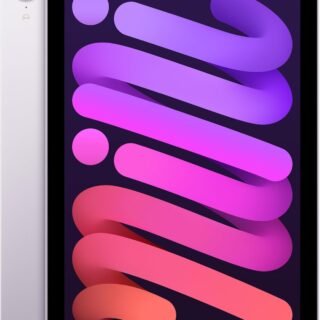
Apple iPad mini (A17 Pro): Apple Intelligence, 8.3-inch Liquid Retina Display, 256GB, Wi-Fi 6E, 12MP Front/12MP Back Camera, Touch ID, All-Day Battery Life — Purple
-
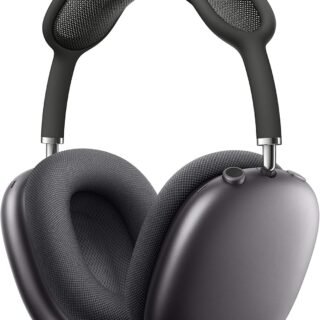
Apple AirPods Max Wireless Over-Ear Headphones, Active Noise Cancelling, Transparency Mode, Personalized Spatial Audio, Dolby Atmos, Bluetooth Headphones for iPhone – Space Gray
-
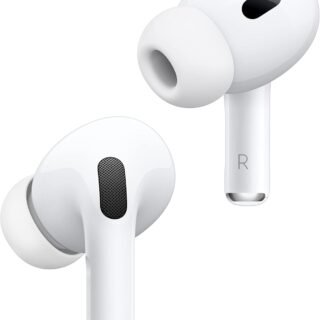
Apple AirPods Pro 2 Wireless Earbuds, Active Noise Cancellation, Hearing Aid Feature, Bluetooth Headphones, Transparency, Personalized Spatial Audio, High-Fidelity Sound, H2 Chip, USB-C Charging
-
Leo Creation 144 TC Cotton Double Jaipuri Prints Flat Bedsheet(Pack of 1, Blue, Gree, Red, Grey, Light Grey)
₹2,999.00Original price was: ₹2,999.00.₹329.00Current price is: ₹329.00.
Leave a Reply