Discounted Products
-
 Home Garage 210 TC Cotton King Floral Fitted (Elastic) Bedsheet(Pack of 1, Grey)
Original price was: ₹999.00.₹299.00Current price is: ₹299.00.
Home Garage 210 TC Cotton King Floral Fitted (Elastic) Bedsheet(Pack of 1, Grey)
Original price was: ₹999.00.₹299.00Current price is: ₹299.00.
-
 Goodrik 140 TC Cotton Double 3D Printed Flat Bedsheet(Pack of 1, Brown)
Original price was: ₹499.00.₹229.00Current price is: ₹229.00.
Goodrik 140 TC Cotton Double 3D Printed Flat Bedsheet(Pack of 1, Brown)
Original price was: ₹499.00.₹229.00Current price is: ₹229.00.
-
 GLOBALSHOP 350 TC Microfiber Double Floral Flat Bedsheet(Pack of 1, Multicolor)
Original price was: ₹1,250.00.₹263.00Current price is: ₹263.00.
GLOBALSHOP 350 TC Microfiber Double Floral Flat Bedsheet(Pack of 1, Multicolor)
Original price was: ₹1,250.00.₹263.00Current price is: ₹263.00.
-
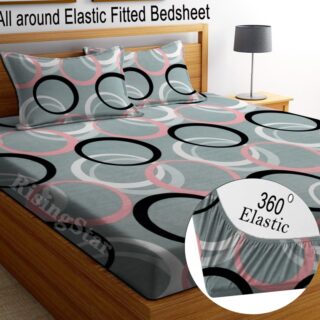 RisingStar 250 TC Microfiber King Printed Fitted (Elastic) Bedsheet(Pack of 1, FITTED-ROUND-CIRCLES-PREMIUM)
Original price was: ₹2,299.00.₹299.00Current price is: ₹299.00.
RisingStar 250 TC Microfiber King Printed Fitted (Elastic) Bedsheet(Pack of 1, FITTED-ROUND-CIRCLES-PREMIUM)
Original price was: ₹2,299.00.₹299.00Current price is: ₹299.00.
-
 Home Garage 210 TC Cotton King Floral Fitted (Elastic) Bedsheet(Pack of 1, Fitted Black Green)
Original price was: ₹1,299.00.₹299.00Current price is: ₹299.00.
Home Garage 210 TC Cotton King Floral Fitted (Elastic) Bedsheet(Pack of 1, Fitted Black Green)
Original price was: ₹1,299.00.₹299.00Current price is: ₹299.00.
-
 Home Garage 180 TC Cotton King 3D Printed Flat Bedsheet(Pack of 1, White)
Original price was: ₹999.00.₹229.00Current price is: ₹229.00.
Home Garage 180 TC Cotton King 3D Printed Flat Bedsheet(Pack of 1, White)
Original price was: ₹999.00.₹229.00Current price is: ₹229.00.
-
 Panipat Textile Hub 152.4 cm (5 ft) Polyester Window Curtain (Pack Of 2)(Solid, Aqua)
Original price was: ₹1,899.00.₹299.00Current price is: ₹299.00.
Panipat Textile Hub 152.4 cm (5 ft) Polyester Window Curtain (Pack Of 2)(Solid, Aqua)
Original price was: ₹1,899.00.₹299.00Current price is: ₹299.00.
-
 Home Sizzler 214 cm (7 ft) Polyester Semi Transparent Door Curtain (Pack Of 2)(Floral, Maroon)
Original price was: ₹1,199.00.₹399.00Current price is: ₹399.00.
Home Sizzler 214 cm (7 ft) Polyester Semi Transparent Door Curtain (Pack Of 2)(Floral, Maroon)
Original price was: ₹1,199.00.₹399.00Current price is: ₹399.00.
-
 Home Sizzler 153 cm (5 ft) Polyester Room Darkening Window Curtain (Pack Of 2)(Floral, Brown)
Original price was: ₹799.00.₹299.00Current price is: ₹299.00.
Home Sizzler 153 cm (5 ft) Polyester Room Darkening Window Curtain (Pack Of 2)(Floral, Brown)
Original price was: ₹799.00.₹299.00Current price is: ₹299.00.
-
 Stella Creations 214 cm (7 ft) Polyester Room Darkening Door Curtain (Pack Of 2)(Abstract, Brown)
Original price was: ₹1,299.00.₹449.00Current price is: ₹449.00.
Stella Creations 214 cm (7 ft) Polyester Room Darkening Door Curtain (Pack Of 2)(Abstract, Brown)
Original price was: ₹1,299.00.₹449.00Current price is: ₹449.00.
-
 Homefab India 152.5 cm (5 ft) Polyester Room Darkening Window Curtain (Pack Of 2)(Floral, Light Blue)
Original price was: ₹1,199.00.₹319.00Current price is: ₹319.00.
Homefab India 152.5 cm (5 ft) Polyester Room Darkening Window Curtain (Pack Of 2)(Floral, Light Blue)
Original price was: ₹1,199.00.₹319.00Current price is: ₹319.00.
-
 Urban Home 214 cm (7 ft) PVC Transparent Door Curtain Single Curtain(Solid, Off White)
Original price was: ₹699.00.₹203.00Current price is: ₹203.00.
Urban Home 214 cm (7 ft) PVC Transparent Door Curtain Single Curtain(Solid, Off White)
Original price was: ₹699.00.₹203.00Current price is: ₹203.00.
-
 Panipat Textile Hub 213 cm (7 ft) Polyester Door Curtain (Pack Of 2)(Solid, Brown)
Original price was: ₹1,199.00.₹349.00Current price is: ₹349.00.
Panipat Textile Hub 213 cm (7 ft) Polyester Door Curtain (Pack Of 2)(Solid, Brown)
Original price was: ₹1,199.00.₹349.00Current price is: ₹349.00.
-
 Home Sizzler 214 cm (7 ft) Polyester Semi Transparent Door Curtain (Pack Of 2)(Floral, Brown)
Original price was: ₹999.00.₹349.00Current price is: ₹349.00.
Home Sizzler 214 cm (7 ft) Polyester Semi Transparent Door Curtain (Pack Of 2)(Floral, Brown)
Original price was: ₹999.00.₹349.00Current price is: ₹349.00.
-
 Panipat Textile Hub 213 cm (7 ft) Polyester Semi Transparent Door Curtain (Pack Of 2)(Floral, Brown)
Original price was: ₹899.00.₹299.00Current price is: ₹299.00.
Panipat Textile Hub 213 cm (7 ft) Polyester Semi Transparent Door Curtain (Pack Of 2)(Floral, Brown)
Original price was: ₹899.00.₹299.00Current price is: ₹299.00.
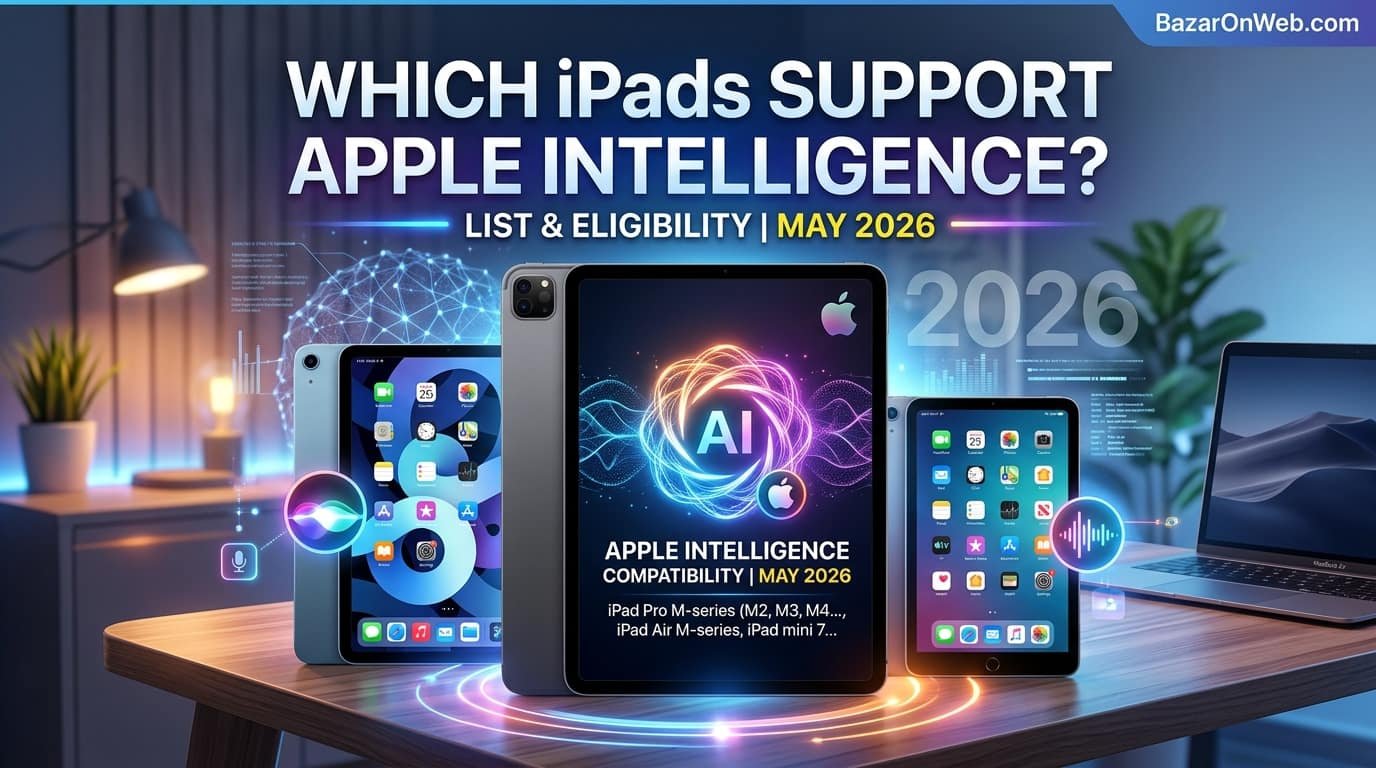
Hi, I’m Jessica, and if you’ve been shopping for a new iPad lately, you’ve probably noticed that Apple Intelligence has become one of the biggest deciding factors when choosing a device. Whether you use your iPad for work, school, content creation, entertainment, or managing family schedules, Apple’s AI-powered features are now shaping the overall user experience. The biggest question many buyers are asking in May 2026 is simple: which iPads actually support Apple Intelligence, and which models are left behind? The answer matters because Apple Intelligence is not just a small software update. It changes how Siri works, improves writing tools, enhances image editing, summarizes notifications, and introduces advanced AI features across apps. Many older iPads simply do not have the hardware required to run these tools efficiently. Apple currently requires at least 8GB of RAM and newer Apple Silicon chips for proper AI performance, which means only select iPads qualify. If you are planning to upgrade this year, understanding compatibility before spending money can save you from buying a model that may feel outdated sooner than expected.
Apple Intelligence support depends heavily on hardware capabilities rather than just software updates. In May 2026, Apple continues focusing its AI ecosystem around iPads powered by newer Apple Silicon chips and sufficient memory. Buyers searching for future-ready tablets are prioritizing compatibility with AI-driven multitasking, smarter Siri interactions, advanced note summarization, image generation tools, and productivity enhancements designed specifically for modern iPad hardware.
Why Apple Intelligence Requires Newer iPad Hardware
Apple Intelligence is far more demanding than traditional iPadOS features because it relies heavily on on-device AI processing. Instead of sending every request to cloud servers, Apple designed many features to run directly on the iPad itself. This approach improves privacy, reduces latency, and delivers faster results, but it also means the device needs powerful hardware. Apple’s Neural Engine, unified memory architecture, and modern Apple Silicon processors are now central requirements for AI functionality.
One major limitation for older iPads is RAM capacity. Apple Intelligence currently requires at least 8GB of RAM to operate smoothly. Older entry-level iPads and previous-generation models with 4GB or 6GB memory simply cannot manage these AI tasks efficiently. Features like live writing suggestions, contextual Siri understanding, intelligent photo editing, and advanced app integrations consume far more system resources than standard apps.
Another reason newer hardware matters is energy efficiency. AI processing generates additional workload that can drain batteries quickly on weaker devices. The latest iPad chips handle these operations while maintaining battery life and thermal efficiency. Apple wants AI experiences to feel seamless rather than slow or inconsistent.
This hardware-focused strategy also reflects Apple’s long-term ecosystem planning. By limiting Apple Intelligence to newer devices, the company ensures users receive a smoother and more reliable experience instead of struggling with laggy performance on aging hardware.
iPad Air Models That Support Apple Intelligence in 2026
The iPad Air lineup has become one of Apple’s strongest choices for users who want Apple Intelligence without paying full iPad Pro prices. In May 2026, all current-generation iPad Air models support Apple Intelligence because they include Apple Silicon processors and at least 8GB of RAM. These hardware specifications meet Apple’s minimum AI requirements comfortably.
The M2-powered iPad Air models introduced Apple Intelligence compatibility for mainstream users. They delivered enough processing power to handle advanced AI tasks like text summarization, smart photo editing, contextual search, and enhanced Siri features. Apple positioned these devices as ideal for students, professionals, and creative users who wanted premium features without entering Pro territory.
The next-generation iPad Air models released afterward continue supporting Apple Intelligence and are expected to remain compatible with future AI expansions for several years. Apple appears committed to keeping the Air lineup modern and future-ready because it has become a major upgrade option for everyday consumers.
One important reason the iPad Air performs well with Apple Intelligence is its balanced hardware design. The combination of Apple Silicon chips, efficient thermal management, and sufficient RAM allows AI features to operate smoothly during multitasking. Whether users are editing documents, creating presentations, taking handwritten notes, or managing creative workflows, the AI integration feels responsive and practical rather than experimental.
For many buyers in 2026, the iPad Air represents the sweet spot between affordability, portability, and long-term AI compatibility.
Which iPad Pro Models Support Apple Intelligence
The iPad Pro lineup represents Apple’s most advanced tablet hardware, so it is unsurprising that modern Pro models fully support Apple Intelligence. In May 2026, all recent iPad Pro devices powered by Apple Silicon chips are compatible with Apple’s AI platform. This includes M1, M2, M3, and newer Pro variants introduced in recent years.
Apple Intelligence works exceptionally well on iPad Pro devices because these tablets were already designed for demanding professional workflows. The powerful processors, larger RAM configurations, and advanced display technologies make AI features feel more integrated and efficient. Tasks like generating summaries, organizing files, improving handwriting recognition, and editing images happen rapidly without noticeable slowdowns.
Creative professionals particularly benefit from Apple Intelligence on the iPad Pro. Designers can use AI-enhanced editing tools while working on high-resolution projects. Video editors gain smarter media organization and productivity improvements. Students and business users benefit from advanced note summarization, contextual search, and multitasking assistance.
Another advantage of the iPad Pro is longevity. Apple tends to support Pro devices with software updates longer than entry-level models. Since these tablets already exceed Apple Intelligence hardware requirements, buyers investing in an iPad Pro today are likely to enjoy AI compatibility for many future iPadOS versions.
Although the iPad Pro is more expensive than other iPads, it remains the strongest option for users who want the best possible Apple Intelligence experience combined with premium performance and future-proof hardware.
Do Standard iPad Models Support Apple Intelligence
The standard entry-level iPad lineup faces the biggest compatibility limitations regarding Apple Intelligence. In May 2026, many base iPad models still do not support Apple Intelligence because they lack the required hardware specifications. Most importantly, several standard iPads do not include enough RAM or sufficiently advanced processors for Apple’s AI system.
Apple currently prioritizes devices with Apple Silicon architecture and 8GB RAM minimums. Many budget-oriented iPads were designed primarily for casual browsing, streaming, educational tasks, and light productivity. While these devices still handle traditional iPadOS functions effectively, they are not optimized for advanced on-device AI processing.
This creates confusion among buyers because some standard iPads may still receive the latest iPadOS updates without supporting Apple Intelligence features. Users may install the newest software version but discover that AI tools remain unavailable. Apple labels this clearly in device specifications, but many consumers overlook the distinction during purchase decisions.
For families or users with basic needs, a standard iPad can still offer excellent value. Watching videos, attending online classes, browsing the web, and using everyday apps remain smooth experiences. However, anyone specifically interested in Apple Intelligence should carefully verify compatibility before purchasing.
The gap between entry-level iPads and premium models has widened significantly because AI capabilities now play a central role in Apple’s product strategy. Buyers expecting future-ready functionality may find the standard iPad lineup less attractive compared to the increasingly capable iPad Air series.
Why 8GB RAM Matters for Apple Intelligence
RAM has become one of the most important technical specifications for Apple Intelligence compatibility. Apple’s requirement of at least 8GB RAM is not arbitrary. AI features process large amounts of information simultaneously, and insufficient memory can severely affect performance, responsiveness, and multitasking stability.
Traditional iPad tasks such as browsing, streaming, or word processing use relatively small amounts of memory. Apple Intelligence, however, introduces far more demanding workloads. Features like contextual writing assistance, live transcription, intelligent summarization, image generation, and advanced Siri interactions constantly analyze data in real time. These processes require large memory allocations to function smoothly.
Devices with lower RAM capacities may struggle to maintain multiple AI-driven tasks without slowing down. Apps may reload more frequently, background processes may close unexpectedly, and overall responsiveness can decline. Apple wants Apple Intelligence to feel polished and reliable, which is why it restricts compatibility to hardware capable of maintaining that standard.
The 8GB RAM requirement also improves future scalability. Apple continues expanding AI features with every software update, meaning memory demands will likely increase over time. Devices already meeting the minimum requirement are better positioned for future compatibility.
Consumers shopping for an iPad in 2026 should view RAM as a long-term investment rather than a hidden technical detail. A device with sufficient memory will remain useful longer, especially as AI-driven software becomes more deeply integrated into everyday workflows and digital productivity.
Apple Silicon and Its Role in AI Performance
Apple Silicon fundamentally changed the iPad ecosystem by bringing desktop-level performance to tablets. Chips like the M1, M2, and newer generations introduced significantly stronger CPU, GPU, and Neural Engine performance compared to older A-series processors. These advancements directly enabled Apple Intelligence.
The Neural Engine inside Apple Silicon chips is especially important because it handles machine learning tasks efficiently. Instead of relying solely on cloud computing, Apple Intelligence performs many AI operations locally on the device. This improves speed, enhances privacy, and reduces internet dependency. Features like writing suggestions, image recognition, and contextual Siri processing become more responsive because they happen directly on the iPad.
Apple Silicon also improves multitasking performance. Users can run demanding apps while AI tools continue operating in the background without causing major slowdowns. This matters for professionals, students, and creators who frequently switch between applications during complex workflows.
Thermal efficiency is another major advantage. AI processing can generate heat and consume battery life rapidly on weaker hardware. Apple Silicon chips are designed to deliver strong performance while maintaining power efficiency, allowing Apple Intelligence to function smoothly even during extended usage sessions.
The transition to Apple Silicon has effectively created a new generation of iPads focused on longevity and advanced computing. Buyers choosing Apple Silicon-powered iPads today are not simply purchasing faster devices; they are investing in tablets specifically designed for Apple’s expanding AI ecosystem.
Apple Intelligence Features Available on Supported iPads
Supported iPads gain access to a growing collection of Apple Intelligence features designed to improve productivity, creativity, and everyday convenience. One of the most noticeable upgrades is the smarter Siri experience. Siri now understands context more naturally, follows complex instructions better, and interacts more fluidly across apps and workflows.
Writing Tools are another major feature category. Users can summarize long notes, rewrite text in different tones, proofread documents, and generate cleaner drafts directly within compatible applications. This has become especially useful for students, professionals, and content creators who work extensively with written communication.
Photo and image enhancements also play a large role. Apple Intelligence can help organize photo libraries, improve search functionality, remove distractions from images, and assist with creative editing tasks. These tools simplify workflows that previously required separate editing software.
Notification summaries and smart prioritization features reduce information overload by helping users focus on important alerts and messages. This makes multitasking more manageable, especially for people balancing work, school, and personal responsibilities on a single device.
Apple Intelligence also improves note-taking and productivity apps through better handwriting recognition, contextual understanding, and smarter organization tools. Combined with the Apple Pencil ecosystem, supported iPads become significantly more capable for digital learning and professional work.
As Apple expands AI integration across iPadOS, supported devices are expected to receive even more advanced capabilities in future software updates.
Best iPads to Buy for Apple Intelligence in 2026
Choosing the best iPad for Apple Intelligence in 2026 depends heavily on budget, usage needs, and long-term expectations. For most buyers, the iPad Air remains the most balanced choice because it delivers strong AI performance at a more accessible price than the iPad Pro.
The latest iPad Air models offer excellent multitasking capabilities, smooth Apple Intelligence integration, and long-term software support. They are ideal for students, office users, teachers, remote workers, and families wanting future-ready performance without overspending. The Air lineup also maintains good portability and battery life.
For professionals, creators, and power users, the iPad Pro remains unmatched. Its advanced display technology, larger RAM configurations, and top-tier Apple Silicon chips provide the best possible AI experience. Users working with design software, video editing, advanced multitasking, or heavy productivity workloads benefit most from the Pro lineup.
Budget-conscious buyers may still consider the standard iPad, but only if Apple Intelligence is not a priority. While entry-level models remain useful for basic activities, they are less future-proof regarding AI capabilities.
Buyers should also consider storage capacity and accessory compatibility when making decisions. Apple Intelligence features often integrate closely with creative workflows, note-taking, and multitasking, making accessories like the Apple Pencil and Magic Keyboard increasingly valuable additions.
Ultimately, investing in an Apple Intelligence-compatible iPad today provides better longevity and ensures access to Apple’s evolving AI ecosystem over the coming years.
How Apple Intelligence Changes Everyday iPad Usage
Apple Intelligence is gradually transforming the iPad from a traditional tablet into a more adaptive digital assistant. Everyday tasks that once required multiple apps or manual effort are becoming simpler and more automated through AI-powered workflows.
Students benefit from faster research organization, smarter note summaries, and improved study tools. Instead of manually sorting lengthy notes or searching through large documents, Apple Intelligence can identify key points and organize information more efficiently. This saves time and improves productivity during academic work.
Professionals experience similar advantages in email management, document editing, meeting preparation, and multitasking. AI-assisted writing tools help draft messages faster while contextual search capabilities reduce time spent locating files and information. Business users increasingly rely on these features during remote and hybrid work setups.
Families and casual users also gain practical benefits. Siri becomes more conversational and useful for scheduling, reminders, smart home controls, and communication tasks. Notification summaries help reduce distractions while photo organization becomes easier through intelligent categorization and search functions.
Creative workflows continue evolving as well. Artists, designers, and content creators can use AI-enhanced editing tools directly on the iPad without relying entirely on external software solutions. This creates a more streamlined mobile production environment.
As Apple continues expanding AI integration, supported iPads are becoming central productivity and lifestyle devices rather than simple entertainment tablets.
Future of Apple Intelligence on Upcoming iPads
Apple’s long-term strategy clearly indicates that Apple Intelligence will become increasingly central to the iPad experience. Future iPads are expected to feature even more powerful Neural Engines, higher RAM capacities, and deeper AI integration throughout iPadOS.
Industry trends suggest Apple will continue prioritizing on-device AI processing for privacy and speed advantages. This means future hardware requirements may become even more demanding over time. Buyers investing in Apple Intelligence-compatible devices today are positioning themselves for better long-term software support and feature access.
The iPad Air lineup will likely remain Apple’s primary mainstream AI-focused tablet. Its balance of performance, affordability, and portability makes it attractive to a wide audience. Meanwhile, the iPad Pro will continue pushing advanced AI capabilities aimed at professionals and creators.
Future software updates may introduce more personalized AI experiences, enhanced productivity automation, smarter app interactions, and expanded creative tools. Apple is expected to integrate AI more deeply into education, accessibility, communication, and workflow management across the iPad ecosystem.
Consumers should also expect increasing separation between premium and budget devices. As AI features grow more sophisticated, hardware limitations will become even more noticeable on entry-level models. This could encourage more users to upgrade to mid-range or premium iPads sooner than before.
The evolution of Apple Intelligence represents a major shift in how iPads are designed, marketed, and used in daily life, making compatibility an essential consideration for buyers in 2026.
Disclaimer
This article is for informational purposes only and reflects publicly available information and industry expectations regarding Apple Intelligence compatibility as of May 2026. Apple may change hardware requirements, supported devices, software features, or product specifications through future updates and announcements. Buyers should always verify official compatibility details directly from Apple before purchasing an iPad. Product availability, regional features, RAM configurations, and software support timelines may vary depending on model and location.

- Samsung Phone’s Keyboard Not Working? Here’s How to Fix It

- How to Take Screenshot While in Gaming on My Windows 11 PC

- Microsoft Store Blocked on Windows 11 Error 0x800704EC, How to Fix It

- What Is Spotlight Search on Mac and How Do You Open It?

- Windows 11 Lagging After an Update? Here’s How to Fix It

Products
-
![Apple Watch Ultra 3 [GPS + Cellular 49mm] Running & Multisport Smartwatch w/Rugged Titanium Case w/Black Titanium Milanese Loop - M. Satellite Communications, Advanced Health & Fitness Tracking](https://bazaronweb.com/retailstores/wp-content/uploads/2025/09/apple-watch-320x320.jpg) Apple Watch Ultra 3 [GPS + Cellular 49mm] Running & Multisport Smartwatch w/Rugged Titanium Case w/Black Titanium Milanese Loop - M. Satellite Communications, Advanced Health & Fitness Tracking
Apple Watch Ultra 3 [GPS + Cellular 49mm] Running & Multisport Smartwatch w/Rugged Titanium Case w/Black Titanium Milanese Loop - M. Satellite Communications, Advanced Health & Fitness Tracking
-
 Apple iPad mini (A17 Pro): Apple Intelligence, 8.3-inch Liquid Retina Display, 256GB, Wi-Fi 6E, 12MP Front/12MP Back Camera, Touch ID, All-Day Battery Life — Purple
-
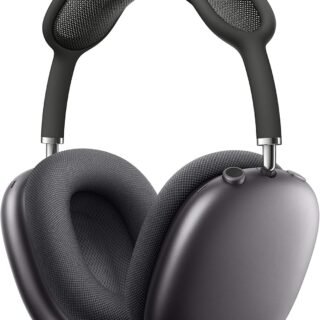 Apple AirPods Max Wireless Over-Ear Headphones, Active Noise Cancelling, Transparency Mode, Personalized Spatial Audio, Dolby Atmos, Bluetooth Headphones for iPhone – Space Gray
-
 Apple AirPods Pro 2 Wireless Earbuds, Active Noise Cancellation, Hearing Aid Feature, Bluetooth Headphones, Transparency, Personalized Spatial Audio, High-Fidelity Sound, H2 Chip, USB-C Charging
-
Home Garage 210 TC Cotton King Floral Fitted (Elastic) Bedsheet(Pack of 1, Grey)
Original price was: ₹999.00.₹299.00Current price is: ₹299.00.
Leave a Reply