Discounted Products
-
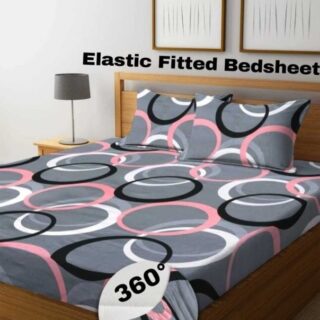 Home Garage 210 TC Cotton King Floral Fitted (Elastic) Bedsheet(Pack of 1, Grey)
Original price was: ₹999.00.₹299.00Current price is: ₹299.00.
Home Garage 210 TC Cotton King Floral Fitted (Elastic) Bedsheet(Pack of 1, Grey)
Original price was: ₹999.00.₹299.00Current price is: ₹299.00.
-
 Goodrik 140 TC Cotton Double 3D Printed Flat Bedsheet(Pack of 1, Brown)
Original price was: ₹499.00.₹229.00Current price is: ₹229.00.
Goodrik 140 TC Cotton Double 3D Printed Flat Bedsheet(Pack of 1, Brown)
Original price was: ₹499.00.₹229.00Current price is: ₹229.00.
-
 GLOBALSHOP 350 TC Microfiber Double Floral Flat Bedsheet(Pack of 1, Multicolor)
Original price was: ₹1,250.00.₹263.00Current price is: ₹263.00.
GLOBALSHOP 350 TC Microfiber Double Floral Flat Bedsheet(Pack of 1, Multicolor)
Original price was: ₹1,250.00.₹263.00Current price is: ₹263.00.
-
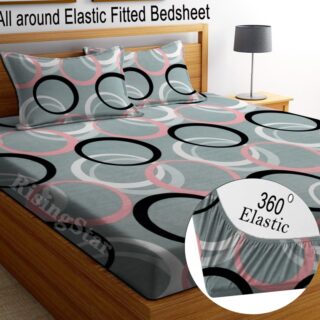 RisingStar 250 TC Microfiber King Printed Fitted (Elastic) Bedsheet(Pack of 1, FITTED-ROUND-CIRCLES-PREMIUM)
Original price was: ₹2,299.00.₹299.00Current price is: ₹299.00.
RisingStar 250 TC Microfiber King Printed Fitted (Elastic) Bedsheet(Pack of 1, FITTED-ROUND-CIRCLES-PREMIUM)
Original price was: ₹2,299.00.₹299.00Current price is: ₹299.00.
-
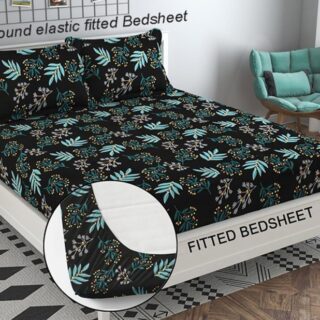 Home Garage 210 TC Cotton King Floral Fitted (Elastic) Bedsheet(Pack of 1, Fitted Black Green)
Original price was: ₹1,299.00.₹299.00Current price is: ₹299.00.
Home Garage 210 TC Cotton King Floral Fitted (Elastic) Bedsheet(Pack of 1, Fitted Black Green)
Original price was: ₹1,299.00.₹299.00Current price is: ₹299.00.
-
 Home Garage 180 TC Cotton King 3D Printed Flat Bedsheet(Pack of 1, White)
Original price was: ₹999.00.₹229.00Current price is: ₹229.00.
Home Garage 180 TC Cotton King 3D Printed Flat Bedsheet(Pack of 1, White)
Original price was: ₹999.00.₹229.00Current price is: ₹229.00.
-
 Panipat Textile Hub 152.4 cm (5 ft) Polyester Window Curtain (Pack Of 2)(Solid, Aqua)
Original price was: ₹1,899.00.₹299.00Current price is: ₹299.00.
Panipat Textile Hub 152.4 cm (5 ft) Polyester Window Curtain (Pack Of 2)(Solid, Aqua)
Original price was: ₹1,899.00.₹299.00Current price is: ₹299.00.
-
 Home Sizzler 214 cm (7 ft) Polyester Semi Transparent Door Curtain (Pack Of 2)(Floral, Maroon)
Original price was: ₹1,199.00.₹399.00Current price is: ₹399.00.
Home Sizzler 214 cm (7 ft) Polyester Semi Transparent Door Curtain (Pack Of 2)(Floral, Maroon)
Original price was: ₹1,199.00.₹399.00Current price is: ₹399.00.
-
 Home Sizzler 153 cm (5 ft) Polyester Room Darkening Window Curtain (Pack Of 2)(Floral, Brown)
Original price was: ₹799.00.₹299.00Current price is: ₹299.00.
Home Sizzler 153 cm (5 ft) Polyester Room Darkening Window Curtain (Pack Of 2)(Floral, Brown)
Original price was: ₹799.00.₹299.00Current price is: ₹299.00.
-
 Stella Creations 214 cm (7 ft) Polyester Room Darkening Door Curtain (Pack Of 2)(Abstract, Brown)
Original price was: ₹1,299.00.₹449.00Current price is: ₹449.00.
Stella Creations 214 cm (7 ft) Polyester Room Darkening Door Curtain (Pack Of 2)(Abstract, Brown)
Original price was: ₹1,299.00.₹449.00Current price is: ₹449.00.
-
 Homefab India 152.5 cm (5 ft) Polyester Room Darkening Window Curtain (Pack Of 2)(Floral, Light Blue)
Original price was: ₹1,199.00.₹319.00Current price is: ₹319.00.
Homefab India 152.5 cm (5 ft) Polyester Room Darkening Window Curtain (Pack Of 2)(Floral, Light Blue)
Original price was: ₹1,199.00.₹319.00Current price is: ₹319.00.
-
 Urban Home 214 cm (7 ft) PVC Transparent Door Curtain Single Curtain(Solid, Off White)
Original price was: ₹699.00.₹203.00Current price is: ₹203.00.
Urban Home 214 cm (7 ft) PVC Transparent Door Curtain Single Curtain(Solid, Off White)
Original price was: ₹699.00.₹203.00Current price is: ₹203.00.
-
 Panipat Textile Hub 213 cm (7 ft) Polyester Door Curtain (Pack Of 2)(Solid, Brown)
Original price was: ₹1,199.00.₹349.00Current price is: ₹349.00.
Panipat Textile Hub 213 cm (7 ft) Polyester Door Curtain (Pack Of 2)(Solid, Brown)
Original price was: ₹1,199.00.₹349.00Current price is: ₹349.00.
-
 Home Sizzler 214 cm (7 ft) Polyester Semi Transparent Door Curtain (Pack Of 2)(Floral, Brown)
Original price was: ₹999.00.₹349.00Current price is: ₹349.00.
Home Sizzler 214 cm (7 ft) Polyester Semi Transparent Door Curtain (Pack Of 2)(Floral, Brown)
Original price was: ₹999.00.₹349.00Current price is: ₹349.00.
-
 Panipat Textile Hub 213 cm (7 ft) Polyester Semi Transparent Door Curtain (Pack Of 2)(Floral, Brown)
Original price was: ₹899.00.₹299.00Current price is: ₹299.00.
Panipat Textile Hub 213 cm (7 ft) Polyester Semi Transparent Door Curtain (Pack Of 2)(Floral, Brown)
Original price was: ₹899.00.₹299.00Current price is: ₹299.00.
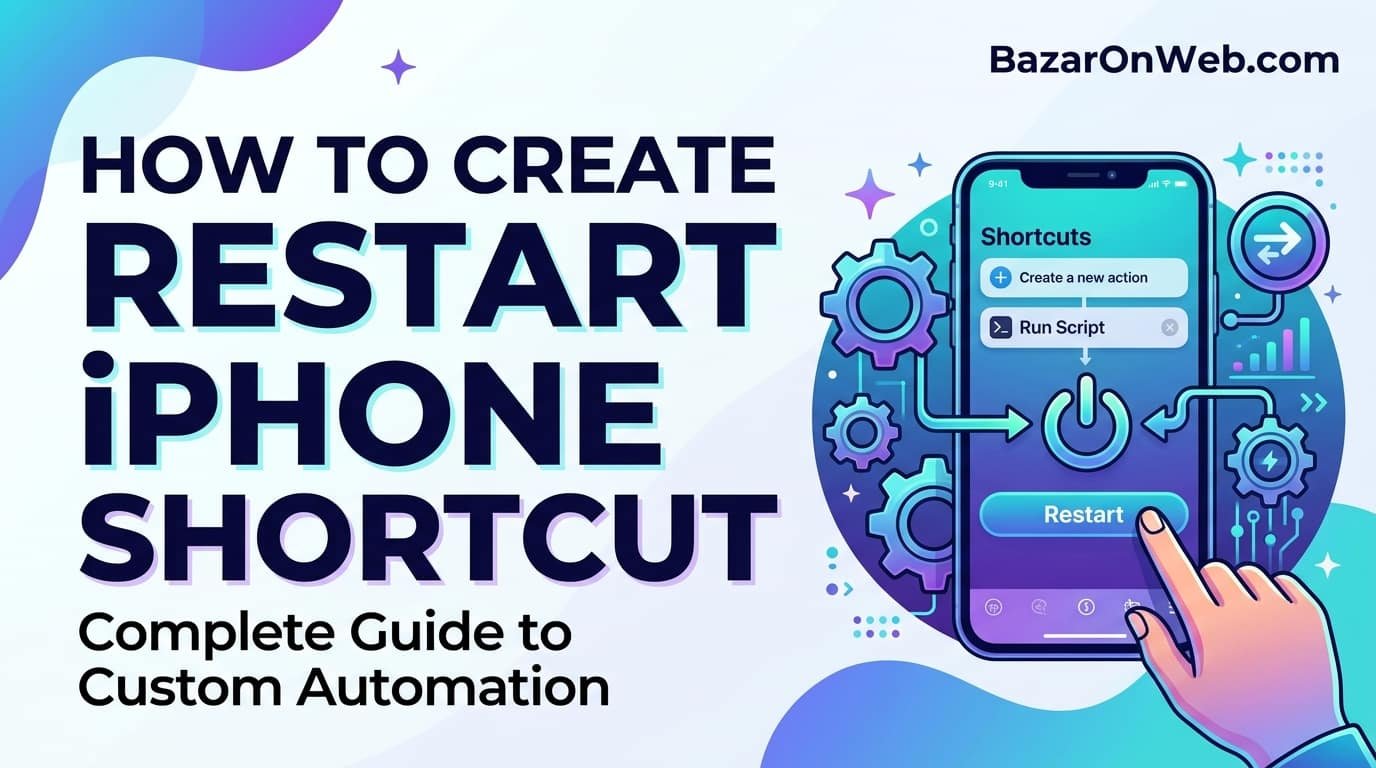
I recently discovered that I could create a custom shortcut to restart my iPhone, and honestly, it’s become one of my favorite productivity hacks. As someone who’s always looking for ways to streamline my device management, having a quick restart option has proven incredibly useful—especially when my iPhone acts sluggish or I need to clear its memory before an important video call. The ability to create custom shortcuts has been one of Apple’s best features, and most users don’t realize how powerful this automation tool truly is. If you’ve ever wished you could restart your iPhone with a single tap instead of navigating through settings, or wanted to schedule automatic restarts for maintenance, you’re going to love what I’m about to show you.
Creating an iPhone restart shortcut is surprisingly straightforward, even if you’ve never used the Shortcuts app before. Whether you want a simple one-tap restart button or a more sophisticated setup with confirmation prompts and scheduled automation, I’ll walk you through every step of the process. The best part? You can add your restart shortcut directly to your Control Center, making it accessible from anywhere on your phone without hunting through apps. In this comprehensive guide, I’ll explain why restart shortcuts are useful, show you exactly how to build them from scratch, demonstrate how to integrate them into your Control Center for maximum convenience, and share advanced techniques for scheduling automatic restarts. By the end of this article, you’ll have complete control over your iPhone’s restart functionality.
1. Understanding iPhone Shortcuts: A Powerful Automation Tool
The Shortcuts app on your iPhone is Apple’s powerful automation platform that lets you create custom workflows and automate repetitive tasks. Think of it as a visual programming language designed specifically for iPhone users without requiring coding knowledge. Each shortcut consists of building blocks or “actions” that you stack together to create a workflow. These actions can interact with your iPhone’s features—like restarting it, opening apps, sending messages, controlling smart home devices, or manipulating files. The Shortcuts app comes pre-installed on newer iPhones, though you can also download it free from the App Store if you have an older device.
What makes Shortcuts truly remarkable is its flexibility. You can create simple one-action shortcuts that do just one thing, like restart your iPhone, or build complex workflows with dozens of conditions and variables that respond to your input. The visual interface makes it intuitive—you don’t write code; instead, you drag and drop actions from the library, configure each action’s settings, and test your shortcut. The Shortcuts app integrates deeply with iOS, meaning shortcuts can trigger based on location, time of day, battery level, or manual activation. You can organize shortcuts into folders, share them with others, or keep them private. The app also includes a robust library of pre-built shortcuts you can download and customize. Understanding that Shortcuts is essentially a visual automation engine helps you appreciate how powerful and versatile it is. Whether you’re automating simple tasks or creating complex workflows, Shortcuts empowers you to extend iOS functionality in ways Apple’s standard features alone cannot.
2. Why You Might Need to Restart Your iPhone Programmatically
While most people restart their iPhone manually when they encounter issues, having a programmable restart option offers significant advantages. The most obvious benefit is convenience—restarting via a shortcut takes one tap from your Control Center rather than navigating Settings > General > Shut Down, then waiting for your iPhone to power off, and pressing the power button to restart. During busy days when your iPhone feels sluggish, having instant access to a restart function helps you quickly restore performance without breaking your workflow. Many professional users appreciate having a shortcut available because they can restart their iPhone during brief moments between activities.
Another compelling reason for programmatic restarts is scheduling. You can set up automation that automatically restarts your iPhone at specific times—perhaps late at night when you’re not using it, or early morning before your workday starts. Automatic restarts can help prevent memory leaks and software issues that accumulate over time, similar to how restarting a computer periodically improves performance. For users managing multiple devices or who want their iPhone to maintain optimal performance, scheduled restarts provide hands-off maintenance. Additionally, restart shortcuts with confirmation prompts prevent accidental restarts—instead of immediately restarting, the shortcut asks for confirmation, giving you a safety net against accidentally triggering a restart by tapping too quickly. Some users also appreciate restart shortcuts as part of troubleshooting workflows. If you create a shortcut that detects performance issues and suggests a restart, you’re providing yourself with an intelligent maintenance tool. These practical applications make restart shortcuts genuinely valuable beyond simple novelty.
3. Preparing Your iPhone for Shortcuts: Requirements and Setup
Before creating your restart shortcut, you need to ensure your iPhone is properly set up and meets basic requirements. First, you need the Shortcuts app installed on your device. If you’re using an iPhone running iOS 12 or later, Shortcuts should already be pre-installed. If it’s missing, open the App Store, search for “Shortcuts,” and download the official Apple app. Once installed, open the Shortcuts app and explore its interface to become familiar with it. Look for the “My Shortcuts” or “Library” tab which shows your created shortcuts, and the “+” or “Create” button for starting new shortcuts.
You’ll also need to enable certain permissions for shortcuts to function properly. Some shortcut actions require specific permissions on your iPhone—for instance, shortcuts that interact with Siri may require voice permissions, while shortcuts accessing files might need storage permissions. When you first use a new action type, iOS will prompt you to grant permissions. Additionally, you may need to enable “Allow Untrusted Shortcuts” in Settings if you plan to use shortcuts created by others or shared through the internet. To do this, open Settings > Shortcuts and toggle “Allow Untrusted Shortcuts” on. For Apple’s pre-built restart shortcut, this step is typically unnecessary, but it’s good to know for future reference. Finally, ensure your iPhone has sufficient storage space—shortcuts themselves take minimal storage, but your iPhone functions better overall with available free space. Having at least a few gigabytes of free storage ensures your iPhone operates smoothly and your shortcuts run without hiccups.
4. Understanding the Restart Shortcut Function and Its Capabilities
The core action that powers your restart shortcut is the “Reboot Device” or “Restart” action within the Shortcuts library. This action tells your iPhone to perform a soft restart—essentially the same action as manually powering off and back on. A soft restart is different from a force restart (which involves button combinations) and is the safest restart method because it allows iOS to gracefully shut down running processes before powering off. When the Restart action executes, your iPhone will:
First, display a brief notification that a restart is occurring. Second, gracefully shut down all running apps and background processes, flushing cache and clearing memory. Third, power off completely, then automatically power back on. Fourth, show the lock screen once startup completes. The entire process typically takes two to three minutes from initiation to full restart. Understanding this process helps you know what to expect and when your iPhone will be available again after triggering a restart.
The Restart action in Shortcuts has limited configuration options—primarily, you can add text-based notifications before and after the restart, or include conditional logic that determines whether the restart actually executes. You might add a confirmation prompt that asks “Are you sure you want to restart?” before proceeding. You could also add text notifications saying “Restarting iPhone in 10 seconds” or “iPhone restarting complete.” These customizations make your shortcut more professional and user-friendly. The action itself is straightforward, but the flexibility comes from combining it with other actions. You could create a shortcut that checks battery level first, displaying a warning if battery is too low to safely restart. You could include actions that close specific apps before restarting, ensuring important data is saved. These capabilities make the simple Restart action incredibly versatile when combined creatively with other Shortcuts actions.
5. Step-by-Step: Creating Your First Restart iPhone Shortcut
Creating your first restart shortcut is straightforward and takes just a few minutes. Start by opening the Shortcuts app on your iPhone and tapping the “+” button or “Create Shortcut” option to create a new shortcut. You’ll see a blank canvas where you’ll build your shortcut by adding actions. At the top of the screen, you’ll see a search bar—tap it and search for “Restart” or “Reboot.” The Shortcuts app will display available actions matching your search. Look for an action labeled “Restart” or “Reboot Device” (the exact name varies by iOS version). Tap this action to add it to your shortcut. The action will appear in your shortcut workflow.
Once you’ve added the Restart action, you now have a functional restart shortcut. However, adding some refinement improves the user experience. Consider adding a “Show Alert” action before the restart that asks for confirmation. Search for “Show Alert” and add this action before your Restart action. Configure the alert to display a message like “Restart iPhone?” with “Cancel” and “Restart” buttons. This prevents accidental restarts by requiring confirmation. You might also add a “Show Result” action after the restart that displays a message like “iPhone restarting…” to inform the user the restart is initiating. To finish, tap “Done” or the back arrow to save your shortcut. You’ll be prompted to name your shortcut—something like “Restart iPhone” is clear and descriptive. Choose an icon and color if desired for visual distinction in your shortcuts library. Your shortcut is now created and ready to use. Test it by opening your shortcut and tapping the play button to verify it works as expected.
6. Adding Your Restart Shortcut to Control Center for Quick Access
Having a restart shortcut is convenient, but adding it to your Control Center makes it truly powerful—accessible with a swipe down from the upper right corner without opening the Shortcuts app. To add your shortcut to Control Center, open the Shortcuts app, find your newly created restart shortcut in your library, and long-press or right-click on it. You’ll see a menu of options; look for “Add to Control Center,” “Pin to Control Center,” or similar wording depending on your iOS version. Tap this option, and a preview window will appear showing how your shortcut appears in Control Center.
Some iOS versions let you customize how your shortcut appears in Control Center—you might choose to show the shortcut name, just an icon, or both. Select your preferred appearance and confirm. Your restart shortcut will now appear in Control Center among your other quick-access controls like Flashlight, Camera, and Do Not Disturb. To access it, swipe down from the upper right corner of your iPhone’s home screen (or upper left on older models), and your restart shortcut should be visible. Tap it to execute the restart. The first time you use it, iOS might ask for permission to run untrusted shortcuts—if so, select “Always Allow” to skip this prompt in future. Once configured, your restart shortcut becomes part of your Control Center interface, giving you instant access to iPhone restart functionality from anywhere on your device. This integration transforms your shortcut from a useful tool to an essential quick-access feature. You can customize the icon and color of your shortcut to make it visually distinct from other Control Center items, ensuring you don’t accidentally tap it while reaching for something else.
7. Creating Advanced Restart Shortcuts With Confirmation Prompts
While a basic restart shortcut is functional, adding sophisticated features makes it safer and more intelligent. One valuable enhancement is a multi-step confirmation process that prevents accidental restarts. Instead of restarting immediately upon tapping, you could create a shortcut that displays a menu asking “What would you like to do?” with options like “Restart iPhone,” “Cancel,” or “Restart with Delay.” Search for the “Choose from List” action in Shortcuts and add it to your workflow before the Restart action. Configure this action to display your menu options and capture which option the user selects.
Then, add conditional logic using “If” statements that only proceed with the restart if the user specifically selected “Restart iPhone.” Search for “If” action and add it after your menu. Set it to check if the result from your menu equals “Restart iPhone.” Inside this conditional block, place your Restart action. This creates a workflow that only restarts if the user confirms their choice from a menu. You could enhance this further by adding a “Notification” or “Show Alert” action that displays a countdown—”Restarting in 10 seconds” with a “Cancel” button to abort. This gives users a final chance to prevent accidental restart if they tapped too quickly. You could also add actions that close specific apps before restarting, ensuring apps like banking or medical apps are properly shut down before the restart. These advanced features transform your restart shortcut from a simple one-action tool into a sophisticated automation that incorporates user choice, safety checks, and intelligent preparation. The modular nature of Shortcuts makes building these complex workflows intuitive despite their sophistication.
8. Scheduling Automatic iPhone Restarts Using Automation
Beyond manual restart shortcuts, Shortcuts’ automation feature enables scheduling automatic restarts without user intervention. This is particularly valuable for maintaining iPhone performance—an iPhone that automatically restarts nightly accumulates fewer memory leaks and performs more consistently. To set up scheduled automation, open the Shortcuts app and navigate to the “Automation” tab. Tap “+” or “Create Automation” and you’ll see various trigger options. Select “Time of Day” to schedule a restart at a specific time, “Battery Level” to restart when battery reaches a certain threshold, or other triggers like “When I arrive home” or “When I leave work.”
For a scheduled daily restart, select “Time of Day,” then choose what time you want your iPhone to automatically restart. Select the time—perhaps 2 AM when you’re sleeping, or early morning before you typically use your phone. Configure whether this automation should run daily, on specific days, or at intervals. Once configured, enable the automation by toggling the switch on. You can then set this automation to trigger your restart shortcut. Your iPhone will now automatically restart at your specified time without requiring any action. This hands-off maintenance helps your iPhone maintain optimal performance. Some users prefer scheduling restarts during times they know they won’t need their phone, like late night, ensuring restarts don’t interrupt their workflow.
You can also create conditional automations—for instance, “If battery level drops below 20%, restart iPhone” would ensure your device restarts with sufficient battery to complete the process. Or create “If iPhone hasn’t been restarted in 7 days, show notification suggesting restart.” These intelligent automations make your iPhone more self-sufficient in maintaining its own performance without requiring constant user intervention. The automation feature essentially turns your restart shortcut into a proactive maintenance tool rather than a reactive troubleshooting step.
9. Troubleshooting Common Shortcut Issues and Problems
Despite their power, shortcuts sometimes encounter issues. The most common problem is the shortcut not executing when tapped—this usually means you haven’t granted necessary permissions or enabled untrusted shortcuts. Open Settings > Shortcuts and ensure “Allow Untrusted Shortcuts” is toggled on. Try running the shortcut again; iOS should prompt you to grant permissions if needed. Another issue is the shortcut asking for permission every single time despite previous permission grants—this sometimes occurs with shortcuts created before certain iOS updates. The solution is recreating the shortcut from scratch using current iOS version.
Sometimes shortcuts fail to appear in Control Center after adding them. This often indicates the shortcut wasn’t properly added. Try removing it from Control Center through Settings > Control Center > Customize, then re-adding it through the Shortcuts app. If the restart action itself fails, ensure your iPhone isn’t already in the process of restarting or updating. Attempting to restart during an active system update causes conflicts. Additionally, if your iPhone is in Low Power Mode with very low battery, restart actions might fail as a safety measure. Charge your iPhone to at least 20% battery before attempting restarts. Some users report that complex shortcuts with many actions execute slowly or timeout. If your custom restart shortcut has excessive actions, try simplifying it by removing unnecessary steps. The Shortcuts app occasionally requires updates—open the App Store and check for Shortcuts app updates if experiencing persistent issues.
If your shortcut consistently fails despite these steps, you can rebuild it from scratch using a different approach. Sometimes a fresh creation resolves hidden bugs from previous iterations. Keep in mind that troubleshooting usually requires patience; most issues resolve through one of these standard approaches or by waiting for iOS updates that fix compatibility problems.
10. Best Practices for Using iPhone Restart Shortcuts Safely
To maximize safety and effectiveness of your restart shortcuts, follow these recommended practices. First, always test new shortcuts in a safe environment before relying on them for important tasks. Tap the play button in the Shortcuts app to test your shortcut before adding it to Control Center. This ensures it behaves as expected before you’ve integrated it into your quick-access tools. Second, use confirmation prompts as I described earlier to prevent accidental restarts. The seconds spent on confirmation are worthwhile insurance against unexpected restarts during important moments.
Third, consider the timing of automatic restarts carefully. Schedule them during times you definitely won’t need your phone, like late evening or early morning. Avoid scheduling restarts during work hours or times when you typically use your phone intensely. Fourth, maintain awareness that restarting closes all apps—ensure important unsaved data is backed up before triggering restarts. If you use cloud services like iCloud, Messages, or email, your data automatically syncs, but locally stored app data might not. Fifth, don’t create restart shortcuts with extremely short names or generic icons that might be confused with other Control Center buttons. Use clear naming and distinctive icons to prevent confusion. Finally, document your shortcuts with notes explaining their purpose. In the Shortcuts app, you can add descriptions to your shortcuts, helping you remember why you created them months later. These practices ensure your restart shortcuts remain safe, reliable tools that improve your iPhone experience without introducing unexpected disruptions to your workflow.
Disclaimer
This article provides guidance on creating and using iPhone restart shortcuts within Apple’s Shortcuts app. The information is intended for educational purposes to help iPhone users understand shortcut creation and automation functionality available on iOS devices.
Important Disclaimers:
- This guide applies to iPhones running iOS 12 or later with the Shortcuts app installed. Exact steps and interface may vary depending on your specific iOS version
- Restarting your iPhone through shortcuts is a safe operation equivalent to manually restarting your device. However, any active processes will be interrupted
- Unsaved data in open apps may be lost if those apps haven’t auto-saved to cloud services. Ensure critical data is backed up before executing restart actions
- We recommend testing shortcuts in safe environments before relying on them for important tasks
- Automatic restart automations should be scheduled during times when your iPhone won’t be actively needed to avoid disrupting important activities
- Different iOS versions may have slightly different interface elements, action names, and menu options. Screenshots and exact naming may not match your current iOS version
- Apple may change Shortcuts app functionality, available actions, or automation options in future iOS updates without notice
- The “Allow Untrusted Shortcuts” setting affects which shortcuts your iPhone will run. Review security implications before enabling this feature
Safety Considerations:
- Do not create restart shortcuts that execute automatically during critical times (medical monitoring, emergency situations, professional activities)
- Ensure your iPhone has adequate battery charge before initiating restarts
- Do not attempt to force restart immediately after a shortcut-initiated restart
- Avoid restarting while important applications are processing critical tasks
- Do not create shortcuts that restart your iPhone without confirmation unless you’re certain of the timing
Data Backup Recommendations:
- Ensure important data is backed up through iCloud, cloud services, or other backup methods before relying on restart shortcuts
- Apps using cloud synchronization (email, messages, notes, files) automatically back up data, but verify this for apps you specifically rely on
- For critical work, save progress through your app before triggering restarts
Technical Limitations:
- Shortcuts functionality depends on iOS version and available actions, which vary by device
- Complex shortcuts with many actions may execute more slowly than simple shortcuts
- Some actions may require specific permissions that iOS prompts for during execution
- Automation features may be limited on older iPhone models
- Shortcuts created on one iOS version may require modification when upgrading to newer iOS versions
When to Seek Support:
- If shortcuts consistently fail despite following troubleshooting steps, contact Apple Support
- If you’re uncomfortable with technical configuration, consult Apple Support documentation or visit an Apple Store
- Do not attempt to modify system files or bypass iOS security features while using shortcuts
Liability:
We are not responsible for any issues arising from shortcut creation or use, including unexpected device behavior, data loss, or disruption of device functionality. Users assume full responsibility for creating and executing shortcuts on their devices.
About the Author
Jessica Miller is a marketing manager and technology enthusiast who specializes in helping everyday iPhone users discover powerful features they didn’t know existed. With expertise in iOS automation, productivity shortcuts, and practical tech solutions, she breaks down complex Apple features into simple, actionable steps. When she’s not exploring iPhone capabilities or writing about tech, she’s managing her marketing team and sharing clever shortcuts with friends and family.

- Killer Network Service: Is It a Virus or Safe to Disable?

- How to Set Up Parental Controls on Windows 11: A Step-by-Step Guide

- How to Extract Audio From a Video: Easy Ways to Save Audio

- How to Set a Photo Album as Your Wallpaper on iPhone: Step-by-Step Guide

- How to Convert a Bootable USB Drive to an ISO File in Windows

Products
-
![Apple Watch Ultra 3 [GPS + Cellular 49mm] Running & Multisport Smartwatch w/Rugged Titanium Case w/Black Titanium Milanese Loop - M. Satellite Communications, Advanced Health & Fitness Tracking](https://bazaronweb.com/retailstores/wp-content/uploads/2025/09/apple-watch-320x320.jpg) Apple Watch Ultra 3 [GPS + Cellular 49mm] Running & Multisport Smartwatch w/Rugged Titanium Case w/Black Titanium Milanese Loop - M. Satellite Communications, Advanced Health & Fitness Tracking
Apple Watch Ultra 3 [GPS + Cellular 49mm] Running & Multisport Smartwatch w/Rugged Titanium Case w/Black Titanium Milanese Loop - M. Satellite Communications, Advanced Health & Fitness Tracking
-
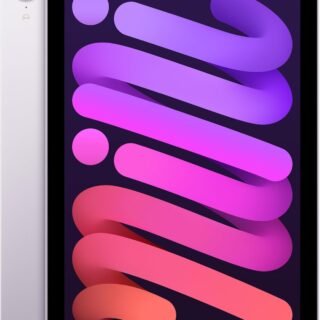 Apple iPad mini (A17 Pro): Apple Intelligence, 8.3-inch Liquid Retina Display, 256GB, Wi-Fi 6E, 12MP Front/12MP Back Camera, Touch ID, All-Day Battery Life — Purple
-
 Apple AirPods Max Wireless Over-Ear Headphones, Active Noise Cancelling, Transparency Mode, Personalized Spatial Audio, Dolby Atmos, Bluetooth Headphones for iPhone – Space Gray
-
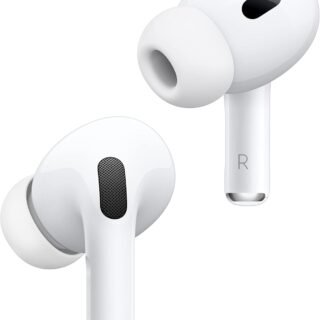 Apple AirPods Pro 2 Wireless Earbuds, Active Noise Cancellation, Hearing Aid Feature, Bluetooth Headphones, Transparency, Personalized Spatial Audio, High-Fidelity Sound, H2 Chip, USB-C Charging
-
Home Garage 210 TC Cotton King Floral Fitted (Elastic) Bedsheet(Pack of 1, Grey)
Original price was: ₹999.00.₹299.00Current price is: ₹299.00.
Leave a Reply