Discounted Products
-
 Home Garage 210 TC Cotton King Floral Fitted (Elastic) Bedsheet(Pack of 1, Grey)
Original price was: ₹999.00.₹299.00Current price is: ₹299.00.
Home Garage 210 TC Cotton King Floral Fitted (Elastic) Bedsheet(Pack of 1, Grey)
Original price was: ₹999.00.₹299.00Current price is: ₹299.00.
-
 Goodrik 140 TC Cotton Double 3D Printed Flat Bedsheet(Pack of 1, Brown)
Original price was: ₹499.00.₹229.00Current price is: ₹229.00.
Goodrik 140 TC Cotton Double 3D Printed Flat Bedsheet(Pack of 1, Brown)
Original price was: ₹499.00.₹229.00Current price is: ₹229.00.
-
 GLOBALSHOP 350 TC Microfiber Double Floral Flat Bedsheet(Pack of 1, Multicolor)
Original price was: ₹1,250.00.₹263.00Current price is: ₹263.00.
GLOBALSHOP 350 TC Microfiber Double Floral Flat Bedsheet(Pack of 1, Multicolor)
Original price was: ₹1,250.00.₹263.00Current price is: ₹263.00.
-
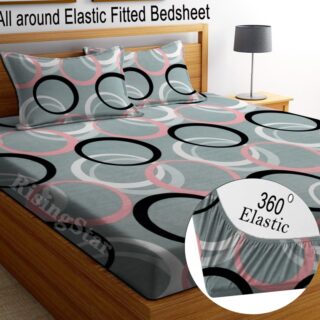 RisingStar 250 TC Microfiber King Printed Fitted (Elastic) Bedsheet(Pack of 1, FITTED-ROUND-CIRCLES-PREMIUM)
Original price was: ₹2,299.00.₹299.00Current price is: ₹299.00.
RisingStar 250 TC Microfiber King Printed Fitted (Elastic) Bedsheet(Pack of 1, FITTED-ROUND-CIRCLES-PREMIUM)
Original price was: ₹2,299.00.₹299.00Current price is: ₹299.00.
-
 Home Garage 210 TC Cotton King Floral Fitted (Elastic) Bedsheet(Pack of 1, Fitted Black Green)
Original price was: ₹1,299.00.₹299.00Current price is: ₹299.00.
Home Garage 210 TC Cotton King Floral Fitted (Elastic) Bedsheet(Pack of 1, Fitted Black Green)
Original price was: ₹1,299.00.₹299.00Current price is: ₹299.00.
-
 Home Garage 180 TC Cotton King 3D Printed Flat Bedsheet(Pack of 1, White)
Original price was: ₹999.00.₹229.00Current price is: ₹229.00.
Home Garage 180 TC Cotton King 3D Printed Flat Bedsheet(Pack of 1, White)
Original price was: ₹999.00.₹229.00Current price is: ₹229.00.
-
 Panipat Textile Hub 152.4 cm (5 ft) Polyester Window Curtain (Pack Of 2)(Solid, Aqua)
Original price was: ₹1,899.00.₹299.00Current price is: ₹299.00.
Panipat Textile Hub 152.4 cm (5 ft) Polyester Window Curtain (Pack Of 2)(Solid, Aqua)
Original price was: ₹1,899.00.₹299.00Current price is: ₹299.00.
-
 Home Sizzler 214 cm (7 ft) Polyester Semi Transparent Door Curtain (Pack Of 2)(Floral, Maroon)
Original price was: ₹1,199.00.₹399.00Current price is: ₹399.00.
Home Sizzler 214 cm (7 ft) Polyester Semi Transparent Door Curtain (Pack Of 2)(Floral, Maroon)
Original price was: ₹1,199.00.₹399.00Current price is: ₹399.00.
-
 Home Sizzler 153 cm (5 ft) Polyester Room Darkening Window Curtain (Pack Of 2)(Floral, Brown)
Original price was: ₹799.00.₹299.00Current price is: ₹299.00.
Home Sizzler 153 cm (5 ft) Polyester Room Darkening Window Curtain (Pack Of 2)(Floral, Brown)
Original price was: ₹799.00.₹299.00Current price is: ₹299.00.
-
 Stella Creations 214 cm (7 ft) Polyester Room Darkening Door Curtain (Pack Of 2)(Abstract, Brown)
Original price was: ₹1,299.00.₹449.00Current price is: ₹449.00.
Stella Creations 214 cm (7 ft) Polyester Room Darkening Door Curtain (Pack Of 2)(Abstract, Brown)
Original price was: ₹1,299.00.₹449.00Current price is: ₹449.00.
-
 Homefab India 152.5 cm (5 ft) Polyester Room Darkening Window Curtain (Pack Of 2)(Floral, Light Blue)
Original price was: ₹1,199.00.₹319.00Current price is: ₹319.00.
Homefab India 152.5 cm (5 ft) Polyester Room Darkening Window Curtain (Pack Of 2)(Floral, Light Blue)
Original price was: ₹1,199.00.₹319.00Current price is: ₹319.00.
-
 Urban Home 214 cm (7 ft) PVC Transparent Door Curtain Single Curtain(Solid, Off White)
Original price was: ₹699.00.₹203.00Current price is: ₹203.00.
Urban Home 214 cm (7 ft) PVC Transparent Door Curtain Single Curtain(Solid, Off White)
Original price was: ₹699.00.₹203.00Current price is: ₹203.00.
-
 Panipat Textile Hub 213 cm (7 ft) Polyester Door Curtain (Pack Of 2)(Solid, Brown)
Original price was: ₹1,199.00.₹349.00Current price is: ₹349.00.
Panipat Textile Hub 213 cm (7 ft) Polyester Door Curtain (Pack Of 2)(Solid, Brown)
Original price was: ₹1,199.00.₹349.00Current price is: ₹349.00.
-
 Home Sizzler 214 cm (7 ft) Polyester Semi Transparent Door Curtain (Pack Of 2)(Floral, Brown)
Original price was: ₹999.00.₹349.00Current price is: ₹349.00.
Home Sizzler 214 cm (7 ft) Polyester Semi Transparent Door Curtain (Pack Of 2)(Floral, Brown)
Original price was: ₹999.00.₹349.00Current price is: ₹349.00.
-
 Panipat Textile Hub 213 cm (7 ft) Polyester Semi Transparent Door Curtain (Pack Of 2)(Floral, Brown)
Original price was: ₹899.00.₹299.00Current price is: ₹299.00.
Panipat Textile Hub 213 cm (7 ft) Polyester Semi Transparent Door Curtain (Pack Of 2)(Floral, Brown)
Original price was: ₹899.00.₹299.00Current price is: ₹299.00.
Introduction
I’ve been there—you install a Windows update thinking it’ll improve your system, and suddenly your favorite games are stuttering, lagging, and completely unplayable. It’s incredibly frustrating, especially when you’ve set aside time to play. As someone who balances work and gaming, I understand how disappointing this experience is. What surprised me most while researching this issue is that gaming lag after Windows updates is actually quite common and usually fixable with some straightforward troubleshooting. The good news is that you don’t necessarily need to be a tech expert to resolve these problems; most fixes involve simple settings adjustments or driver updates that anyone can accomplish.
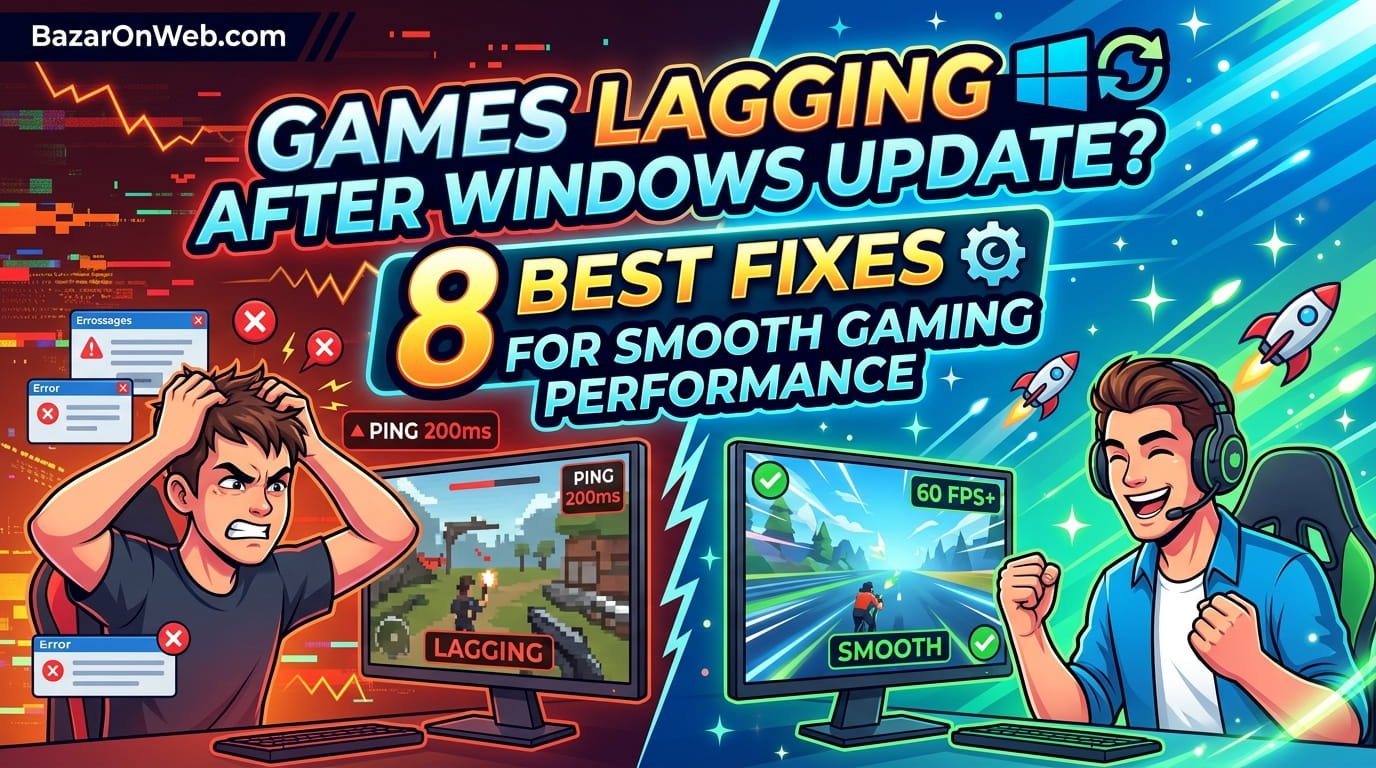
Windows updates sometimes inadvertently cause gaming performance issues through various mechanisms—driver incompatibilities, disabled gaming features, network configuration changes, or system resource conflicts. The encouraging news is that these problems are rarely permanent, and I’ve discovered multiple proven solutions that address different potential causes. In this comprehensive guide, I’ll walk you through eight of the most effective fixes for gaming lag following Windows updates, explaining exactly what’s causing the lag and how each fix addresses specific problems. I’ll also explain how to identify which fix is most likely to solve your particular situation. Whether you’re experiencing frame rate drops, stuttering, network lag, or complete freezing, by the end of this article you’ll have concrete solutions to restore your gaming experience to its pre-update performance levels.
1. Understanding Why Windows Updates Cause Gaming Performance Issues
Windows updates are designed to improve security, fix bugs, and add features, but they can inadvertently cause gaming performance problems through multiple mechanisms. The most common culprit is outdated graphics drivers—when Microsoft releases a major Windows update, it often introduces changes to how the operating system communicates with hardware, including graphics cards. If your graphics drivers weren’t updated simultaneously with Windows, compatibility issues arise, resulting in performance degradation. Another frequent cause is that Windows updates sometimes disable or modify gaming-related features like Game Mode, exclusive fullscreen support, or hardware acceleration settings that games rely on for optimal performance.
Windows updates also occasionally change system resource allocation, background processes, or power management settings that directly impact gaming. For example, an update might enable additional background services that consume CPU resources, leaving fewer resources available for games. Network configuration changes from updates can cause latency issues in online games, introducing lag that wasn’t present before. Additionally, Windows sometimes creates new temporary files or cache corruption during updates, which can interfere with game performance. Some updates introduce new security features that, while beneficial overall, create additional processing overhead that slightly impacts gaming performance on systems with already-limited resources. Understanding these various mechanisms helps explain why the same update might cause severe lag for one user but no issues for another—it depends on your specific hardware configuration, which games you play, and how your system settings are configured. Recognizing the root cause helps you apply the appropriate fix rather than trying random solutions.
2. How Windows Updates Impact Graphics Drivers and GPU Performance
Graphics driver compatibility is the most critical factor determining gaming performance after Windows updates. Your graphics card—whether NVIDIA, AMD, or Intel—relies on drivers to communicate with Windows and your games. These drivers translate game graphics commands into instructions your GPU understands. When Windows updates, they sometimes change the interface or API that graphics drivers use to communicate with the operating system. If your graphics driver hasn’t been updated to work with the new Windows version, performance degrades significantly because the driver is trying to communicate using outdated methods.
Windows updates can also reset graphics driver settings to defaults, disabling optimizations that were previously enabled. For instance, NVIDIA Control Panel settings, AMD Radeon Settings preferences, or Intel Graphics Control Panel configurations that improved gaming performance might revert to defaults after an update. This is why performance suddenly drops—not because the driver broke, but because your custom optimizations disappeared. Additionally, Windows updates sometimes introduce new graphics-related features or change how hardware acceleration works, requiring driver updates to properly support these changes. If drivers aren’t updated, games can’t take advantage of new optimizations or can’t properly utilize hardware acceleration, both of which impact performance. The GPU driver situation is further complicated by the fact that graphics driver updates don’t always align with Windows updates. NVIDIA might release driver updates monthly, while Windows updates come less frequently, creating gaps where incompatibility can occur. This is why updating graphics drivers is universally the first fix recommended for post-update gaming lag—in many cases, it completely resolves the issue by reestablishing proper hardware-software communication.
3. Fix 1: Update Your Graphics Drivers to Latest Version
Updating your graphics drivers should be your first troubleshooting step because it resolves the majority of gaming lag issues following Windows updates. The process depends on your graphics card manufacturer. For NVIDIA GPUs, visit nvidia.com/Download/driverDetails.aspx, select your graphics card model, and download the latest driver. For AMD GPUs, go to amd.com/drivers and specify your GPU model. For Intel integrated graphics, visit intel.com/content/www/us/en/support/intel-graphics.html and download the latest driver for your specific processor generation.
Once you’ve downloaded the appropriate driver, run the installer. Most driver installers provide an “Express” installation option that automatically installs drivers and required components. Choose Express unless you have specific reasons to customize installation. The installer will guide you through the process, and you’ll likely need to restart your computer for changes to take effect. After restarting, launch one of your previously laggy games and test performance. In many cases, simply updating graphics drivers resolves gaming lag completely. If performance hasn’t improved, don’t worry—we have additional fixes. Before moving to the next fix, verify that your driver installation actually updated the version. You can check this by opening your graphics control panel—NVIDIA Control Panel, AMD Radeon Settings, or Intel Graphics Settings—which typically displays the current driver version. Comparing this with the version you downloaded confirms the update succeeded. If the version number hasn’t changed despite reinstalling, the installer might have encountered an error. Try uninstalling the driver completely through your graphics control panel, restarting, then reinstalling fresh from the downloaded file.
4. Fix 2: Disable Unnecessary Background Services and Processes
After Windows updates, your system might be running additional background services and processes that consume CPU resources, reducing resources available for gaming. Identifying and temporarily disabling unnecessary services can significantly improve gaming performance. Press Windows Key + R to open the Run dialog, type “services.msc” and press Enter. This opens the Services management window showing all running services. Look through the list for services you don’t need—particularly Windows Update-related services, cloud synchronization services, indexing services, or unnecessary Microsoft services.
Be extremely cautious when disabling services—disabling critical services can break your system. Safe services to disable for gaming include “Windows Search” (indexing service), “SysMain” or “Superfetch” (if you have sufficient RAM), and background synchronization services. Right-click services you want to disable, select Properties, and change the Startup Type from “Automatic” to “Disabled.” After disabling several services, restart your computer and test gaming performance. You can re-enable services later if they were important. Additionally, open Task Manager (Ctrl + Shift + Esc), click the Startup tab, and disable startup programs you don’t need running constantly. Applications that launch at startup consume resources even if you’re not using them. Disable anything non-essential like weather apps, notification services, or cloud synchronization tools. After making changes, restart your computer and test gaming performance again. This approach frees CPU and memory resources for gaming. However, remember that disabling services is reversible—if you disable something important, you can easily re-enable it later. Document which services you disabled so you can restore them if needed.
5. Fix 3: Check and Configure Windows 11 Game Mode Settings
Windows 11 includes a Game Mode feature designed to optimize gaming performance by allocating system resources appropriately. Ironically, Game Mode sometimes gets disabled or misconfigured during updates, and re-enabling or reconfiguring it can dramatically improve performance. Open Settings by pressing Windows Key + I, then navigate to Gaming > Game Mode. Verify that Game Mode is toggled ON. If it’s already on, toggle it off and back on again to refresh the setting, as this sometimes resolves configuration issues.
While in Gaming settings, also check the Graphics section for additional optimization options. Look for settings like “Hardware-accelerated GPU scheduling” if you’re using Windows 11 with a compatible GPU—enabling this feature can improve gaming performance by allowing your GPU to manage its own memory more efficiently. Additionally, check Display settings (Settings > System > Display) to verify your refresh rate is set to your monitor’s maximum capability. Sometimes Windows updates reset your display settings to default refresh rates, which can feel like lag even if frame rates are actually fine. Look for “Refresh Rate” in advanced display settings and set it to the highest available option. Back in Gaming settings, also examine the Xbox Game Pass or Game Pass settings if you use those services—sometimes update conflicts arise with Game Pass integration that affect general gaming performance. Finally, check whether your game is running in the optimal display mode. Some games perform better in windowed mode while others need fullscreen, and Windows update changes to fullscreen exclusivity settings can impact performance.
6. Fix 4: Verify Internet Connection and Network Configuration
If you’re experiencing lag specifically in online games—where lag means high ping or latency rather than frame rate drops—the issue might be network-related rather than graphics-related. Windows updates sometimes change network settings or disable network optimizations. First, verify your internet connection is stable by running a speed test at speedtest.net. Check whether your download and upload speeds match your normal speeds; if they’re significantly reduced, contact your internet service provider. Next, check your ping in the game itself—most online games display ping or latency information. Compare your current ping with what you normally experience; if ping is significantly higher, it indicates a network problem.
Check your network configuration by opening Command Prompt as Administrator (press Windows Key + R, type “cmd”, right-click and select Run as Administrator). Type “ipconfig /all” and press Enter to see your network configuration details. Check whether your DNS servers are set correctly—they should typically be your ISP’s DNS or Google’s DNS (8.8.8.8). If DNS settings look wrong, reset them through Settings > Network & Internet > WiFi or Ethernet, depending on your connection type. Also check whether your router firmware needs updating—many routers have updates available that improve performance and stability. Access your router’s admin panel (usually by typing 192.168.1.1 in your browser) and check for firmware updates. Additionally, try connecting with an Ethernet cable instead of WiFi if possible; WiFi can be less stable, especially after system changes. If your router settings were affected by Windows updates, you might need to reconfigure port forwarding or other advanced settings that online games sometimes require.
7. Fix 5: Run Game in Compatibility Mode With Previous Windows Version
If your game was working fine before the Windows update and newer drivers didn’t resolve the issue, running the game in compatibility mode might help. Compatibility mode tells Windows to apply system behaviors from older Windows versions, sometimes resolving conflicts with newer updates. Right-click your game’s executable file or shortcut and select Properties. Click the Compatibility tab, then check “Run this program in compatibility mode for:” and select a previous Windows version—usually trying Windows 10 if you updated to Windows 11, or the version immediately before your current version.
Also check the other options on this tab: “Run in full-screen optimizations” should usually be checked for games, though some games perform better with it unchecked. Additionally, check “Run this program as an administrator” which can sometimes resolve permission-related performance issues. If you’re using an older game that was made before Windows 11, you might also need to enable “Reduced color mode” or “Reduced form factor” options. After configuring compatibility settings, click Apply and OK, then launch your game and test performance. Compatibility mode essentially tells newer Windows to behave like older versions where possible, helping older games that haven’t been updated work properly with newer Windows versions. This approach is particularly helpful for older games that might not be actively maintained by developers. The downside is that compatibility mode disables some modern Windows features, so use it only for the specific games that need it rather than all your games.
8. Fix 6: Disable Full-Screen Optimizations and Exclusive Fullscreen
Windows updates sometimes change how fullscreen games interact with the operating system, affecting performance. Modern Windows uses “fullscreen optimizations” to improve compatibility, but some games perform better with these disabled. To disable fullscreen optimizations, right-click your game’s executable or shortcut, select Properties, click the Compatibility tab, and uncheck “Full-screen optimizations.” This allows your game to run in “exclusive fullscreen” mode where it has more direct GPU access, which can improve performance for some games.
Additionally, check your game’s graphics settings for an option related to fullscreen mode. Many games offer options like “Fullscreen,” “Windowed Fullscreen” (also called “Borderless Windowed”), and “Windowed.” Exclusive fullscreen typically offers the best performance, windowed fullscreen offers moderate performance but better multitasking, and windowed mode offers the worst performance but best alt-tab functionality. If you’re currently in windowed mode, try switching to exclusive fullscreen. Conversely, if you’re in exclusive fullscreen and experiencing issues, try windowed fullscreen mode to see if the problem is fullscreen-related. Windows update changes to fullscreen support sometimes require reconfiguring these settings. Additionally, check your GPU control panel for fullscreen-related optimizations. NVIDIA Control Panel has “Threaded Optimization” and other fullscreen settings that impact gaming performance. AMD Radeon Settings and Intel Graphics Settings have comparable options. Experimenting with these settings and then testing game performance helps identify what configuration works best for your specific hardware and games.
9. Fix 7: Clear Temporary Files and Rebuild DirectX Shader Cache
Windows updates often create temporary files and sometimes corrupt the DirectX shader cache that games rely on for performance. Clearing these can provide significant performance improvements. First, clear temporary files by pressing Windows Key + R, typing “%temp%” and pressing Enter. This opens your temporary files folder. Select all files (Ctrl + A) and delete them. You might get warnings about files in use—click “Skip” for those and continue deleting others. Additionally, open Disk Cleanup by pressing Windows Key + R, typing “cleanmgr” and pressing Enter. Check the boxes for “Temporary files,” “Recycle Bin,” and “Temporary Internet Files,” then click “Clean up system files.” This removes more system temporary files that might be affecting performance.
Next, rebuild your DirectX shader cache by navigating to the shader cache location. Press Windows Key + R, type “%LocalAppData%\NVIDIA\GLCache” (for NVIDIA) or “%LocalAppData%\AMD\GLCache” (for AMD) depending on your GPU manufacturer. Delete all files in this folder. Windows will automatically rebuild the shader cache when you next run your games. This process forces games to recompile shaders, which takes a few minutes the first time you run each game but results in a fresh cache that might resolve performance issues caused by corrupted cache files. After clearing temporary files and shader cache, restart your computer and launch one of your laggy games. The first launch might take longer as shaders recompile, but subsequent launches should be faster. This fix is particularly helpful if you notice performance degradation started immediately after a Windows update, suggesting cache corruption might be the issue.
10. Fix 8: Rollback Windows Update or Perform Clean Boot for Troubleshooting
If you’ve tried all previous fixes and gaming performance is still unacceptable, you have more drastic options. The nuclear option is rolling back the Windows update that caused the problems. This removes the problematic update and returns your system to the previous Windows version. Open Settings, navigate to System > Recovery, and look for “Go back” or “Rollback” option if available. This option is typically available for a limited time after updates (usually 10 days), so if you’re reading this weeks after installing an update, this option might no longer be available. If the rollback option is available, it will guide you through the process, which takes 20-30 minutes and requires a restart.
If rollback isn’t available or you prefer not to use it, try a clean boot to identify whether a specific service or program is causing the lag. A clean boot starts Windows with minimal services and background programs, helping isolate problematic software. Press Windows Key + R, type “msconfig” and press Enter. In the General tab, select “Selective Startup.” Uncheck “Load startup items” and click the Services tab, then check “Hide all Microsoft services,” and uncheck all remaining services. Click OK and restart. Your computer will start with minimal services. Test your gaming performance in this clean boot state. If performance is perfect, the problem is caused by a background service or startup program, and you can gradually re-enable services to identify which one causes the issue. If performance is still poor even in clean boot, the problem is likely a driver or core Windows issue that requires more advanced troubleshooting or professional help. After testing, use System Configuration to restore normal startup by selecting “Normal Startup” in the General tab.
Disclaimer
This article provides troubleshooting guidance for gaming lag and performance issues that occur after Windows updates. The information is intended for educational purposes to help users diagnose and resolve common gaming performance problems. Results may vary depending on your specific hardware configuration, graphics card, games, and Windows version.
Important Disclaimers:
- This guide covers Windows 10 and Windows 11; some steps may differ on other Windows versions or operating systems
- We strongly recommend creating a system backup before making significant system changes, particularly before disabling services or rolling back updates
- Disabling Windows services can affect system functionality if done incorrectly. Only disable services you’ve specifically researched and confirmed are safe to disable. Do not disable services critical to Windows operation
- Graphics driver updates and rollbacks can temporarily cause display issues; these typically resolve after restarting
- Internet connection issues are beyond the scope of software troubleshooting; if lag persists after all software fixes, contact your internet service provider
- Some fixes may require administrator access to your computer. If you lack these permissions, contact your system administrator
- Compatibility mode and fullscreen optimization changes apply only to the specific game configured; they don’t affect your entire system
- Shader cache rebuilding requires games to recompile shaders on first launch, which may temporarily impact performance during initial gameplay
Before Making Changes:
- Ensure you have adequate hard drive space before clearing temporary files or downloading driver updates
- Close all games and non-essential applications before making system configuration changes
- Document any services you disable so you can restore them if needed
- Verify you have administrator access before attempting any fixes
- Test only one fix at a time to identify which fix resolves your specific issue
Graphics Driver Caution:
- Download drivers only from official manufacturer websites (nvidia.com, amd.com, intel.com) to avoid malware
- Uninstalling and reinstalling drivers may cause temporary display issues—have patience if your screen looks unusual during installation
- Some driver installations require specific graphics card models; ensure you’re downloading the correct driver for your exact GPU
System Recovery Note:
- Windows update rollback is only available for a limited period after installation (typically 10 days)
- Rollback removes the update and any system changes made since the update; ensure important data is backed up
- After rollback, you may need to manually update certain drivers or software compatibility may change
When to Seek Professional Help:
- If you’ve attempted all eight fixes without success, contact professional IT support or take your computer to an authorized service center
- If you’re uncomfortable with system configuration changes or service management, consult technical support rather than attempting fixes yourself
- If you suspect hardware failure (overheating, physical GPU damage), seek professional hardware diagnostics
Liability:
We are not responsible for any system issues, data loss, performance problems, or hardware damage resulting from following these troubleshooting steps. Users assume full responsibility for any changes made to their systems. Some fixes are reversible (driver updates, service enabling/disabling), while others (like update rollback) make more permanent changes.
About the Author
Jessica Miller is a marketing manager and passionate gamer who specializes in helping busy professionals solve tech problems quickly and effectively. With expertise in gaming optimization, Windows troubleshooting, and system performance, she understands the frustration that comes with technical issues interrupting gaming time. When she’s not writing practical tech guides or managing her marketing team, she’s gaming, testing performance tweaks, and helping friends troubleshoot their tech problems.

- How to Remotely Control Another Computer Using Windows Quick Assist
- 5 Must-Have Electronics Gadgets for a More Comfortable Living Room

- How to Create a Windows 11 System Backup on an External Hard Drive

- 10 Smart Home Ideas That Make Everyday Life Easier

- Gemini Live Avatar: How to Talk to Gemini Face-to-Face

Products
-
![Apple Watch Ultra 3 [GPS + Cellular 49mm] Running & Multisport Smartwatch w/Rugged Titanium Case w/Black Titanium Milanese Loop - M. Satellite Communications, Advanced Health & Fitness Tracking](https://bazaronweb.com/retailstores/wp-content/uploads/2025/09/apple-watch-320x320.jpg) Apple Watch Ultra 3 [GPS + Cellular 49mm] Running & Multisport Smartwatch w/Rugged Titanium Case w/Black Titanium Milanese Loop - M. Satellite Communications, Advanced Health & Fitness Tracking
Apple Watch Ultra 3 [GPS + Cellular 49mm] Running & Multisport Smartwatch w/Rugged Titanium Case w/Black Titanium Milanese Loop - M. Satellite Communications, Advanced Health & Fitness Tracking
-
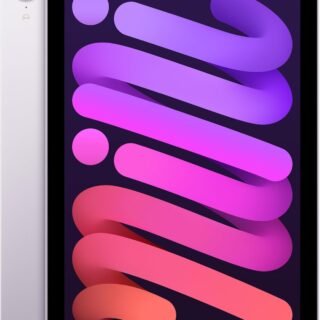 Apple iPad mini (A17 Pro): Apple Intelligence, 8.3-inch Liquid Retina Display, 256GB, Wi-Fi 6E, 12MP Front/12MP Back Camera, Touch ID, All-Day Battery Life — Purple
-
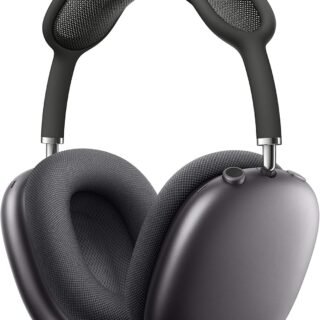 Apple AirPods Max Wireless Over-Ear Headphones, Active Noise Cancelling, Transparency Mode, Personalized Spatial Audio, Dolby Atmos, Bluetooth Headphones for iPhone – Space Gray
-
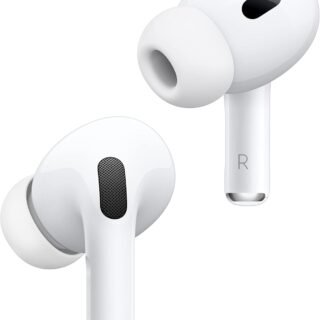 Apple AirPods Pro 2 Wireless Earbuds, Active Noise Cancellation, Hearing Aid Feature, Bluetooth Headphones, Transparency, Personalized Spatial Audio, High-Fidelity Sound, H2 Chip, USB-C Charging
-
Home Garage 210 TC Cotton King Floral Fitted (Elastic) Bedsheet(Pack of 1, Grey)
Original price was: ₹999.00.₹299.00Current price is: ₹299.00.
Leave a Reply