Discounted Products
-
 Home Garage 210 TC Cotton King Floral Fitted (Elastic) Bedsheet(Pack of 1, Grey)
Original price was: ₹999.00.₹299.00Current price is: ₹299.00.
Home Garage 210 TC Cotton King Floral Fitted (Elastic) Bedsheet(Pack of 1, Grey)
Original price was: ₹999.00.₹299.00Current price is: ₹299.00.
-
 Goodrik 140 TC Cotton Double 3D Printed Flat Bedsheet(Pack of 1, Brown)
Original price was: ₹499.00.₹229.00Current price is: ₹229.00.
Goodrik 140 TC Cotton Double 3D Printed Flat Bedsheet(Pack of 1, Brown)
Original price was: ₹499.00.₹229.00Current price is: ₹229.00.
-
 GLOBALSHOP 350 TC Microfiber Double Floral Flat Bedsheet(Pack of 1, Multicolor)
Original price was: ₹1,250.00.₹263.00Current price is: ₹263.00.
GLOBALSHOP 350 TC Microfiber Double Floral Flat Bedsheet(Pack of 1, Multicolor)
Original price was: ₹1,250.00.₹263.00Current price is: ₹263.00.
-
 RisingStar 250 TC Microfiber King Printed Fitted (Elastic) Bedsheet(Pack of 1, FITTED-ROUND-CIRCLES-PREMIUM)
Original price was: ₹2,299.00.₹299.00Current price is: ₹299.00.
RisingStar 250 TC Microfiber King Printed Fitted (Elastic) Bedsheet(Pack of 1, FITTED-ROUND-CIRCLES-PREMIUM)
Original price was: ₹2,299.00.₹299.00Current price is: ₹299.00.
-
 Home Garage 210 TC Cotton King Floral Fitted (Elastic) Bedsheet(Pack of 1, Fitted Black Green)
Original price was: ₹1,299.00.₹299.00Current price is: ₹299.00.
Home Garage 210 TC Cotton King Floral Fitted (Elastic) Bedsheet(Pack of 1, Fitted Black Green)
Original price was: ₹1,299.00.₹299.00Current price is: ₹299.00.
-
 Home Garage 180 TC Cotton King 3D Printed Flat Bedsheet(Pack of 1, White)
Original price was: ₹999.00.₹229.00Current price is: ₹229.00.
Home Garage 180 TC Cotton King 3D Printed Flat Bedsheet(Pack of 1, White)
Original price was: ₹999.00.₹229.00Current price is: ₹229.00.
-
 Panipat Textile Hub 152.4 cm (5 ft) Polyester Window Curtain (Pack Of 2)(Solid, Aqua)
Original price was: ₹1,899.00.₹299.00Current price is: ₹299.00.
Panipat Textile Hub 152.4 cm (5 ft) Polyester Window Curtain (Pack Of 2)(Solid, Aqua)
Original price was: ₹1,899.00.₹299.00Current price is: ₹299.00.
-
 Home Sizzler 214 cm (7 ft) Polyester Semi Transparent Door Curtain (Pack Of 2)(Floral, Maroon)
Original price was: ₹1,199.00.₹399.00Current price is: ₹399.00.
Home Sizzler 214 cm (7 ft) Polyester Semi Transparent Door Curtain (Pack Of 2)(Floral, Maroon)
Original price was: ₹1,199.00.₹399.00Current price is: ₹399.00.
-
 Home Sizzler 153 cm (5 ft) Polyester Room Darkening Window Curtain (Pack Of 2)(Floral, Brown)
Original price was: ₹799.00.₹299.00Current price is: ₹299.00.
Home Sizzler 153 cm (5 ft) Polyester Room Darkening Window Curtain (Pack Of 2)(Floral, Brown)
Original price was: ₹799.00.₹299.00Current price is: ₹299.00.
-
 Stella Creations 214 cm (7 ft) Polyester Room Darkening Door Curtain (Pack Of 2)(Abstract, Brown)
Original price was: ₹1,299.00.₹449.00Current price is: ₹449.00.
Stella Creations 214 cm (7 ft) Polyester Room Darkening Door Curtain (Pack Of 2)(Abstract, Brown)
Original price was: ₹1,299.00.₹449.00Current price is: ₹449.00.
-
 Homefab India 152.5 cm (5 ft) Polyester Room Darkening Window Curtain (Pack Of 2)(Floral, Light Blue)
Original price was: ₹1,199.00.₹319.00Current price is: ₹319.00.
Homefab India 152.5 cm (5 ft) Polyester Room Darkening Window Curtain (Pack Of 2)(Floral, Light Blue)
Original price was: ₹1,199.00.₹319.00Current price is: ₹319.00.
-
 Urban Home 214 cm (7 ft) PVC Transparent Door Curtain Single Curtain(Solid, Off White)
Original price was: ₹699.00.₹203.00Current price is: ₹203.00.
Urban Home 214 cm (7 ft) PVC Transparent Door Curtain Single Curtain(Solid, Off White)
Original price was: ₹699.00.₹203.00Current price is: ₹203.00.
-
 Panipat Textile Hub 213 cm (7 ft) Polyester Door Curtain (Pack Of 2)(Solid, Brown)
Original price was: ₹1,199.00.₹349.00Current price is: ₹349.00.
Panipat Textile Hub 213 cm (7 ft) Polyester Door Curtain (Pack Of 2)(Solid, Brown)
Original price was: ₹1,199.00.₹349.00Current price is: ₹349.00.
-
 Home Sizzler 214 cm (7 ft) Polyester Semi Transparent Door Curtain (Pack Of 2)(Floral, Brown)
Original price was: ₹999.00.₹349.00Current price is: ₹349.00.
Home Sizzler 214 cm (7 ft) Polyester Semi Transparent Door Curtain (Pack Of 2)(Floral, Brown)
Original price was: ₹999.00.₹349.00Current price is: ₹349.00.
-
 Panipat Textile Hub 213 cm (7 ft) Polyester Semi Transparent Door Curtain (Pack Of 2)(Floral, Brown)
Original price was: ₹899.00.₹299.00Current price is: ₹299.00.
Panipat Textile Hub 213 cm (7 ft) Polyester Semi Transparent Door Curtain (Pack Of 2)(Floral, Brown)
Original price was: ₹899.00.₹299.00Current price is: ₹299.00.

Introduction
There’s nothing more annoying than being in the middle of browsing, shopping, or working on something important when your browser suddenly crashes with the dreaded “Aw, Snap! Out of Memory” error. I’ve been there—multiple times—frantically trying to figure out what went wrong and how to get back to what I was doing. This error, which appears primarily in Chrome but can occur in other browsers too, is actually your browser’s way of saying it’s consumed all available memory and can’t continue functioning. The frustrating part is that it often feels random, leaving you wondering what you did wrong or whether your computer is failing. The good news is that understanding what causes this error and implementing preventative measures can virtually eliminate it from your browsing experience.
In this comprehensive guide, I’ll explain exactly what the “Aw, Snap! Out of Memory” error is, why it happens, and most importantly, how to prevent it from disrupting your browsing. I’ll break down how browser memory works in simple terms so you understand the mechanics behind the error, discuss the most common causes, and provide you with five practical fixes that range from simple adjustments to more technical solutions. By understanding this error and implementing the prevention strategies I’ll outline, you’ll enjoy a much more stable and frustration-free browsing experience. Whether you’re a casual browser user or someone who keeps dozens of tabs open simultaneously, you’ll find practical solutions tailored to your usage patterns.
1. What is the “Aw, Snap! Out of Memory” Error: Understanding Browser Crashes
The “Aw, Snap! Out of Memory” error is Google Chrome’s way of telling you that the browser has run out of available memory to continue operating. When you see this error message, it means Chrome has attempted to allocate more RAM to handle what you’re doing in the browser, but your system doesn’t have any free memory remaining to provide. This is a protective mechanism—rather than allowing the browser to become completely unstable or unresponsive, Chrome crashes and displays this error message. The error can appear suddenly while you’re browsing normally, loading a particularly memory-intensive website, or when you’ve opened an excessive number of tabs.
While this error message is specific to Chrome’s branding, the underlying issue affects all browsers to some degree, though other browsers might display different error messages. Firefox, Safari, Edge, and other browsers all have memory limitations and can crash from excessive memory consumption, but they don’t always provide such a clear explanation of what happened. Understanding that this error specifically indicates a memory issue—not a security breach, malware infection, or hardware failure—helps you know you’re dealing with a manageable software problem. The error typically appears as a full-screen message with a sad face icon and text explaining the out-of-memory condition. Sometimes clicking “Reload” on the error page allows you to reload the last page you were viewing, though unsaved data on that page is lost. The important thing to understand is that this error is a symptom of excessive memory consumption, and the solution involves either reducing memory usage or ensuring more memory is available to the browser.
2. How Browser Memory Works and Why It Runs Out
Understanding how browser memory functions helps explain why the out-of-memory error occurs. When you open a browser, it allocates a portion of your system’s available RAM to operate. Each tab you open, each extension you install, and each website you visit consumes additional memory. Websites with videos, animations, complex graphics, or JavaScript-heavy applications consume significantly more memory than simple text-based websites. As you continue browsing and opening tabs, the browser’s memory consumption grows. If you keep opening new tabs without closing old ones, that memory consumption continues accumulating.
Your computer has a finite amount of RAM—perhaps 4GB, 8GB, 16GB, or more depending on your system. The operating system shares this RAM between all running applications. If Chrome consumes most available RAM, other applications (including Windows itself) have less memory available, and the entire system becomes sluggish. Chrome will continue requesting more memory until the system literally has no more to give. At that point, the browser crashes with the out-of-memory error. The situation is compounded on computers with limited RAM—a laptop with 4GB of RAM will run out of memory much faster than a desktop with 32GB. Additionally, memory leaks in websites or browser extensions can cause memory consumption to grow over time without your doing anything new. A memory leak occurs when a website doesn’t properly release memory after finishing with it, causing that memory to remain allocated even though it’s no longer needed. Over hours of browsing, these memory leaks accumulate, eventually causing the out-of-memory crash.
3. Common Causes of Out of Memory Errors in Chrome and Other Browsers
Multiple specific situations trigger out-of-memory errors, and identifying which applies to your situation helps you implement the appropriate fix. The most obvious cause is simply opening too many browser tabs simultaneously. Some power users habitually keep 50, 100, or even more tabs open, using their browser like a bookmark system. Each tab consumes memory, and eventually, the total exceeds available RAM. Another common cause is leaving resource-intensive websites open for extended periods—streaming video sites, cloud-based applications, or complex web applications can consume substantial memory, and having multiple such sites open simultaneously accelerates memory exhaustion.
Browser extensions are another frequent culprit. Each extension runs continuously in the background, and poorly-written extensions can consume excessive memory. If you’ve installed many extensions, the cumulative memory consumption can be substantial. Certain websites contain memory leaks—they consume more memory the longer you stay on them without reloading. News websites with auto-updating feeds, social media platforms, and complex web applications are common offenders. Additionally, old browser cache and temporary data accumulate over time, consuming disk space and potentially impacting memory performance. Malware or adware, while less common for technical users, can also cause excessive memory consumption by running unwanted processes in the background. Finally, if your computer has very limited RAM to begin with—such as older laptops with 2GB or 4GB—even normal modern web browsing quickly consumes available memory because modern websites are increasingly memory-intensive. Understanding which of these causes applies to your situation helps you focus on the most effective solution.
4. The Difference Between RAM and Virtual Memory in Browser Context
To fully understand the out-of-memory error, you need to understand the difference between RAM and virtual memory, as browsers use both to operate. RAM is your computer’s fast, short-term memory where active data and processes reside. When your browser needs to process web pages, run scripts, or display images, it uses RAM because it’s extremely fast. Virtual memory is a system feature that uses a portion of your hard drive as overflow memory when physical RAM becomes full. When RAM is nearly exhausted, the operating system can move less-frequently-accessed data to the hard drive, freeing up RAM for more immediately needed data. This process is called paging or swapping.
The out-of-memory error occurs when even virtual memory is exhausted and the system literally cannot allocate any more memory to Chrome. At this point, Chrome must crash because it cannot continue operating without memory. The reason virtual memory doesn’t fully solve the problem is that hard drive access is significantly slower than RAM access—thousands of times slower, actually. When the system relies heavily on virtual memory, everything becomes extremely slow because every operation requires reading from and writing to the hard drive. Users typically experience severe slowdowns before reaching complete memory exhaustion. Modern systems try to prevent out-of-memory crashes by managing virtual memory, but if memory demand exceeds even virtual memory capacity, crashes become inevitable. Additionally, excessive use of virtual memory wears on your hard drive and can slow your entire system. This is why the solution involves reducing actual memory consumption rather than relying on virtual memory as a backup—even if virtual memory prevents crashes, relying on it creates an unusably slow system.
5. Fix 1: Close Unused Browser Tabs and Extensions to Free Memory
The simplest and most effective fix for out-of-memory errors is closing unused browser tabs. Each open tab consumes memory, and closing tabs immediately frees that memory for other uses. Start by reviewing your currently open tabs and closing any you’re not actively using. A good practice is asking yourself, “Am I reading this tab right now?” If the answer is no, close it. If you frequently need to revisit websites, use bookmarks instead of keeping tabs open indefinitely. Browser bookmarks consume virtually no memory and preserve your links for future use. Consider installing a tab manager extension that helps organize and suspend tabs you’re not using, which reduces memory consumption without actually closing the tabs.
Beyond tabs, review your installed browser extensions and disable or uninstall any you don’t actively use. Each extension runs in the background and consumes memory. If you have ten extensions installed but only use three regularly, disabling the others frees substantial memory. To manage extensions in Chrome, click the puzzle piece icon in the upper right, then click the settings icon next to extensions you want to disable or uninstall. For other browsers, look for extension or add-on management in the settings menu. After closing unused tabs and disabling unnecessary extensions, restart your browser completely and notice the memory improvement. You’ll likely find that your browser feels faster and more responsive. Make closing unused tabs a daily habit—at the end of your work day, close tabs you won’t need tomorrow. This simple practice prevents memory accumulation and helps maintain stable browser performance. If you find yourself frequently frustrated by having too many tabs open, this might be a sign to develop better tab management habits to prevent future out-of-memory issues.
6. Fix 2: Clear Browser Cache, Cookies, and Temporary Data
Over time, your browser accumulates cache files, cookies, and temporary data that can impact memory performance and storage space. Clearing this accumulated data often resolves out-of-memory issues and improves overall browser performance. In Chrome, click the three-dot menu in the upper right, select Settings, navigate to Privacy and Security, then click “Clear browsing data.” A window appears with options for what data to clear—ensure “Cookies and other site data” and “Cached images and files” are checked. You can select “All time” from the time range dropdown to clear all accumulated data. Click “Clear data” to complete the process.
The process is similar in other browsers: Firefox uses Settings > Privacy & Security > Cookies and Site Data > Clear Data; Safari uses Safari > Settings > Privacy > Manage Website Data > Remove All; Edge uses Settings > Privacy, Search, and Services > Clear Browsing Data. After clearing cache and cookies, websites may load slightly slower on first visit because the browser no longer has cached copies of resources, but subsequent visits will be normal. The performance improvement in memory consumption often outweighs this minor inconvenience. Additionally, clearing cookies logs you out of websites, so you’ll need to log back in to accounts like email, social media, and banking sites—have your passwords ready. Make clearing browser data a monthly habit to prevent accumulation. You can even set Chrome to automatically clear browsing data when you close the browser by checking “Clear cookies and site data when you quit Chrome” in Settings > Privacy and Security. This automatic clearing prevents data accumulation without requiring manual action.
7. Fix 3: Update Browser to Latest Version for Memory Optimization
Browser developers regularly release updates that include performance improvements and memory optimizations. Running an outdated browser version means you’re missing these improvements, which could help prevent out-of-memory errors. Updating is simple and free. In Chrome, click the three-dot menu in the upper right and look for “About Google Chrome”—this automatically checks for updates and installs them if available. Chrome typically updates automatically and prompts you to restart the browser to apply updates. For Firefox, click the hamburger menu (three lines) in the upper right, select Help, then “About Firefox”—this checks for updates. For Safari, updates come through System Preferences or Mac App Store updates. For Edge, click the three-dot menu and select “Settings” > “About Microsoft Edge.”
Beyond updating the browser itself, check that your operating system is fully updated. Windows and Mac updates often include system-level memory management improvements and driver updates that indirectly improve browser performance. After updating your browser and operating system, restart your computer and test whether the out-of-memory error still occurs. Developers specifically work on memory optimization with each release—they understand that memory consumption is a critical issue affecting user experience. If you’re running a version that’s several months old, updating alone might resolve your issue. Additionally, updating provides security improvements that protect against malware and security vulnerabilities. Make updating a regular habit—set your browser to notify you of updates, and apply them as soon as convenient. For critical security updates, apply them immediately rather than delaying. Staying current with updates ensures you benefit from all performance improvements and security patches released since your installation.
8. Fix 4: Disable Resource-Intensive Extensions and Add-ons
While I mentioned disabling unused extensions earlier, some extensions are particularly resource-intensive even when inactive. Identifying and disabling these specific extensions can dramatically reduce memory consumption. Some common memory-heavy extensions include password managers that constantly scan web pages, ad blockers that analyze every page element, and video downloaders that run comprehensive background monitoring. While these extensions provide useful functionality, the memory cost might outweigh the benefit if you’re experiencing out-of-memory errors.
To identify which extensions consume the most memory, open Chrome’s Task Manager by pressing Shift + Esc while the browser is open. This displays memory consumption for each tab and extension, allowing you to identify the worst offenders. If you see an extension consuming hundreds of megabytes of memory, that’s your problem. Consider disabling that extension and finding an alternative with lower memory consumption, or simply doing without that functionality. After disabling an extension, return to Task Manager to verify memory consumption decreased. Test your browsing to ensure the extension wasn’t essential to your workflow before permanently uninstalling it. For other browsers, similar task managers exist—Firefox has about:performance, Safari has Activity Monitor integration, and Edge has its own Task Manager. These tools help you understand exactly where memory is being consumed, enabling informed decisions about which extensions are worth keeping.
Additionally, be selective about which extensions you install in the first place. Before installing an extension, read reviews and check whether users report memory issues. Some extension developers specifically optimize for low memory consumption, while others are less careful. Choosing well-maintained extensions from reputable developers reduces your risk of memory-related issues. Finally, avoid installing multiple extensions that do similar things—if you have two ad blockers, one password manager, and two tab managers, you’re duplicating functionality and wasting memory. Choose the single best option for each function you need and stick with it.
9. Fix 5: Adjust Browser Memory Limits and System Configuration
For technically inclined users, more advanced solutions exist for managing browser memory. Chrome has a command-line flag that limits maximum memory usage, though this isn’t recommended for typical users. The setting –max-old-space-size=4096 limits JavaScript heap size, but adjusting this requires launching Chrome from command line and might cause other issues. More practically, ensure your system has adequate virtual memory configured. On Windows, right-click “This PC,” select Properties, click “Advanced system settings,” then under Performance click “Settings.” Go to the Advanced tab and click “Change” under Virtual Memory. Ensure virtual memory is enabled and has adequate space allocated.
Additionally, if your computer has limited RAM, consider upgrading to more RAM if possible and feasible. Adding memory from 4GB to 8GB or 8GB to 16GB dramatically reduces out-of-memory issues. RAM upgrades are typically affordable and installation is straightforward on most computers, though laptop upgrades can be more difficult. If upgrade isn’t possible, reduce your multitasking—don’t run unnecessary background applications while browsing, and avoid opening other memory-intensive applications like photo editors or video software while using the browser. Close Dropbox, cloud synchronization tools, and other continuous background services when you don’t need them. Each background application consumes RAM, and in systems with limited memory, every bit helps. Additionally, enable “lite mode” in Chrome if available (some versions include this setting), which reduces memory consumption by loading simplified versions of websites, though at the cost of reduced functionality.
Finally, consider using a lightweight browser like Opera or Brave on systems with very limited RAM. These browsers are optimized for lower memory consumption while maintaining modern web compatibility. Switching browsers isn’t ideal, but if you’re constantly hitting out-of-memory errors on Chrome, trying an alternative might solve your problem.
10. Long-term Prevention Strategies and Best Practices
Beyond immediate fixes, developing long-term habits prevents out-of-memory errors from recurring. First, establish a regular tab management routine. At the end of your workday, review open tabs and close any you won’t need tomorrow. Use bookmarks for websites you’ll return to frequently. Create bookmark folders organized by topic so you can quickly find previously visited sites without keeping them in active tabs. Second, monthly perform browser maintenance—clear cache and cookies, review installed extensions and disable unused ones, and check for browser updates. Set calendar reminders for this monthly maintenance.
Third, limit the number of browser tabs you keep open simultaneously. Rather than using the browser as a bookmark system, recognize that browser tabs are for active work. Once you finish with a tab, close it. If you need to return to that site, use your bookmark system or search history. This habit takes time to develop but significantly reduces memory issues. Fourth, be selective about extension installation—only install extensions you genuinely need, and research developer reputation and user reviews before installing. Fifth, consider using separate browser profiles or instances for different purposes. Some power users maintain one browser profile for work and another for personal browsing, or use separate browsers for different tasks. This distributes memory load across multiple browser processes, reducing the likelihood of any single process exhausting available memory.
Sixth, periodically restart your browser completely. Even without the out-of-memory error, restarting releases accumulated memory and clears any memory leaks that have developed. Restart your browser at least weekly, and daily if you browse extensively. Finally, monitor your system’s overall health—ensure you have adequate hard drive space available (at least 10-15% free), keep your operating system updated, and periodically restart your computer. These system-level practices improve overall performance and indirectly reduce browser memory issues. By implementing these long-term practices consistently, out-of-memory errors should become rare or non-existent.
Disclaimer
This article provides technical guidance for understanding and preventing “Aw, Snap! Out of Memory” browser errors. The information is intended for educational purposes to help users diagnose and resolve memory-related browser issues. Results may vary depending on your specific system configuration, hardware, installed software, and browsing habits.
Important Disclaimers:
- This guide covers primarily Chrome but principles apply to other browsers including Firefox, Safari, and Edge
- Memory availability varies significantly based on system RAM, background processes, and other applications running simultaneously
- Clearing browser cache and cookies will log you out of websites; have passwords available before clearing
- Disabling or uninstalling extensions may affect website functionality; ensure you understand each extension’s purpose before disabling
- Browser updates may change interface elements, settings locations, and available options from what’s described in this guide
- Virtual memory configuration should only be modified if you’re comfortable with system settings; incorrect changes can affect system stability
- RAM upgrades may require technical expertise; if uncomfortable with hardware modifications, consult a professional
- Different versions of Windows, Mac, and other operating systems have different procedures; these instructions are general guidelines
Before Making Changes:
- Ensure you have passwords readily available before clearing cookies
- Create a list of extensions before disabling them so you remember which were removed
- Document any browser settings you change so you can restore them if needed
- Backup important browser data like bookmarks before clearing cache data
- Test each fix individually to identify which resolves your specific issue
Hardware Limitations:
- Out-of-memory errors are more likely on systems with limited RAM (4GB or less)
- If your system consistently runs out of memory during normal browsing, hardware upgrade may be necessary
- Some older computers with very limited resources may struggle with modern websites regardless of optimization
Third-Party Software Caution:
- Do not install “memory optimizer” or “RAM booster” software; these often provide minimal benefit and sometimes cause issues
- Download browser and extensions only from official sources to avoid malware
- Be cautious about third-party tools claiming to fix memory issues; many are ineffective
When to Seek Professional Help:
- If out-of-memory errors persist after attempting all fixes, consult technical support or take your computer to a professional
- If your system frequently runs out of memory during normal use, professional diagnostics might reveal hardware issues or malware
- For hardware upgrades like RAM installation, consult a qualified technician if uncomfortable with the process
Liability:
We are not responsible for any system issues, data loss, browser functionality problems, or hardware damage resulting from following these troubleshooting steps. Users assume full responsibility for changes made to their systems. Some actions described are reversible (clearing cache, disabling extensions), while others (system setting changes, hardware upgrades) may require professional assistance to undo.
About the Author
Jessica Miller is a marketing manager and technology troubleshooter who specializes in helping busy professionals solve frustrating tech problems quickly and effectively. With expertise in browser optimization, system performance, and practical digital solutions, she understands how technical issues impact productivity. When she’s not writing comprehensive tech guides or managing her marketing team, she’s researching the latest browser developments and helping friends optimize their digital workflows.

- How to Remotely Control Another Computer Using Windows Quick Assist

- 5 Must-Have Electronics Gadgets for a More Comfortable Living Room

- How to Create a Windows 11 System Backup on an External Hard Drive

- 10 Smart Home Ideas That Make Everyday Life Easier

- Gemini Live Avatar: How to Talk to Gemini Face-to-Face

Products
-
![Apple Watch Ultra 3 [GPS + Cellular 49mm] Running & Multisport Smartwatch w/Rugged Titanium Case w/Black Titanium Milanese Loop - M. Satellite Communications, Advanced Health & Fitness Tracking](https://bazaronweb.com/retailstores/wp-content/uploads/2025/09/apple-watch-320x320.jpg) Apple Watch Ultra 3 [GPS + Cellular 49mm] Running & Multisport Smartwatch w/Rugged Titanium Case w/Black Titanium Milanese Loop - M. Satellite Communications, Advanced Health & Fitness Tracking
Apple Watch Ultra 3 [GPS + Cellular 49mm] Running & Multisport Smartwatch w/Rugged Titanium Case w/Black Titanium Milanese Loop - M. Satellite Communications, Advanced Health & Fitness Tracking
-
 Apple iPad mini (A17 Pro): Apple Intelligence, 8.3-inch Liquid Retina Display, 256GB, Wi-Fi 6E, 12MP Front/12MP Back Camera, Touch ID, All-Day Battery Life — Purple
-
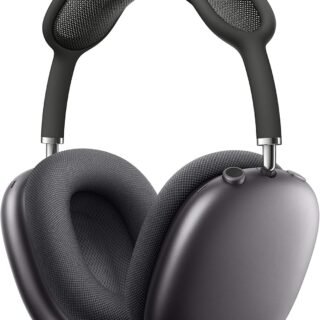 Apple AirPods Max Wireless Over-Ear Headphones, Active Noise Cancelling, Transparency Mode, Personalized Spatial Audio, Dolby Atmos, Bluetooth Headphones for iPhone – Space Gray
-
 Apple AirPods Pro 2 Wireless Earbuds, Active Noise Cancellation, Hearing Aid Feature, Bluetooth Headphones, Transparency, Personalized Spatial Audio, High-Fidelity Sound, H2 Chip, USB-C Charging
-
Home Garage 210 TC Cotton King Floral Fitted (Elastic) Bedsheet(Pack of 1, Grey)
Original price was: ₹999.00.₹299.00Current price is: ₹299.00.
Leave a Reply