Category
Popular Articles
- AI (20)
- Air Tag (1)
- Android (53)
- App Suggest (13)
- Apple (45)
- Apple TV (4)
- Bluetooth (3)
- Cars (2)
- ChatGpt (1)
- Chrome (3)
- Did you know? (1)
- E-Commerce News (1)
- Ecommerce Websites business (7)
- Electronics Shopping (5)
- Fashion Tips (3)
- Gaming (7)
- Google Gemini (3)
- Hair Care Tips (2)
- How to (13)
- iCloud (1)
- Infotainment System (1)
- Iphone (165)
- Job Posting (1)
- Lifestyle (3)
- MacBook (37)
- Mobile Games (1)
- Netflix (1)
- Online Shopping Websites (2)
- Personal Finance Management (3)
- Product Reviews (3)
- Roku TV (4)
- Samsung (10)
- Shopping Tips (13)
- Spotify (1)
- Tech (162)
- VPN (2)
- Windows 11 (105)
- Youtube (1)
- Zero Waste (3)
Discounted Products
-

Leo Creation 144 TC Cotton Double Jaipuri Prints Flat Bedsheet(Pack of 1, Blue, Gree, Red, Grey, Light Grey)
₹2,999.00Original price was: ₹2,999.00.₹329.00Current price is: ₹329.00. -
Home Garage 210 TC Cotton King Floral Fitted (Elastic) Bedsheet(Pack of 1, Grey)
₹999.00Original price was: ₹999.00.₹299.00Current price is: ₹299.00. -

Goodrik 140 TC Cotton Double 3D Printed Flat Bedsheet(Pack of 1, Brown)
₹499.00Original price was: ₹499.00.₹229.00Current price is: ₹229.00. -

GLOBALSHOP 350 TC Microfiber Double Floral Flat Bedsheet(Pack of 1, Multicolor)
₹1,250.00Original price was: ₹1,250.00.₹263.00Current price is: ₹263.00. -
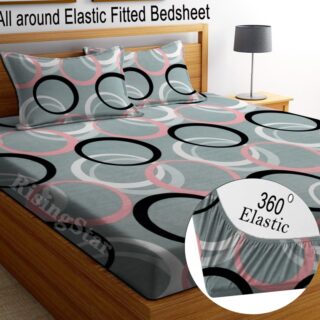
RisingStar 250 TC Microfiber King Printed Fitted (Elastic) Bedsheet(Pack of 1, FITTED-ROUND-CIRCLES-PREMIUM)
₹2,299.00Original price was: ₹2,299.00.₹299.00Current price is: ₹299.00. -
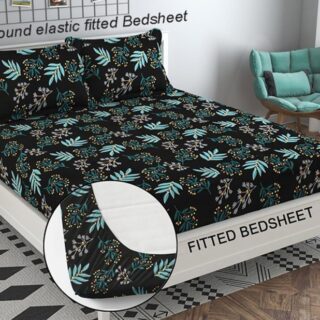
Home Garage 210 TC Cotton King Floral Fitted (Elastic) Bedsheet(Pack of 1, Fitted Black Green)
₹1,299.00Original price was: ₹1,299.00.₹299.00Current price is: ₹299.00. -

Home Garage 180 TC Cotton King 3D Printed Flat Bedsheet(Pack of 1, White)
₹999.00Original price was: ₹999.00.₹229.00Current price is: ₹229.00. -

Home Sizzler 153 cm (5 ft) Polyester Room Darkening Window Curtain (Pack Of 2)(Floral, Maroon)
₹799.00Original price was: ₹799.00.₹299.00Current price is: ₹299.00. -

Panipat Textile Hub 152.4 cm (5 ft) Polyester Window Curtain (Pack Of 2)(Solid, Aqua)
₹1,899.00Original price was: ₹1,899.00.₹299.00Current price is: ₹299.00. -
Home Sizzler 214 cm (7 ft) Polyester Semi Transparent Door Curtain (Pack Of 2)(Floral, Maroon)
₹1,199.00Original price was: ₹1,199.00.₹399.00Current price is: ₹399.00. -

Home Sizzler 153 cm (5 ft) Polyester Room Darkening Window Curtain (Pack Of 2)(Floral, Brown)
₹799.00Original price was: ₹799.00.₹299.00Current price is: ₹299.00. -

Stella Creations 214 cm (7 ft) Polyester Room Darkening Door Curtain (Pack Of 2)(Abstract, Brown)
₹1,299.00Original price was: ₹1,299.00.₹449.00Current price is: ₹449.00. -

Homefab India 152.5 cm (5 ft) Polyester Room Darkening Window Curtain (Pack Of 2)(Floral, Light Blue)
₹1,199.00Original price was: ₹1,199.00.₹319.00Current price is: ₹319.00. -

Urban Home 214 cm (7 ft) PVC Transparent Door Curtain Single Curtain(Solid, Off White)
₹699.00Original price was: ₹699.00.₹203.00Current price is: ₹203.00. -

Panipat Textile Hub 213 cm (7 ft) Polyester Door Curtain (Pack Of 2)(Solid, Brown)
₹1,199.00Original price was: ₹1,199.00.₹349.00Current price is: ₹349.00.
Affiliate Links
Promotion
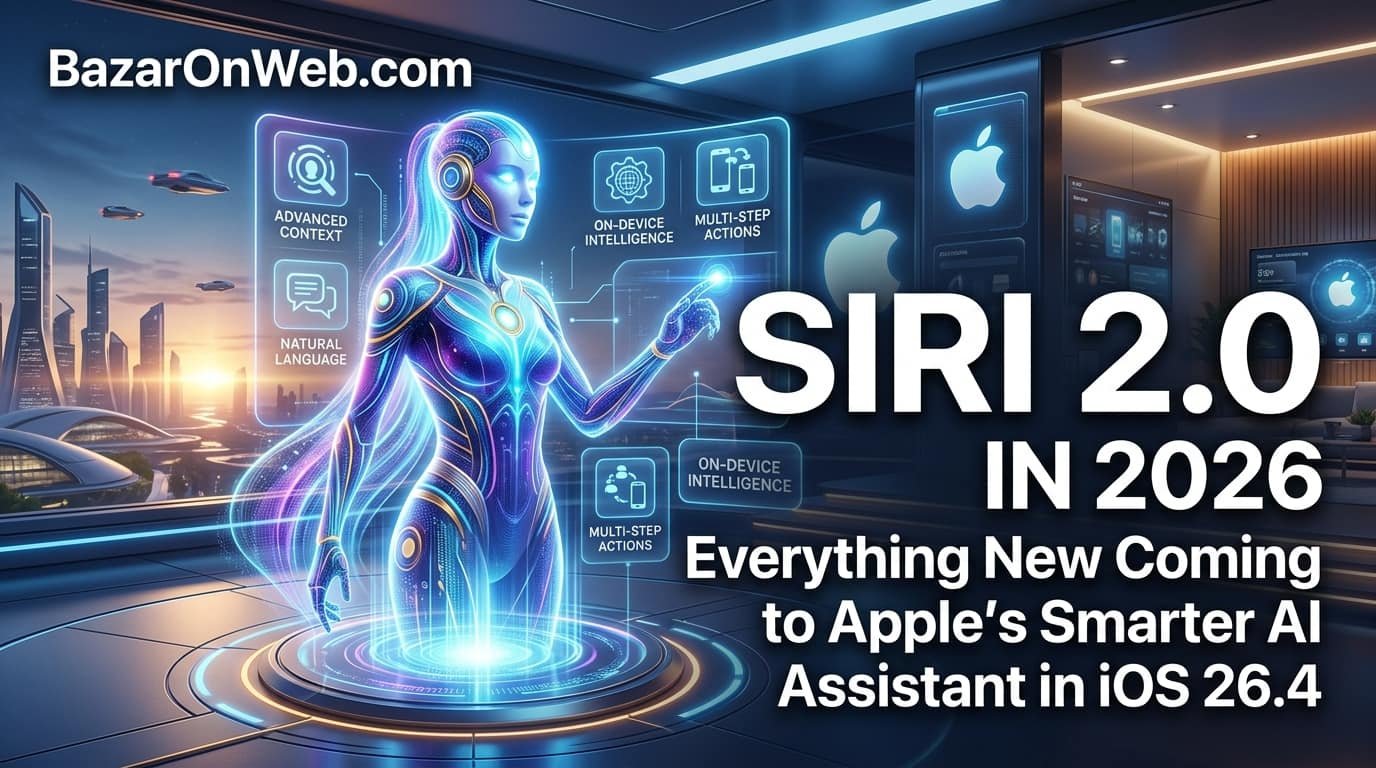
Hi, I’m Jessica, and I’ll admit that for years I mostly used Siri for simple things like setting timers, checking the weather, or asking my iPhone to call someone while I was driving. Compared to other AI assistants, Siri often felt limited and sometimes frustrating when it misunderstood context or failed to complete more advanced tasks. But the rumors and early reports surrounding Siri 2.0 in iOS 26.4 honestly sound like Apple is finally ready to transform Siri into the intelligent assistant many iPhone users have been waiting for. The biggest shift is that Siri may no longer just respond to isolated commands. Instead, it could understand what’s happening on your screen, learn your habits, connect information across apps, and provide highly personalized recommendations in real time. From pulling up travel details hidden in your emails to helping organize health insights and managing tasks more naturally, Siri 2.0 appears designed to function more like a true digital assistant rather than a voice shortcut tool. For Apple users deeply invested in the ecosystem, this update could dramatically change how they interact with iPhones, iPads, Macs, AirPods, and even smart home devices throughout daily life.
Siri 2.0 Could Finally Feel Truly Conversational
One of the biggest expected upgrades in Siri 2.0 is the move toward more natural and fluid conversations. Older versions of Siri often struggled with follow-up questions, contextual understanding, and long-form interactions. Users typically had to repeat information or rephrase commands multiple times to get accurate results. With iOS 26.4, Apple is reportedly redesigning Siri’s intelligence layer to better handle ongoing conversations in a way that feels closer to interacting with a real assistant.
This means users may be able to ask connected questions without constantly repeating context. For example, someone could ask Siri about nearby Italian restaurants, then follow up with questions about parking, pricing, or reservation availability without restarting the conversation. Siri would supposedly remember previous prompts and understand the subject automatically. That type of conversational memory has become standard in advanced AI systems, and Apple finally appears ready to integrate similar functionality deeply into iOS.
The improvement may also extend to speech recognition accuracy. Siri could become better at understanding accents, faster speech patterns, mixed-language usage, and casual phrasing. Instead of relying on rigid command structures, users may speak more naturally and still receive accurate responses. For busy professionals, students, travelers, and multitasking parents, this could make voice interaction significantly more useful during everyday activities. The overall experience may feel less robotic and more adaptive to how people naturally communicate.
Siri Will Understand What’s Happening on Your Screen
Perhaps the most exciting rumored feature of Siri 2.0 is screen awareness. This would allow Siri to understand the content currently displayed on your iPhone, iPad, or Mac screen and take intelligent actions based on that information. Apple users have wanted this functionality for years because it bridges the gap between passive voice commands and real-time productivity assistance.
Imagine reading a travel confirmation email and asking Siri, “Add this flight to my calendar.” Instead of manually copying details, Siri could identify the airline, departure time, terminal information, and arrival schedule directly from the screen. Similarly, while viewing a restaurant website, users might ask Siri to save the address, share the location, or book transportation without switching apps.
Screen awareness could also help students and professionals working with documents, spreadsheets, or presentations. Siri may summarize information, locate relevant files, or create reminders based on visible content. For online shoppers, Siri could compare prices, track delivery details, or organize receipts automatically.
The feature becomes even more powerful when paired with Apple’s privacy-focused on-device processing. Reports suggest Apple wants much of Siri’s contextual understanding to happen locally on the device rather than fully relying on cloud servers. That could allow users to benefit from advanced intelligence while still maintaining stronger privacy protections compared to some competing AI ecosystems. If implemented properly, screen-aware Siri could become one of the most meaningful productivity upgrades Apple has introduced in years.
Personalized Recommendations May Become Much Smarter
Another major improvement expected in Siri 2.0 involves deeper personalization. Apple has access to a wide range of user data across apps, devices, calendars, messages, reminders, music preferences, fitness routines, and browsing habits. Siri 2.0 may finally use that information intelligently to provide genuinely useful recommendations tailored to individual lifestyles.
For example, Siri could proactively suggest leaving early for meetings based on live traffic conditions, weather delays, and previous commuting patterns. It might recommend workout adjustments based on sleep quality collected through Apple Watch health tracking. If a user frequently orders food on certain evenings, Siri may suggest favorite restaurants at the usual time automatically.
Travel planning may become especially powerful. Siri could organize hotel reservations, airline tickets, local transportation options, and itinerary reminders into a single conversational experience. Instead of manually searching through emails for booking confirmations, users might simply ask Siri for their upcoming travel details.
Entertainment recommendations may also improve dramatically. Siri could suggest podcasts, playlists, TV shows, books, or news content based on mood, schedule, and past preferences. Unlike traditional recommendation engines that rely only on recent activity, Apple’s ecosystem allows Siri to understand broader lifestyle patterns.
If Apple balances personalization with transparent privacy controls, Siri 2.0 could become far more valuable than previous versions. The assistant may finally feel proactive instead of reactive, helping users make faster decisions while reducing the constant need to manually organize information across multiple apps and services.
Siri’s App Integration Could Become Much Deeper
Siri has supported app commands for years, but the execution has often felt inconsistent and limited. Siri 2.0 is expected to dramatically expand app integration capabilities, allowing users to control both Apple apps and third-party apps more intelligently through voice and contextual commands.
Rather than opening apps and performing actions manually, users may be able to complete multi-step workflows entirely through Siri. Someone could say, “Send the photos I took yesterday to Mom and create a shared album,” and Siri might automatically perform every step. Likewise, a user could ask Siri to summarize unread emails, organize tasks, or prepare navigation directions while coordinating across multiple apps simultaneously.
Third-party developers are also expected to benefit from improved AI APIs. This may allow banking apps, productivity tools, fitness platforms, and shopping services to integrate directly with Siri’s conversational intelligence. As a result, users could check account balances, reorder products, manage subscriptions, or track workouts using far more natural interactions.
One particularly important upgrade may involve cross-app understanding. Siri could connect information between apps instead of treating them separately. For example, if a text message mentions dinner plans, Siri might automatically suggest calendar scheduling, route planning, or restaurant reviews. That kind of interconnected awareness could significantly improve productivity and convenience.
If Apple successfully expands developer access while maintaining privacy protections, Siri 2.0 could become central to the iPhone experience instead of functioning as an occasionally used voice tool.
Health Tracking Features Could Become More Intelligent
Apple has spent years building its health ecosystem through Apple Watch, Health app integration, fitness tracking, sleep analysis, and wellness monitoring. Siri 2.0 may now become the conversational layer that ties all those health features together in a more meaningful way for users.
Instead of opening multiple apps to review health data, users might ask Siri questions naturally. Someone could ask about sleep quality trends, heart rate changes during workouts, hydration reminders, or progress toward fitness goals. Siri may provide contextual explanations instead of simply reading numbers from charts.
The assistant could also generate proactive wellness suggestions based on behavioral patterns. If Apple Watch detects poor sleep combined with elevated stress indicators, Siri might recommend lighter workouts, breathing exercises, or earlier bedtime routines. Users trying to improve fitness habits may receive personalized coaching recommendations tied to activity levels and recovery metrics.
Medication reminders and appointment management may also become more advanced. Siri could organize prescriptions, refill reminders, doctor appointments, and health records into a unified experience. For older users or people managing chronic conditions, these upgrades might become especially valuable.
Nutrition tracking may improve as well. Siri could analyze food logging habits, recommend healthier meal choices, or integrate with third-party wellness apps more effectively. The overall goal appears to be transforming Siri from a simple assistant into an intelligent wellness companion capable of supporting long-term healthy habits.
If Apple executes these features carefully and maintains strong privacy safeguards, Siri’s health integration could become one of the standout elements of iOS 26.4.
Siri Could Transform Productivity Across Apple Devices
Siri 2.0 may not just improve the iPhone experience. Apple appears to be positioning Siri as a cross-device AI assistant capable of managing tasks seamlessly between iPhone, iPad, Mac, Apple Watch, Vision devices, and even CarPlay systems. That ecosystem integration could become one of Apple’s biggest competitive advantages in the AI era.
Imagine starting a task on a MacBook and asking Siri to continue it later on an iPhone. Users might dictate reminders during a workout through AirPods and later see organized notes automatically appear on their iPad. Siri could become the intelligent bridge connecting workflows across every Apple device.
For professionals, this may dramatically improve task management. Siri could summarize missed notifications, organize meeting schedules, prepare presentation reminders, and coordinate email drafts across devices. Students may benefit from synchronized study reminders, note organization, and research assistance that follows them from classroom to home.
CarPlay integration may become particularly useful. Siri could manage navigation, calendar appointments, text messages, music playback, and smart home controls while understanding conversational context during driving. Instead of repeatedly issuing separate commands, users may interact naturally while Siri handles multiple connected tasks in the background.
Apple’s focus on device continuity already sets its ecosystem apart from competitors. By embedding more advanced AI capabilities into Siri, Apple could strengthen that advantage even further. Siri may evolve from an optional voice tool into the intelligent operating layer connecting every aspect of the Apple experience.
Privacy Could Remain Apple’s Biggest Selling Point
As AI assistants become more powerful, privacy concerns are increasing rapidly among consumers. One of Apple’s strongest marketing advantages with Siri 2.0 may be its emphasis on secure processing and user data protection. While competitors often rely heavily on cloud-based AI systems, Apple is expected to continue prioritizing on-device intelligence wherever possible.
This means sensitive personal information may remain stored locally on the user’s device instead of constantly being transmitted to remote servers. Features like screen awareness, contextual recommendations, and health insights could potentially operate with stronger privacy protections compared to many rival AI assistants.
Apple has consistently promoted transparency regarding data collection practices, and Siri 2.0 will likely continue that approach. Users may receive clearer controls over which apps Siri can access, what information is analyzed, and how personalized recommendations are generated. Those settings could become increasingly important as Siri gains access to emails, messages, travel data, health records, and financial information.
Privacy-focused AI could appeal strongly to professionals, families, and health-conscious users who want advanced assistant features without sacrificing personal data security. Businesses may also feel more comfortable integrating Apple AI tools into workplace environments if data protections remain strict.
Of course, Apple still faces the challenge of balancing privacy with functionality. Advanced AI systems typically improve through large-scale cloud learning and extensive data processing. Siri 2.0’s success may ultimately depend on whether Apple can deliver competitive intelligence while preserving the privacy standards its customers expect.
Siri May Become More Useful for Everyday Family Life
For families managing busy schedules, school routines, shopping lists, travel planning, and smart home devices, Siri 2.0 could become significantly more practical in daily life. Many households already rely on Apple products, but Siri’s limited capabilities previously prevented it from becoming a truly central assistant for family organization.
That may finally change with iOS 26.4. Parents could ask Siri to coordinate calendars, remind children about activities, organize grocery lists, and manage reminders across multiple devices simultaneously. Siri might automatically recognize recurring routines such as sports practice schedules, school pickup times, or weekly family events.
Smart home integration is also expected to improve. Siri may handle lighting adjustments, thermostat settings, security cameras, appliance controls, and entertainment systems more naturally through conversational requests. Instead of issuing separate smart home commands, users could make broader requests like preparing the house for bedtime or setting up movie night environments.
Shopping and budgeting assistance could become more intelligent too. Siri may organize receipts, track subscription renewals, suggest grocery purchases, and remind users about upcoming bills. Families juggling multiple financial responsibilities may appreciate those proactive reminders.
Travel coordination may be another major advantage. Siri could keep track of hotel reservations, flight schedules, passport reminders, and shared itineraries for entire families. If these features work reliably, Siri 2.0 could save users significant time while reducing the stress associated with managing complex daily routines.
Siri 2.0 Could Compete More Directly With AI Rivals
The AI assistant market has evolved dramatically over the past few years, with competitors introducing increasingly advanced conversational systems powered by generative AI technologies. Siri, once considered innovative, gradually fell behind in terms of flexibility, contextual understanding, and intelligent responses. Siri 2.0 appears to be Apple’s answer to that growing competition.
Apple likely understands that users now expect AI assistants to do more than answer basic questions. Consumers want systems capable of reasoning through tasks, organizing information intelligently, and adapting to personal habits. Siri 2.0 may represent Apple’s effort to close the gap with modern AI platforms while leveraging its unique hardware and software ecosystem advantages.
Unlike standalone AI chatbots, Siri has direct access to device functions, app integrations, and personal workflows. That could make Siri more useful in practical daily situations than some purely conversational AI systems. For example, Siri may be able to execute actions across apps instantly rather than simply providing suggestions.
Apple’s challenge will be delivering reliability. Users may forgive experimental AI mistakes in standalone chat applications, but they expect core smartphone assistants to function consistently during important tasks. Siri 2.0 must balance intelligence with accuracy, speed, and stability.
If Apple successfully modernizes Siri without compromising privacy, performance, or usability, the assistant could re-emerge as one of the most important features driving future iPhone upgrades and ecosystem loyalty.
What Siri 2.0 Could Mean for the Future of Apple Intelligence
Siri 2.0 may ultimately represent something much larger than a voice assistant upgrade. It could become the foundation for Apple’s broader AI strategy across all hardware and software platforms in the coming years. iOS 26.4 might simply be the first major step toward a deeply integrated Apple Intelligence ecosystem.
Future versions of Siri may become increasingly predictive, capable of anticipating user needs before commands are even spoken. Instead of manually organizing schedules, planning routines, or searching for information, users may rely on Siri to manage large portions of digital life automatically. That shift could fundamentally change how people interact with technology daily.
Apple may also integrate Siri more deeply into wearable devices, smart glasses, mixed reality platforms, and automotive systems. A conversational AI layer spanning every Apple product could create an experience where users interact naturally with technology instead of navigating traditional menus and interfaces constantly.
Developers are also likely to build entirely new app experiences around Siri’s expanded intelligence capabilities. Voice-first workflows, contextual automation, and AI-driven productivity tools may become much more common throughout the Apple ecosystem.
While many details about Siri 2.0 remain unofficial, the direction appears clear. Apple wants Siri to evolve from a limited voice assistant into a central AI companion deeply embedded into personal productivity, communication, wellness, entertainment, and everyday decision-making. If executed successfully, Siri 2.0 could become one of the most transformative updates in recent iPhone history.
Disclaimer
This article is based on leaks, industry reports, analyst expectations, and unofficial information surrounding future Apple software updates. Features, names, release timelines, and capabilities related to Siri 2.0 and iOS 26.4 may change before official announcements by Apple. Readers should refer to official Apple announcements and software release notes for confirmed details and availability.
Written by Bazaronweb
Latest Tech Articles
- Siri 2.0 in 2026: Everything New Coming to Apple’s Smarter AI Assistant in iOS 26.4

- Will Apple Launch an iPhone 18 in 2026? Everything We Know About the Delayed Release Strategy

- iPhone Fold 2026: Everything We Know About Apple’s First Foldable iPhone So Far

- iPhone 17 Pro Max Battery Life in 2026: Is Apple Finally Winning the All-Day Battery Battle?

- Which iPhones Support Apple Intelligence in 2026? Complete Compatibility Guide for Every Model

Products
-
Apple Watch Ultra 3 [GPS + Cellular 49mm] Running & Multisport Smartwatch w/Rugged Titanium Case w/Black Titanium Milanese Loop - M. Satellite Communications, Advanced Health & Fitness Tracking
-
Apple iPad mini (A17 Pro): Apple Intelligence, 8.3-inch Liquid Retina Display, 256GB, Wi-Fi 6E, 12MP Front/12MP Back Camera, Touch ID, All-Day Battery Life — Purple
-
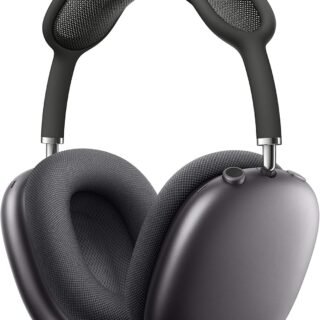
Apple AirPods Max Wireless Over-Ear Headphones, Active Noise Cancelling, Transparency Mode, Personalized Spatial Audio, Dolby Atmos, Bluetooth Headphones for iPhone – Space Gray
-
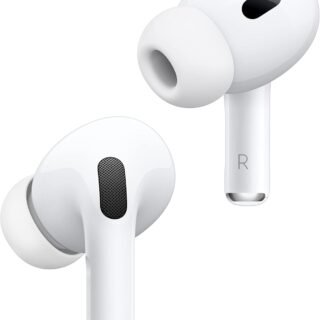
Apple AirPods Pro 2 Wireless Earbuds, Active Noise Cancellation, Hearing Aid Feature, Bluetooth Headphones, Transparency, Personalized Spatial Audio, High-Fidelity Sound, H2 Chip, USB-C Charging
-
Leo Creation 144 TC Cotton Double Jaipuri Prints Flat Bedsheet(Pack of 1, Blue, Gree, Red, Grey, Light Grey)
₹2,999.00Original price was: ₹2,999.00.₹329.00Current price is: ₹329.00.
Leave a Reply