Category
Popular Articles
- AI (20)
- Air Tag (1)
- Android (53)
- App Suggest (13)
- Apple (45)
- Apple TV (4)
- Bluetooth (3)
- Cars (2)
- ChatGpt (1)
- Chrome (3)
- Did you know? (1)
- E-Commerce News (1)
- Ecommerce Websites business (7)
- Electronics Shopping (5)
- Fashion Tips (3)
- Gaming (7)
- Google Gemini (3)
- Hair Care Tips (2)
- How to (13)
- iCloud (1)
- Infotainment System (1)
- Iphone (165)
- Job Posting (1)
- Lifestyle (3)
- MacBook (37)
- Mobile Games (1)
- Netflix (1)
- Online Shopping Websites (2)
- Personal Finance Management (3)
- Product Reviews (3)
- Roku TV (4)
- Samsung (10)
- Shopping Tips (13)
- Spotify (1)
- Tech (162)
- VPN (2)
- Windows 11 (105)
- Youtube (1)
- Zero Waste (3)
Discounted Products
-

Leo Creation 144 TC Cotton Double Jaipuri Prints Flat Bedsheet(Pack of 1, Blue, Gree, Red, Grey, Light Grey)
₹2,999.00Original price was: ₹2,999.00.₹329.00Current price is: ₹329.00. -
Home Garage 210 TC Cotton King Floral Fitted (Elastic) Bedsheet(Pack of 1, Grey)
₹999.00Original price was: ₹999.00.₹299.00Current price is: ₹299.00. -

Goodrik 140 TC Cotton Double 3D Printed Flat Bedsheet(Pack of 1, Brown)
₹499.00Original price was: ₹499.00.₹229.00Current price is: ₹229.00. -

GLOBALSHOP 350 TC Microfiber Double Floral Flat Bedsheet(Pack of 1, Multicolor)
₹1,250.00Original price was: ₹1,250.00.₹263.00Current price is: ₹263.00. -

RisingStar 250 TC Microfiber King Printed Fitted (Elastic) Bedsheet(Pack of 1, FITTED-ROUND-CIRCLES-PREMIUM)
₹2,299.00Original price was: ₹2,299.00.₹299.00Current price is: ₹299.00. -

Home Garage 210 TC Cotton King Floral Fitted (Elastic) Bedsheet(Pack of 1, Fitted Black Green)
₹1,299.00Original price was: ₹1,299.00.₹299.00Current price is: ₹299.00. -

Home Garage 180 TC Cotton King 3D Printed Flat Bedsheet(Pack of 1, White)
₹999.00Original price was: ₹999.00.₹229.00Current price is: ₹229.00. -

Home Sizzler 153 cm (5 ft) Polyester Room Darkening Window Curtain (Pack Of 2)(Floral, Maroon)
₹799.00Original price was: ₹799.00.₹299.00Current price is: ₹299.00. -

Panipat Textile Hub 152.4 cm (5 ft) Polyester Window Curtain (Pack Of 2)(Solid, Aqua)
₹1,899.00Original price was: ₹1,899.00.₹299.00Current price is: ₹299.00. -
Home Sizzler 214 cm (7 ft) Polyester Semi Transparent Door Curtain (Pack Of 2)(Floral, Maroon)
₹1,199.00Original price was: ₹1,199.00.₹399.00Current price is: ₹399.00. -

Home Sizzler 153 cm (5 ft) Polyester Room Darkening Window Curtain (Pack Of 2)(Floral, Brown)
₹799.00Original price was: ₹799.00.₹299.00Current price is: ₹299.00. -

Stella Creations 214 cm (7 ft) Polyester Room Darkening Door Curtain (Pack Of 2)(Abstract, Brown)
₹1,299.00Original price was: ₹1,299.00.₹449.00Current price is: ₹449.00. -

Homefab India 152.5 cm (5 ft) Polyester Room Darkening Window Curtain (Pack Of 2)(Floral, Light Blue)
₹1,199.00Original price was: ₹1,199.00.₹319.00Current price is: ₹319.00. -

Urban Home 214 cm (7 ft) PVC Transparent Door Curtain Single Curtain(Solid, Off White)
₹699.00Original price was: ₹699.00.₹203.00Current price is: ₹203.00. -

Panipat Textile Hub 213 cm (7 ft) Polyester Door Curtain (Pack Of 2)(Solid, Brown)
₹1,199.00Original price was: ₹1,199.00.₹349.00Current price is: ₹349.00.
Affiliate Links
Promotion
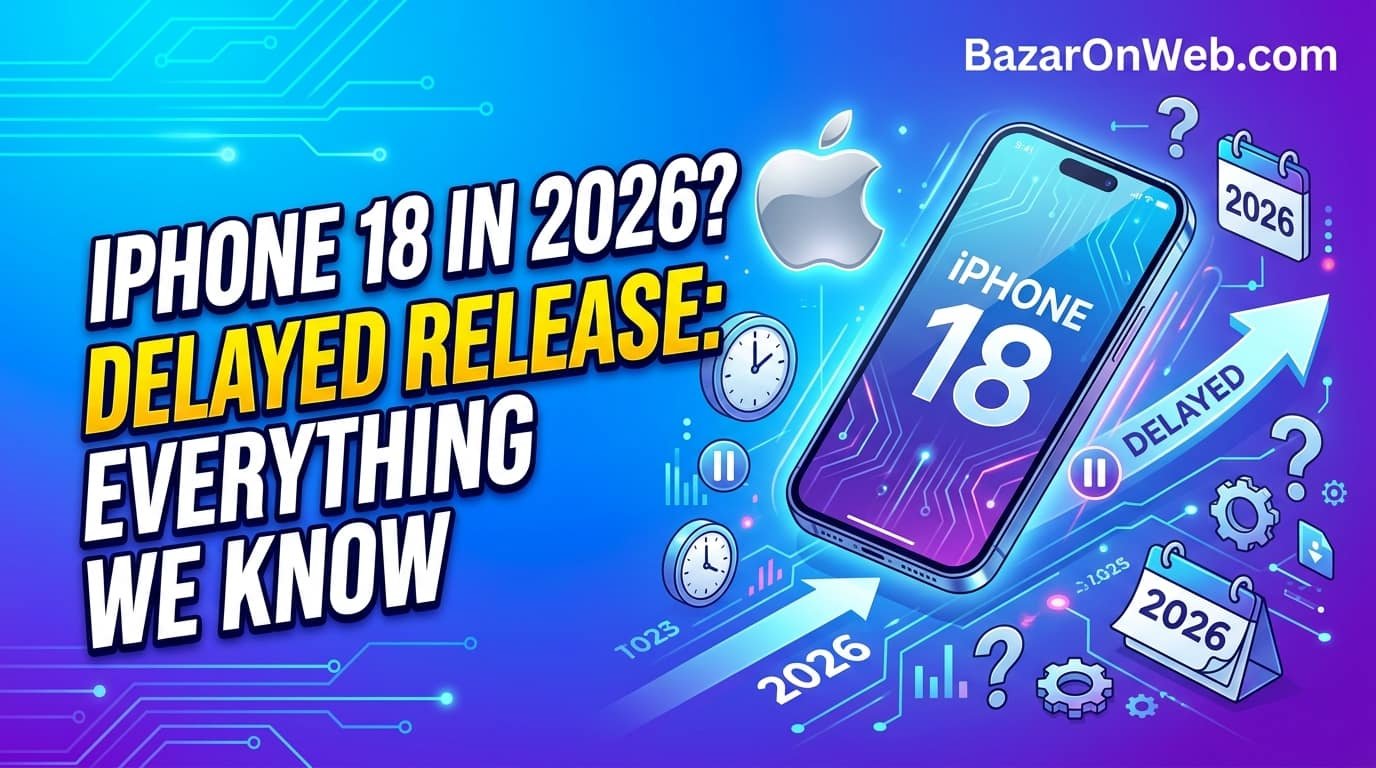
Hi, I’m Jessica, and honestly, this is one of the most unusual iPhone rumor cycles I’ve seen in years. Usually, Apple’s September launch lineup feels predictable: standard iPhone models, Pro versions, and maybe one surprise feature. But the latest reports suggest that 2026 could look very different. Instead of launching the full iPhone 18 family together, Apple may reportedly delay the regular iPhone 18 until early 2027. That would be a massive shift in Apple’s long-established release pattern and could completely change how consumers shop for iPhones.
The biggest reason behind this rumored delay appears to be the arrival of the long-awaited iPhone Fold. According to reports from The Information and well-known Apple analyst Ming-Chi Kuo, Apple may prioritize premium devices like the iPhone Fold, iPhone 18 Pro, iPhone 18 Pro Max, and the next-generation iPhone Air during the September 2026 event. This means the base iPhone 18 may not arrive alongside the premium models for the first time in modern iPhone history.
For everyday buyers, this raises important questions. Will the standard iPhone become less important? Will foldable phones become Apple’s new flagship direction? And should users wait for the delayed base model or upgrade earlier? Let’s break down everything currently rumored about Apple’s possible iPhone 18 strategy for 2026 and what it could mean for consumers worldwide.
Apple May Completely Change Its Traditional iPhone Launch Timeline
For nearly two decades, Apple has followed a relatively stable launch strategy for iPhones. Most major models arrive together in September, allowing buyers to compare devices side by side. Reports surrounding the iPhone 18 lineup, however, suggest Apple could abandon this familiar pattern in 2026. Instead of releasing every version simultaneously, Apple may stagger launches across different time periods to better position premium devices.
According to supply-chain reports and analyst discussions, the company may launch the iPhone 18 Pro, iPhone 18 Pro Max, next-generation iPhone Air, and the all-new iPhone Fold during the traditional September event. The regular iPhone 18, meanwhile, could reportedly arrive months later in early 2027. If true, this would represent one of Apple’s biggest marketing and hardware strategy changes in recent years.
This approach may help Apple focus consumer attention on higher-profit premium products. Foldable smartphones are expected to carry extremely high pricing, and Apple likely wants maximum spotlight visibility during launch season. Releasing the standard iPhone 18 simultaneously might divide attention and reduce premium upgrade momentum.
The delayed launch could also help Apple better manage production logistics. Foldable displays, advanced cooling systems, thinner hardware designs, and next-generation AI features may require more manufacturing resources than previous iPhones. By spacing launches apart, Apple may reduce supply-chain pressure while improving inventory availability during the critical holiday season.
Why Apple Could Delay the Standard iPhone 18 Until 2027
The rumored delay of the base iPhone 18 is not likely a random decision. Analysts believe Apple may be intentionally repositioning the standard model within its overall product ecosystem. Over the past few years, the company has increasingly pushed consumers toward premium-tier devices through exclusive features, advanced cameras, and next-generation processors.
The standard iPhone models still sell in huge numbers, but premium iPhones now generate stronger profit margins. Devices like the Pro Max versions consistently dominate high-end smartphone revenue globally. Introducing the iPhone Fold in 2026 could intensify Apple’s premium-first strategy even further. To avoid competing internally for consumer attention, Apple may separate the launch cycles.
Another important factor may involve component availability. Foldable devices require sophisticated engineering solutions including flexible OLED displays, ultra-thin hinges, stronger internal frame systems, and highly optimized battery layouts. Apple is known for delaying products rather than launching unfinished hardware. If the company believes the Fold deserves full engineering focus, delaying the regular iPhone 18 becomes strategically understandable.
There is also the possibility that Apple wants to create a second major sales season during early 2027. Instead of relying only on September launches, the company could spread major iPhone releases across the year. This would maintain continuous media attention, stabilize sales momentum, and create fresh upgrade cycles for customers who skipped premium models earlier.
If these rumors prove accurate, Apple’s smartphone business model may look very different moving forward.
The iPhone Fold Could Become Apple’s Biggest Product Launch in Years
The rumored iPhone Fold is arguably the most anticipated Apple hardware product since the first iPhone Ultra rumors began circulating. Foldable smartphones already exist from companies like Samsung, Google, and Huawei, but Apple has historically waited until technologies mature before entering new categories. That patience may finally pay off in 2026.
Reports suggest Apple’s foldable iPhone could feature a premium book-style design with advanced durability improvements compared to existing foldable competitors. Analysts expect Apple to heavily focus on hinge reliability, crease reduction, multitasking software, and battery optimization. These areas remain key weaknesses in many current foldable smartphones.
If Apple launches the Fold alongside the iPhone 18 Pro lineup, the company will likely position it as the centerpiece of the entire event. That could explain why the standard iPhone 18 may be postponed. Apple probably wants consumers, media outlets, and developers fully focused on the Fold ecosystem rather than comparing it directly with a lower-cost traditional model.
The iPhone Fold may also become Apple’s most expensive mainstream phone ever released. Industry speculation points toward ultra-premium pricing, potentially crossing price ranges normally associated with high-end laptops. Apple may market it not just as a smartphone but as a hybrid productivity and entertainment device.
A successful Fold launch could dramatically reshape Apple’s future product roadmap. If consumer adoption becomes strong, foldable devices may eventually sit alongside traditional iPhones as permanent flagship categories rather than experimental products.
The iPhone Air Could Replace the Role of Standard iPhones
One of the most interesting parts of the 2026 rumor cycle is the continued discussion surrounding the iPhone Air. Apple reportedly wants this model to focus heavily on thinness, lightweight construction, and minimalist premium design. If successful, the Air could become the preferred upgrade option for users who previously purchased standard iPhones.
The company has already demonstrated strong branding success with products carrying the “Air” label, including MacBook Air and iPad Air devices. These products typically balance premium experiences with lighter designs and slightly more accessible pricing than flagship Pro models. Applying this strategy to iPhones could significantly reshape Apple’s lineup structure.
Instead of positioning the regular iPhone as the primary mainstream option, Apple may use the iPhone Air to attract consumers who want a modern premium experience without paying Fold or Pro Max prices. This would leave the standard iPhone 18 in a more complicated market position, possibly contributing to the rumored delay.
Reports suggest the iPhone Air could feature an ultra-thin body, advanced OLED technology, next-generation Apple Intelligence integration, and premium materials while sacrificing some Pro-exclusive camera capabilities. Such a strategy could appeal strongly to style-conscious users prioritizing portability and battery efficiency.
If Apple succeeds with this repositioning, the company may eventually move toward a lineup centered around Air, Pro, Pro Max, and Fold devices, while standard models become secondary or seasonal releases.
Apple’s Premium Device Strategy Is Becoming More Aggressive
Over the last several years, Apple has gradually separated its premium iPhones from standard models through exclusive hardware and software experiences. Features like ProMotion displays, titanium frames, advanced zoom systems, larger sensors, and high-performance chipsets increasingly debut only on Pro devices. The rumored 2026 strategy appears to continue this trend aggressively.
Delaying the standard iPhone 18 could psychologically reinforce the idea that premium devices are now Apple’s main innovation platforms. Instead of unveiling all devices equally, Apple may dedicate its major launch presentation entirely to cutting-edge hardware like the Fold and Pro lineup.
This strategy could also improve average selling prices across Apple’s iPhone business. If consumers choosing upgrades in late 2026 only see premium devices available, some buyers may spend more than originally planned. Apple has historically excelled at creating aspirational product tiers that encourage upselling without explicitly forcing it.
The rise of AI-powered smartphone features may also contribute to this shift. Advanced on-device AI processing requires increasingly powerful chips and larger memory configurations. Premium iPhones naturally become better platforms for intensive Apple Intelligence features. Apple may therefore focus its AI innovation on expensive hardware first before bringing simplified versions to mainstream devices later.
For consumers, this means future iPhone buying decisions may become more segmented than ever before. Instead of simply choosing between standard and Pro models, buyers may soon navigate entirely separate hardware philosophies and launch schedules.
How Consumers Might React to a Delayed Base iPhone 18
Consumer reaction to a delayed iPhone 18 launch could vary dramatically depending on pricing, feature differences, and upgrade timing. Some users may feel frustrated if they traditionally purchase standard iPhones during the annual September cycle. Others may simply upgrade earlier to the iPhone Air or older discounted models instead.
One major concern involves confusion during the buying season. Apple’s straightforward lineup structure has long been one of its biggest advantages. Introducing staggered launches may complicate upgrade decisions, especially for casual buyers who do not closely follow technology news throughout the year.
There is also the question of affordability. If Apple’s September 2026 lineup focuses heavily on expensive premium devices, budget-conscious consumers may temporarily have fewer attractive upgrade choices. This could push some users toward older-generation iPhones or even competing Android phones offering strong value.
On the other hand, a delayed launch could actually help some consumers financially. Waiting until early 2027 may allow Apple to introduce the standard iPhone 18 with more refined software, stable AI features, and improved manufacturing yields. Buyers who prefer practical long-term reliability over first-generation premium innovation may ultimately benefit.
Apple will likely attempt to carefully control messaging if this strategy becomes official. The company traditionally avoids making products appear “delayed” and instead frames launch timing around delivering the best possible user experience.
The Foldable Smartphone Market Could Change Completely After Apple Enters
Apple’s entry into the foldable smartphone category may impact the entire mobile industry, not just iPhone buyers. Historically, when Apple adopts a technology category, mainstream consumer adoption tends to accelerate rapidly. Features once considered niche often become industry standards after Apple integrates them into its ecosystem.
Foldable phones currently remain relatively specialized products despite years of development from Android manufacturers. Many consumers still worry about durability, battery life, thickness, app optimization, and long-term reliability. Apple may attempt to solve these concerns through hardware refinement and deeper software integration.
The company’s developer ecosystem also gives it a major advantage. If Apple encourages app developers to optimize experiences specifically for foldable multitasking and flexible screen layouts, the iPhone Fold could deliver a smoother ecosystem experience than current competitors.
Competitors would almost certainly respond aggressively. Samsung, Google, Xiaomi, Oppo, and Huawei would likely accelerate innovation cycles to maintain leadership positions. Foldable phone prices may also become more competitive as adoption increases globally.
Apple’s marketing influence could additionally reshape consumer expectations around smartphone design itself. If the Fold becomes successful, future smartphones may increasingly prioritize adaptable screen formats, multitasking experiences, and productivity-focused mobile computing instead of traditional slab-style designs.
That possibility alone explains why Apple may dedicate enormous attention and marketing resources toward the Fold launch rather than the standard iPhone 18.
Apple’s Supply Chain Challenges May Influence the Entire 2026 Lineup
Manufacturing advanced smartphones has become increasingly difficult due to component complexity, geopolitical pressures, and evolving consumer expectations. Apple operates one of the world’s most sophisticated supply chains, but even the company faces limitations when introducing entirely new hardware categories.
The iPhone Fold would likely require specialized display manufacturing, stronger hinge testing, advanced battery engineering, and extremely precise assembly processes. These challenges become even more complicated when combined with the simultaneous launch of Pro models and next-generation AI-powered hardware.
Analysts believe Apple may intentionally simplify launch logistics by reducing the number of simultaneously released devices. Delaying the standard iPhone 18 could help suppliers prioritize premium production targets while minimizing shortages during launch season.
Apple has experienced supply-related issues before, particularly during periods involving major design changes or global disruptions. Lessons learned from past shortages may now influence future release strategies more aggressively. Rather than risk under-delivering during a highly anticipated Fold launch, Apple may choose controlled rollout scheduling instead.
This approach may also improve product quality. Additional development time for the standard iPhone 18 could allow Apple to optimize thermals, AI performance, battery efficiency, and software stability before release. In many cases, delayed products ultimately launch in more polished conditions compared to rushed simultaneous releases.
Consumers may not immediately appreciate staggered launches, but from Apple’s operational perspective, the strategy could offer substantial long-term advantages.
Should Buyers Wait for the Standard iPhone 18 or Upgrade Earlier?
If the rumors become reality, many consumers will face difficult upgrade decisions during late 2026. Users with older iPhones may wonder whether to buy the iPhone Air, choose a Pro model, explore the Fold, or simply wait for the delayed standard iPhone 18 release.
The answer will likely depend on individual priorities. Buyers wanting the latest innovation and premium features may naturally gravitate toward the Fold or Pro lineup. These devices will probably receive Apple’s most advanced AI capabilities, display technology, and camera systems.
Consumers focused on balanced value may prefer waiting for the standard iPhone 18, especially if Apple positions it as a refined mainstream option with optimized pricing. Historically, standard iPhones still deliver excellent long-term software support and overall reliability, making them attractive for practical users.
Another factor involves first-generation hardware risk. Foldable phones remain relatively new territory even for experienced manufacturers. Some buyers may prefer allowing Apple time to refine foldable technology before investing in expensive experimental hardware.
The iPhone Air may emerge as the compromise choice for many people. If Apple successfully combines thin premium design, strong performance, and moderate pricing, it could attract a large portion of mainstream consumers who might otherwise wait for the base model.
Ultimately, Apple’s official pricing and feature positioning will determine whether delaying the standard iPhone 18 becomes a successful strategy or a controversial experiment.
The Future of iPhone Launches Could Look Very Different After 2026
If Apple truly separates the standard iPhone 18 launch from its premium lineup, the decision may represent more than a one-time scheduling adjustment. It could signal the beginning of an entirely new era for Apple’s smartphone business strategy.
Technology companies increasingly operate through continuous product ecosystems rather than single annual launches. Apple already spreads major releases across different months with Macs, iPads, services, and wearables. Expanding this approach to iPhones could help maintain year-round media attention and steadier revenue patterns.
The smartphone market itself is also maturing. Consumers now upgrade less frequently than during earlier iPhone generations. To sustain growth, Apple may need more differentiated product categories targeting specific user lifestyles instead of relying on one universal launch structure.
Foldable devices, AI integration, thinner designs, and new hardware categories may push Apple toward increasingly segmented releases. Future consumers may eventually see separate launch windows for Fold devices, Air models, Pro models, and standard iPhones as completely normal.
While current information remains based on leaks and analyst reports rather than official confirmation, the possibility alone demonstrates how rapidly the smartphone industry continues evolving. Apple’s 2026 strategy could become one of the company’s most important transitions since introducing larger-screen iPhones years ago.
Whether the standard iPhone 18 launches in September 2026 or early 2027, one thing is clear: Apple appears ready to reshape the future of the iPhone lineup in a very significant way.
Disclaimer
The information in this article is based on industry reports, analyst predictions, leaks, and supply-chain rumors available at the time of writing. Apple has not officially confirmed the launch schedule, specifications, or existence of the iPhone 18 lineup or iPhone Fold. Actual product names, release dates, features, and pricing may differ when officially announced. Readers should consider this article informational and speculative rather than confirmed product guidance.
Written by Bazaronweb
Latest Tech Articles
- Siri 2.0 in 2026: Everything New Coming to Apple’s Smarter AI Assistant in iOS 26.4

- Will Apple Launch an iPhone 18 in 2026? Everything We Know About the Delayed Release Strategy

- iPhone Fold 2026: Everything We Know About Apple’s First Foldable iPhone So Far

- iPhone 17 Pro Max Battery Life in 2026: Is Apple Finally Winning the All-Day Battery Battle?

- Which iPhones Support Apple Intelligence in 2026? Complete Compatibility Guide for Every Model

Products
-
Apple Watch Ultra 3 [GPS + Cellular 49mm] Running & Multisport Smartwatch w/Rugged Titanium Case w/Black Titanium Milanese Loop - M. Satellite Communications, Advanced Health & Fitness Tracking
-
Apple iPad mini (A17 Pro): Apple Intelligence, 8.3-inch Liquid Retina Display, 256GB, Wi-Fi 6E, 12MP Front/12MP Back Camera, Touch ID, All-Day Battery Life — Purple
-

Apple AirPods Max Wireless Over-Ear Headphones, Active Noise Cancelling, Transparency Mode, Personalized Spatial Audio, Dolby Atmos, Bluetooth Headphones for iPhone – Space Gray
-
Apple AirPods Pro 2 Wireless Earbuds, Active Noise Cancellation, Hearing Aid Feature, Bluetooth Headphones, Transparency, Personalized Spatial Audio, High-Fidelity Sound, H2 Chip, USB-C Charging
-
Leo Creation 144 TC Cotton Double Jaipuri Prints Flat Bedsheet(Pack of 1, Blue, Gree, Red, Grey, Light Grey)
₹2,999.00Original price was: ₹2,999.00.₹329.00Current price is: ₹329.00.
Leave a Reply