Discounted Products
-
 Home Garage 210 TC Cotton King Floral Fitted (Elastic) Bedsheet(Pack of 1, Grey)
Original price was: ₹999.00.₹299.00Current price is: ₹299.00.
Home Garage 210 TC Cotton King Floral Fitted (Elastic) Bedsheet(Pack of 1, Grey)
Original price was: ₹999.00.₹299.00Current price is: ₹299.00.
-
 Goodrik 140 TC Cotton Double 3D Printed Flat Bedsheet(Pack of 1, Brown)
Original price was: ₹499.00.₹229.00Current price is: ₹229.00.
Goodrik 140 TC Cotton Double 3D Printed Flat Bedsheet(Pack of 1, Brown)
Original price was: ₹499.00.₹229.00Current price is: ₹229.00.
-
 GLOBALSHOP 350 TC Microfiber Double Floral Flat Bedsheet(Pack of 1, Multicolor)
Original price was: ₹1,250.00.₹263.00Current price is: ₹263.00.
GLOBALSHOP 350 TC Microfiber Double Floral Flat Bedsheet(Pack of 1, Multicolor)
Original price was: ₹1,250.00.₹263.00Current price is: ₹263.00.
-
 RisingStar 250 TC Microfiber King Printed Fitted (Elastic) Bedsheet(Pack of 1, FITTED-ROUND-CIRCLES-PREMIUM)
Original price was: ₹2,299.00.₹299.00Current price is: ₹299.00.
RisingStar 250 TC Microfiber King Printed Fitted (Elastic) Bedsheet(Pack of 1, FITTED-ROUND-CIRCLES-PREMIUM)
Original price was: ₹2,299.00.₹299.00Current price is: ₹299.00.
-
 Home Garage 210 TC Cotton King Floral Fitted (Elastic) Bedsheet(Pack of 1, Fitted Black Green)
Original price was: ₹1,299.00.₹299.00Current price is: ₹299.00.
Home Garage 210 TC Cotton King Floral Fitted (Elastic) Bedsheet(Pack of 1, Fitted Black Green)
Original price was: ₹1,299.00.₹299.00Current price is: ₹299.00.
-
 Home Garage 180 TC Cotton King 3D Printed Flat Bedsheet(Pack of 1, White)
Original price was: ₹999.00.₹229.00Current price is: ₹229.00.
Home Garage 180 TC Cotton King 3D Printed Flat Bedsheet(Pack of 1, White)
Original price was: ₹999.00.₹229.00Current price is: ₹229.00.
-
 Panipat Textile Hub 152.4 cm (5 ft) Polyester Window Curtain (Pack Of 2)(Solid, Aqua)
Original price was: ₹1,899.00.₹299.00Current price is: ₹299.00.
Panipat Textile Hub 152.4 cm (5 ft) Polyester Window Curtain (Pack Of 2)(Solid, Aqua)
Original price was: ₹1,899.00.₹299.00Current price is: ₹299.00.
-
 Home Sizzler 214 cm (7 ft) Polyester Semi Transparent Door Curtain (Pack Of 2)(Floral, Maroon)
Original price was: ₹1,199.00.₹399.00Current price is: ₹399.00.
Home Sizzler 214 cm (7 ft) Polyester Semi Transparent Door Curtain (Pack Of 2)(Floral, Maroon)
Original price was: ₹1,199.00.₹399.00Current price is: ₹399.00.
-
 Home Sizzler 153 cm (5 ft) Polyester Room Darkening Window Curtain (Pack Of 2)(Floral, Brown)
Original price was: ₹799.00.₹299.00Current price is: ₹299.00.
Home Sizzler 153 cm (5 ft) Polyester Room Darkening Window Curtain (Pack Of 2)(Floral, Brown)
Original price was: ₹799.00.₹299.00Current price is: ₹299.00.
-
 Stella Creations 214 cm (7 ft) Polyester Room Darkening Door Curtain (Pack Of 2)(Abstract, Brown)
Original price was: ₹1,299.00.₹449.00Current price is: ₹449.00.
Stella Creations 214 cm (7 ft) Polyester Room Darkening Door Curtain (Pack Of 2)(Abstract, Brown)
Original price was: ₹1,299.00.₹449.00Current price is: ₹449.00.
-
 Homefab India 152.5 cm (5 ft) Polyester Room Darkening Window Curtain (Pack Of 2)(Floral, Light Blue)
Original price was: ₹1,199.00.₹319.00Current price is: ₹319.00.
Homefab India 152.5 cm (5 ft) Polyester Room Darkening Window Curtain (Pack Of 2)(Floral, Light Blue)
Original price was: ₹1,199.00.₹319.00Current price is: ₹319.00.
-
 Urban Home 214 cm (7 ft) PVC Transparent Door Curtain Single Curtain(Solid, Off White)
Original price was: ₹699.00.₹203.00Current price is: ₹203.00.
Urban Home 214 cm (7 ft) PVC Transparent Door Curtain Single Curtain(Solid, Off White)
Original price was: ₹699.00.₹203.00Current price is: ₹203.00.
-
 Panipat Textile Hub 213 cm (7 ft) Polyester Door Curtain (Pack Of 2)(Solid, Brown)
Original price was: ₹1,199.00.₹349.00Current price is: ₹349.00.
Panipat Textile Hub 213 cm (7 ft) Polyester Door Curtain (Pack Of 2)(Solid, Brown)
Original price was: ₹1,199.00.₹349.00Current price is: ₹349.00.
-
 Home Sizzler 214 cm (7 ft) Polyester Semi Transparent Door Curtain (Pack Of 2)(Floral, Brown)
Original price was: ₹999.00.₹349.00Current price is: ₹349.00.
Home Sizzler 214 cm (7 ft) Polyester Semi Transparent Door Curtain (Pack Of 2)(Floral, Brown)
Original price was: ₹999.00.₹349.00Current price is: ₹349.00.
-
 Panipat Textile Hub 213 cm (7 ft) Polyester Semi Transparent Door Curtain (Pack Of 2)(Floral, Brown)
Original price was: ₹899.00.₹299.00Current price is: ₹299.00.
Panipat Textile Hub 213 cm (7 ft) Polyester Semi Transparent Door Curtain (Pack Of 2)(Floral, Brown)
Original price was: ₹899.00.₹299.00Current price is: ₹299.00.

Introduction
There’s nothing more frustrating than settling in to listen to your favorite playlist and having Spotify crash mid-song. I’ve been there—tapping the app only to see it immediately close, or having it freeze completely, forcing me to force-close it. As someone who relies on Spotify for my daily commute music and workout soundtracks, I understand how disruptive these crashes are to your day. What I’ve discovered through troubleshooting and research is that Spotify crashes on iPhone are usually fixable with straightforward steps, and you don’t need to contact support or do anything drastic. The good news is that most crashes result from common issues like outdated app versions, insufficient storage space, or cached data problems—all of which are easily resolved.
In this comprehensive guide, I’ll walk you through seven proven methods to fix Spotify crashes on your iPhone, starting with the simplest solutions and progressing to more involved troubleshooting. I’ll explain why each fix works, what causes Spotify crashes in the first place, and how to prevent them from happening in the future. Whether you’re experiencing occasional crashes or the app is completely unusable, one of these solutions will likely restore Spotify to normal functioning. I’ll also cover when you should contact Spotify support directly and what additional troubleshooting steps might help if these main fixes don’t resolve your issue. By the end of this article, you’ll have the knowledge and confidence to troubleshoot Spotify crashes independently and enjoy uninterrupted music streaming on your iPhone.
1. Understanding Why Spotify Crashes on iPhone: Common Causes
Spotify crashes on iPhone result from various underlying issues, and understanding these causes helps you appreciate why specific fixes work. The most common culprit is an outdated app version—Spotify releases regular updates that fix bugs, improve performance, and address compatibility issues with new iOS versions. If you’re running an older Spotify version while your iPhone has a newer iOS version, incompatibility sometimes causes crashes. Another frequent cause is insufficient storage space on your iPhone. When your iPhone is nearly full, apps struggle to function properly because they can’t create temporary files or cache data they need for operation. Corrupted cache files also cause crashes—over time, Spotify stores cached data to speed up playback, but this cache sometimes becomes corrupted, causing crashes when the app tries to access it.
Background app refresh and network connectivity issues contribute to crashes as well. If Spotify is struggling with your internet connection or if background processes are interfering, crashes may occur. Additionally, conflicts with other apps or system processes can cause Spotify to crash, particularly if you’re running many apps simultaneously or have limited RAM available. Settings conflicts within Spotify itself—like incompatible preferences or corrupted settings files—can also trigger crashes. Finally, bugs in specific Spotify versions sometimes cause crashes for certain users until the next update addresses the issue. Understanding these various causes helps you approach troubleshooting systematically. Rather than being confused about why crashes happen, you now understand the likely culprits and can apply fixes targeting these specific problems. Most crashes stem from one of these causes, and addressing them usually resolves the issue completely.
2. How App Crashes Occur and Why They’re More Common Than You Think
Understanding how iOS app crashes work helps explain why fixing them is usually straightforward. When an app crashes, it means the app encountered an error it couldn’t recover from and iOS terminated it. This could be caused by the app running out of memory, attempting to access data that doesn’t exist, encountering incompatible code for your device’s iOS version, or any number of programming errors. The interesting thing about app crashes is that they’re often temporary—the app failed once, but if you relaunch it, it might work fine. This is why the simplest fix—closing and reopening the app—resolves many crashes.
App crashes are more common on iPhones with limited storage space because apps can’t function properly when storage is nearly full. Modern apps are increasingly complex and require significant resources, making them more prone to crashes if resources are constrained. Additionally, iOS updates sometimes introduce incompatibilities with older app versions, causing crashes until apps update. The proliferation of background processes on modern iPhones—notifications, location services, background app refresh, iCloud syncing—means more potential conflicts that could cause crashes. This is why clearing background processes and disabling unnecessary services sometimes fixes crashes. Another reason crashes are common is cache corruption—apps cache data for performance, but this cache sometimes becomes corrupted, requiring clearing. Understanding that crashes are usually fixable rather than indicating hardware failure or permanent app damage helps you approach troubleshooting calmly and methodically. Most iOS app crashes are temporary glitches rather than serious problems, and simple troubleshooting usually resolves them.
3. Fix 1: Force Close and Relaunch the Spotify App
The simplest fix for app crashes is completely closing the app and reopening it. This approach works because it clears the app’s temporary memory and restarts fresh. Many crashes are momentary glitches that disappear after restart. To force close Spotify on iPhone, first open the App Switcher. On iPhones with Face ID (iPhone X and later), swipe up from the bottom of the screen and pause briefly. On iPhones with Home buttons (iPhone 8 and earlier), double-click the Home button. You’ll see thumbnails of recently used apps. Swipe up on the Spotify thumbnail to close it completely. After closing, wait a few seconds, then tap the Spotify icon on your home screen to relaunch it fresh.
This simple process clears Spotify’s temporary memory, stops any problematic background processes the app was running, and essentially gives the app a fresh start. In many cases, this resolves crashes completely—users report that the app works perfectly after force closing and relaunching. If this doesn’t work, try this same process again—sometimes it takes multiple restarts to fully clear problematic states. Additionally, after force closing Spotify, close other apps you have open simultaneously. If you have many apps running, your iPhone has limited memory available for Spotify, potentially causing crashes. Closing background apps frees up memory for Spotify to function properly. After closing other apps, relaunch Spotify and test whether it still crashes. This two-step approach—force closing Spotify plus closing background apps—resolves a surprising number of crash issues. Make this your first troubleshooting step before trying more complex solutions.
4. Fix 2: Update Spotify to the Latest Version Available
Outdated app versions frequently cause crashes because they contain bugs that newer versions have fixed. Checking for and installing Spotify updates is crucial for maintaining stability. Open the App Store on your iPhone and tap your profile icon in the upper right corner. Scroll down to see all apps available for update. Look for Spotify in this list. If an update is available, you’ll see an “Update” button next to Spotify. Tap it to update the app to the latest version. Alternatively, in the App Store’s Updates tab, you’ll see all apps with available updates. Find Spotify and tap “Update.”
You can also enable automatic app updates to ensure Spotify updates automatically whenever new versions release. To do this, open Settings > App Store and toggle on “App Updates” under the Automatic Downloads section. With automatic updates enabled, Spotify will update in the background without your intervention, ensuring you always have the latest, most stable version. After updating, force close and relaunch Spotify to ensure the new version fully loads. If you were experiencing crashes, testing the app after updating usually reveals whether the update fixed the issue. Developers frequently release updates specifically to address crash reports from users, so updating is often the single most effective fix. If Spotify was already on the latest version according to the App Store, your app is current, and you should move to the next fix. However, it’s worth periodically checking for updates even if you think you’re current, as sometimes updates appear but don’t install automatically.
5. Fix 3: Clear App Cache and App Data
Over time, Spotify accumulates cached data—temporary files the app creates to improve performance. This cache sometimes becomes corrupted, causing crashes. Clearing it forces Spotify to rebuild its cache fresh. Unfortunately, iOS doesn’t provide a direct way to clear individual app caches through settings. Instead, you clear the cache by offloading the app, which removes it while keeping app data, then reinstalling it. Open Settings > General > iPhone Storage. Scroll down and find Spotify in the list of apps. Tap it to see more options. You’ll see “Offload App” and “Delete App” options. Tap “Offload App” to remove the app while keeping its data and documents. After offloading, the app icon disappears from your home screen, but you’ll see an option to “Reinstall App.” Tap this to reinstall Spotify fresh.
Alternatively, if you want to remove all Spotify data including saved playlists and preferences, tap “Delete App” instead of “Offload App.” Be aware this removes all app data, and you’ll need to log back in and reconfigure settings after reinstalling. However, since Spotify uses your account, your playlists and preferences sync to your account in the cloud, so logging back in restores your personalized experience. After reinstalling, launch Spotify and test whether crashes have ceased. This process clears corrupted cache that might have been causing crashes while preserving your account and preferences. Many users report that offloading and reinstalling Spotify completely resolves persistent crash issues. This is a more thorough fix than simple force-closing because it actually removes and reinstalls the app rather than just restarting it.
6. Fix 4: Check iPhone Storage Space and Free Up Memory
Insufficient storage space on your iPhone causes many app crashes because apps can’t create temporary files or cache data they need. When your iPhone is nearly full, apps struggle to function. Check your iPhone’s storage by opening Settings > General > iPhone Storage. At the top, you’ll see how much storage is used and how much is available. If available storage is less than 1-2GB, you likely have a storage problem. Try to free up space by deleting large files, old photos or videos, or apps you don’t use regularly. Open the iPhone Storage list again and look at which apps consume the most space. Games and photo apps often use significant space. Deleting unused apps immediately frees up substantial space.
Additionally, delete old photos and videos you no longer need. Open Photos app, go to Albums, find Recently Deleted, and permanently delete items from this folder to truly free up space. Clear Safari browsing history and data by going to Settings > Safari > Clear History and Website Data. Also empty your iCloud Drive of files you don’t need. After freeing up space, check your available storage again. If you’ve successfully freed up several gigabytes, relaunch Spotify and test whether it crashes. Maintaining at least 2-3GB of free storage prevents most app-related issues including crashes. If you consistently run low on storage, consider what files you actually need and delete non-essentials regularly. Additionally, enable iCloud Photos to move photos to cloud storage, freeing iPhone storage while preserving your photo library. This simple fix—ensuring adequate storage—resolves crashes for many users because apps simply function better when storage isn’t constrained.
7. Fix 5: Reinstall Spotify Completely for Fresh Installation
If the fixes so far haven’t worked, completely reinstalling Spotify provides the most thorough fresh start possible. This removes every trace of the app including cache, data, and settings, then installs it completely fresh. Open Settings > General > iPhone Storage, find Spotify, and tap “Delete App.” When prompted, confirm deletion. After deleting, wait a few seconds to ensure the app is completely removed from your system. Then open the App Store, search for Spotify, and tap the cloud icon with a downward arrow to reinstall the app. The reinstall downloads the complete, latest version of Spotify fresh from Apple’s servers.
After reinstalling, open Spotify and log in with your account credentials. Your playlists, followers, and preferences synchronize from the Spotify servers since they’re tied to your account. However, any local settings within the app will be reset to defaults. This is actually beneficial because it eliminates any corrupted settings that might have been causing crashes. After logging in, test Spotify thoroughly by playing songs from different playlists, trying different features, and using the app for several minutes. This comprehensive testing helps identify whether crashes have been resolved. Reinstalling is more thorough than offloading because it completely removes and reinstalls everything, ensuring a truly fresh start. Many users report that complete reinstallation resolves persistent crash issues that other fixes didn’t address. If crashes persist even after complete reinstallation, the problem likely isn’t app-specific but rather related to your iPhone’s system or network configuration.
8. Fix 6: Check iPhone iOS Version and System Updates
Sometimes Spotify crashes because your iPhone’s iOS version is outdated and incompatible with the latest Spotify version. Checking for and installing iOS updates ensures your system is current and compatible with all apps. Open Settings > General > Software Update. If an iOS update is available, you’ll see it here. Tap “Download and Install” to update your iPhone. Updates typically take 15-30 minutes and require your iPhone to be plugged in and connected to WiFi. Your iPhone will restart during the update process—this is normal. After updating, your iPhone will display the new iOS version number in Settings > General > About.
Additionally, enable automatic iOS updates to ensure you stay current without manual intervention. Open Settings > General > Software Update > Automatic Updates and toggle on both “Download iOS Updates” and “Install iOS Updates.” With automatic updates enabled, your iPhone installs iOS updates overnight when plugged in, ensuring you always have the latest system with bug fixes and security patches. After updating iOS, launch Spotify and test whether crashes have resolved. Outdated iOS versions sometimes cause incompatibility with newer app versions, and updating often fixes such issues. If you were already on the latest iOS version, this particular fix won’t change anything, but it’s worth checking. Additionally, keeping your system current provides security improvements and bug fixes beyond just app compatibility, making it worthwhile regardless of whether it fixes your specific crash issue.
9. Fix 7: Disable Problematic Settings and Connectivity Issues
Certain iPhone settings and connectivity configurations can interfere with Spotify and cause crashes. Checking and adjusting these settings sometimes resolves crashes. First, ensure your internet connection is stable. If you’re on WiFi with weak signal, try connecting to a different WiFi network or switching to cellular data. Spotify requires stable internet connectivity, and connection problems can cause crashes. Next, disable VPN if you’re using one, as VPNs sometimes interfere with Spotify’s functionality. Open Settings > VPN and toggle off any active VPN. Additionally, check Low Power Mode status. Open Settings > Battery and ensure Low Power Mode is off. Low Power Mode limits app functionality to preserve battery, potentially interfering with Spotify.
Also disable Background App Refresh for Spotify specifically, which sometimes causes issues. Open Settings > General > Background App Refresh, find Spotify, and toggle it off. While this means Spotify won’t refresh in the background, it might prevent crashes. If this fixes the crashes, you can re-enable Background App Refresh once Spotify is stable. Additionally, restart your iPhone completely by powering it off and back on. Press and hold the power button until “Slide to Power Off” appears, then slide to shut down. After the screen goes black, wait 10 seconds, then power back on. A complete restart clears system-level processes that might be interfering with Spotify. After making these setting adjustments and restarting, test Spotify again. Sometimes these subtle setting issues cause crashes, and adjusting them resolves the problem without requiring app reinstallation.
10. When to Contact Spotify Support and Additional Troubleshooting Steps
If you’ve tried all seven fixes and Spotify still crashes, you’ve exhausted basic troubleshooting and should contact Spotify support for more advanced help. Before contacting support, document your crash pattern—does it crash during specific actions, with particular songs, or randomly? Does it crash immediately upon launching, or only after using it for a while? Providing this information helps Spotify support diagnose the issue. You can contact Spotify support through their website at support.spotify.com. Create a support ticket describing your crash issue, which iPhone model you have, which iOS version you’re running, and which Spotify version you have. Include your crash pattern documentation.
Additionally, check Spotify’s status page to see if there are known widespread issues. Sometimes Spotify servers experience problems affecting all users, not just your device. If Spotify is experiencing server issues, crashes might be server-side rather than device-side, and waiting for Spotify to fix their servers is your only option. You can also try logging out and back into your Spotify account. Open Spotify, go to Settings > Log Out, wait a few seconds, then log back in. This sometimes clears account-specific issues causing crashes. Finally, if you’re jailbroken or have modified your iPhone, this can cause app compatibility issues. Reverting to standard iPhone configuration sometimes resolves crashes. If you’ve tried everything and Spotify still crashes persistently, your device might have deeper issues requiring professional service, or you might need to accept that this particular device has persistent Spotify compatibility issues. In such cases, contact Apple Support to diagnose potential hardware or system issues beyond Spotify’s scope.
Disclaimer
This article provides troubleshooting guidance for Spotify app crashes on iPhone devices. The information is intended for educational purposes to help users diagnose and resolve common app stability issues. Specific steps and interface elements may vary depending on your iPhone model, iOS version, and Spotify app version.
Important Disclaimers:
- This guide covers iPhone models running iOS 14 and later; earlier versions may have different procedures
- Screenshots, menu locations, and interface elements described may differ from your current Spotify or iOS version due to regular updates
- Some fixes involve deleting app data; ensure you understand the implications before proceeding
- We recommend testing each fix individually before proceeding to the next to identify which fix resolves your specific issue
- Crashes may result from multiple causes; a combination of fixes might be necessary to fully resolve the problem
- This guide covers common causes of crashes; unusual or persistent crashes may require professional support
Backup Recommendations:
- Before reinstalling Spotify, ensure your account is properly set up so your playlists and preferences sync to your account
- Spotify stores your library in the cloud; logging back in after reinstalling restores your personalized experience
- If you have custom playlists with specific organization, document their structure in case you need to recreate them
Storage and Space:
- Maintaining at least 2-3GB of free iPhone storage prevents most app-related issues
- Consider storing photos and videos in cloud services (iCloud, Google Photos) to free local storage
- Regularly review and delete unused apps to maintain adequate free storage
Network and Connectivity:
- Spotify requires stable internet connection; poor WiFi or cellular signal can cause crashes
- Test with different network connections to identify whether network issues are causing crashes
- Disable VPN, proxy, or other network modification if those are interfering with Spotify
iOS Updates:
- iOS updates may temporarily cause app compatibility issues until apps update
- Keep your iPhone updated to latest iOS version for optimal app compatibility and security
- Enable automatic updates to ensure you receive security patches and compatibility improvements
Spotify Account:
- Ensure your Spotify account is active and in good standing
- Free accounts sometimes have different app behavior than premium accounts
- Log out completely before logging back in if experiencing account-related issues
When Professional Help is Needed:
- If Spotify crashes persist after attempting all troubleshooting steps, contact Spotify support at support.spotify.com
- If your entire iPhone is crashing frequently (not just Spotify), contact Apple Support or visit an Apple Store
- If you suspect hardware issues, seek professional hardware diagnostics
Third-Party Services:
- Be cautious about third-party crash-fixing apps; they’re often ineffective and sometimes harmful
- Stick to official Spotify app and standard iOS troubleshooting rather than experimental solutions
- If using device management or parental controls, these might interfere with Spotify functionality
Liability:
We are not responsible for any issues resulting from following these troubleshooting steps, including data loss, app malfunction, or any negative consequences from clearing app data or reinstalling apps. Users assume full responsibility for their troubleshooting actions. Some actions described (like deleting app data) are reversible, while others (like reinstalling) involve re-downloading data. Users should understand the implications of each action before proceeding.
About the Author
Jessica Miller is a marketing manager and iPhone user who understands how frustrating technical issues are when they interrupt your daily routine. With expertise in iOS troubleshooting, app optimization, and practical technology solutions, she helps busy professionals resolve tech problems quickly and effectively. When she’s not writing comprehensive tech guides or managing her marketing team, she’s enjoying her Spotify playlists, exploring new iOS features, and helping friends troubleshoot their iPhone problems.

- How to Remotely Control Another Computer Using Windows Quick Assist

- 5 Must-Have Electronics Gadgets for a More Comfortable Living Room

- How to Create a Windows 11 System Backup on an External Hard Drive

- 10 Smart Home Ideas That Make Everyday Life Easier

- Gemini Live Avatar: How to Talk to Gemini Face-to-Face

Products
-
![Apple Watch Ultra 3 [GPS + Cellular 49mm] Running & Multisport Smartwatch w/Rugged Titanium Case w/Black Titanium Milanese Loop - M. Satellite Communications, Advanced Health & Fitness Tracking](https://bazaronweb.com/retailstores/wp-content/uploads/2025/09/apple-watch-320x320.jpg) Apple Watch Ultra 3 [GPS + Cellular 49mm] Running & Multisport Smartwatch w/Rugged Titanium Case w/Black Titanium Milanese Loop - M. Satellite Communications, Advanced Health & Fitness Tracking
Apple Watch Ultra 3 [GPS + Cellular 49mm] Running & Multisport Smartwatch w/Rugged Titanium Case w/Black Titanium Milanese Loop - M. Satellite Communications, Advanced Health & Fitness Tracking
-
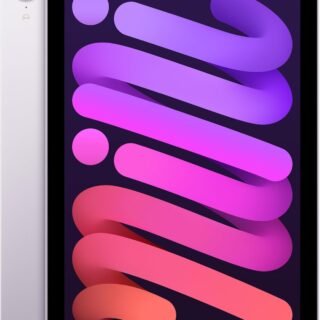 Apple iPad mini (A17 Pro): Apple Intelligence, 8.3-inch Liquid Retina Display, 256GB, Wi-Fi 6E, 12MP Front/12MP Back Camera, Touch ID, All-Day Battery Life — Purple
-
 Apple AirPods Max Wireless Over-Ear Headphones, Active Noise Cancelling, Transparency Mode, Personalized Spatial Audio, Dolby Atmos, Bluetooth Headphones for iPhone – Space Gray
-
 Apple AirPods Pro 2 Wireless Earbuds, Active Noise Cancellation, Hearing Aid Feature, Bluetooth Headphones, Transparency, Personalized Spatial Audio, High-Fidelity Sound, H2 Chip, USB-C Charging
-
Home Garage 210 TC Cotton King Floral Fitted (Elastic) Bedsheet(Pack of 1, Grey)
Original price was: ₹999.00.₹299.00Current price is: ₹299.00.
Leave a Reply